
Gallbladder • Patient Education
Can Gallstones Cause Back or Shoulder Pain? Signs to Know
Pain after a meal is often blamed on muscle strain, poor posture, or acid reflux. However, when discomfort shows up in the upper back or right shoulder, the cause may be something deeper than expected. Gallstones are commonly associated with abdominal pain, yet their symptoms do not always stay in one place. In fact, many people experience gallstone-related pain far from the stomach area, which can make the condition confusing and easy to overlook.
So, can gallstones cause back or shoulder pain? Yes, they can. This happens due to referred pain, where irritation in the gallbladder sends pain signals to nearby nerve pathways connected to the back and shoulder. Because this type of pain feels unrelated to digestion, gallbladder issues are often misdiagnosed or ignored. This blog explains how gallstones cause back or shoulder pain, highlights common symptoms to watch for, and outlines when it is important to seek medical care.
By Surgical Associates of Southern Texas · Katy and Sugar Land, TX · December 2025
On This Page
- What Are Gallstones?
- Can Gallstones Cause Back or Shoulder Pain?
- Why Gallbladder Pain Spreads to the Back or Shoulder
- Common Symptoms of Gallstone-Related Pain
- How Gallstone Pain Differs From Muscle or Nerve Pain
- When Back or Shoulder Pain May Signal a Gallbladder Problem
- Diagnosis and Treatment Options
- Final Thoughts
- Frequently asked questions
Pain after meals that keeps coming back? Get it checked.
Consult with Dr. Murtaza Shakir, board-certified general surgeon. Call now, or send us your details and our team will call you back.
What You’ll Learn
- What Are Gallstones?
- Can Gallstones Cause Back or Shoulder Pain?
- Why Gallbladder Pain Spreads to the Back or Shoulder
- Common Symptoms of Gallstone-Related Pain
- How Gallstone Pain Differs From Muscle or Nerve Pain
What Are Gallstones?
Gallstones are hardened deposits of digestive fluid that form in the gallbladder. They develop when bile contains too much cholesterol or bilirubin or when the gallbladder does not empty properly. Gallstones can range in size and number, and many people may have them without symptoms. Problems occur when gallstones block bile flow or irritate the gallbladder, leading to pain and inflammation.
Can Gallstones Cause Back or Shoulder Pain?
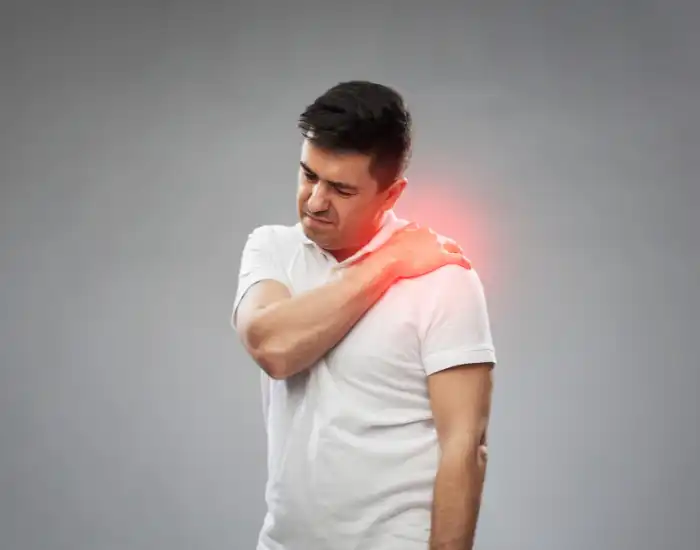
Yes, gallstones can cause pain in the back or shoulder. Although the gallbladder is located in the upper right abdomen, pain from gallstones often spreads beyond this area. Many people feel discomfort in the upper back, between the shoulder blades, or in the right shoulder. This pain usually appears during or after meals, especially after eating fatty foods. It may come on suddenly and last for several hours.
Why Gallbladder Pain Spreads to the Back or Shoulder
Gallbladder pain spreads because of how nerves transmit pain signals in the body. The gallbladder shares nerve pathways with the shoulder and upper back. When the gallbladder becomes inflamed or strained by gallstones, the brain may interpret the pain as coming from the shoulder or back instead of the abdomen. This type of pain is called referred pain and is a common feature of gallbladder problems.
Key Takeaway So Far
So far we have covered what are gallstones, can gallstones cause back or shoulder pain, why gallbladder pain spreads to the back or shoulder, and more. Next, we look at how gallstone pain differs from muscle or nerve pain, when back or shoulder pain may signal a gallbladder problem, diagnosis and treatment options, followed by answers to common questions.
How Gallstone Pain Differs From Muscle or Nerve Pain
Gallstone pain is different from muscle strain or nerve-related pain. Muscle pain often improves with rest, movement, or massage, while gallstone pain tends to remain steady and intense. Nerve pain may feel sharp or tingling, whereas gallbladder pain is usually deep and pressure-like. Another key difference is timing. Gallstone pain often starts after eating, while muscle or nerve pain is more commonly linked to physical activity or posture.
When Back or Shoulder Pain May Signal a Gallbladder Problem
Back or shoulder pain may be related to gallstones if it occurs along with digestive symptoms. Pain that appears after meals, especially fatty foods, or is accompanied by nausea or abdominal discomfort should not be ignored. Seek medical evaluation if pain is severe, lasts longer than a few hours, or occurs repeatedly. Fever, chills, or yellowing of the skin or eyes may indicate a more serious gallbladder condition.
Diagnosis and Treatment Options
To diagnose gallstones, healthcare providers commonly use imaging tests such as ultrasound or CT scans. Blood tests may also be done to check for infection or inflammation.
Treatment depends on symptoms. Silent gallstones may not need treatment, while recurring or severe symptoms often require gallbladder removal. Lifestyle changes may help reduce mild symptoms, but surgery is the most effective long-term solution for painful gallstones.
Final Thoughts
So, can gallstones cause back or shoulder pain? Yes, they can, and this symptom is more common than many people realize. Understanding how gallbladder pain presents can help you recognize warning signs early and avoid complications.
At Surgical Associates of Southern Texas, experienced specialists evaluate gallbladder symptoms carefully and guide patients toward safe and effective treatment options.
Disclaimer: This blog is for informational purposes only and does not replace professional medical advice. Always consult a qualified healthcare provider for diagnosis and treatment of gallbladder-related symptoms.
Frequently Asked Questions
Can gallstones cause pain between the shoulder blades?
Yes, gallstones often cause pain between the shoulder blades due to referred pain.
Is gallstone shoulder pain usually on the right side?
Yes, gallbladder-related shoulder pain typically affects the right shoulder.
Does gallstone pain come and go?
Yes, gallstone pain may occur in episodes, often triggered by meals.
Can gallstones cause back pain without stomach pain?
In some cases, back or shoulder pain may appear before noticeable abdominal pain.
When should gallstone-related pain be treated urgently?
Seek urgent care if pain is severe, lasts several hours, or is accompanied by fever or jaundice.
Having Recurring Gallbladder Pain?
If your symptoms are persistent, worsening, or affecting daily life, a surgical evaluation can help determine the cause and whether treatment may be appropriate. Dr. Murtaza Shakir sees patients at the Katy and Sugar Land offices.
Medical Disclaimer
This article is intended for general educational purposes only and is not a substitute for professional medical advice, diagnosis, or treatment. Symptoms can have many possible causes, and treatment decisions should be based on an individual medical evaluation. If you are experiencing severe or rapidly worsening symptoms, seek prompt medical attention. For a medical emergency, call 911 or go to the nearest emergency department.
References
- National Institute of Diabetes and Digestive and Kidney Diseases (NIDDK). Gallstones: Symptoms and Causes. niddk.nih.gov.
- Mayo Clinic. Gallstones: Symptoms and causes. mayoclinic.org.
- American College of Surgeons. Cholecystectomy: Surgical Removal of the Gallbladder (Patient Education Brochure). facs.org.
- Cleveland Clinic. Laparoscopic Cholecystectomy (Gallbladder Removal). my.clevelandclinic.org.
- Ibrahim M, Sarvepalli S, Morris-Stiff G, et al.. Gallstones: Watch and wait, or intervene?. Cleveland Clinic Journal of Medicine. 2018;85(4):323–331.

Your Surgeon
About the Physician
Murtaza Shakir, MD
Dr. Murtaza Shakir is a board-certified General Surgeon and is board certified in Complex General Surgical Oncology. He earned his medical degree at Aga Khan University, completed General Surgery residency at Riverside Methodist Hospital in Columbus, Ohio, and a two-year Surgical Oncology fellowship at the University of Pittsburgh Medical Center.
He evaluates and treats patients at Surgical Associates of Southern Texas in Katy and Sugar Land.
Board certified by the American Board of Surgery in:
- General Surgery
- Complex General Surgical Oncology
Surgical focus:
- Hernia repair: open, laparoscopic, and robotic
- Gallbladder surgery: laparoscopic and robotic
- General surgery
- Surgical oncology
Recognized by Houstonia Magazine among Houston’s top general surgeons. Learn more about gallbladder surgery.