 EN
 ES
 UR
 HI

Wounds to Wellness
Expert Wound Care in Houston
In-Clinic & Mobile Care for Chronic, Diabetic, and Surgical Wounds
A wound that is not getting smaller after a couple of weeks, a sore on the foot or leg that keeps reopening, or an incision that has become red, painful, or started to drain all need more than a fresh bandage. Most slow-healing wounds have a reason, such as diabetes, poor circulation, pressure, or infection, and healing usually depends on finding and treating that cause.
At Surgical Associates of Southern Texas, board-certified surgeon Dr. Murtaza Shakir evaluates acute, chronic, diabetic, venous, and post-surgical wounds and builds a treatment plan around your health and your wound. Care is available at our offices in Katy and Sugar Land, and through mobile wound care visits at home in parts of Greater Houston for patients who have trouble getting to an office.
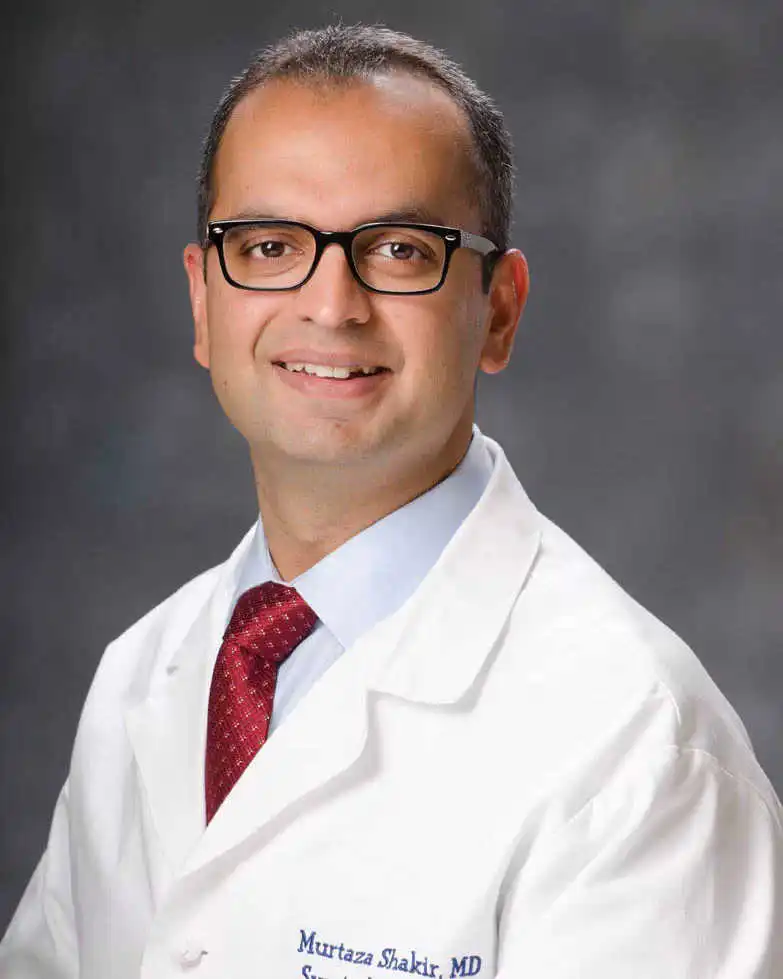
Meet the Surgeon
Dr. Murtaza Shakir, MD, general surgeon providing wound care in Katy and Sugar Land, TX
- Dual board certified in General Surgery and Complex General Surgical Oncology
- Named a Houstonia Top Doctor in General Surgery, 2026 (see listing)
- Highly reviewed: rated 4.9 stars on Google
- Specialized in chronic and post-surgical wound care, hernia repair, gallbladder surgery, and surgical oncology
Patient Reviews
What Patients Say About Dr. Shakir
Rated 4.9 stars on Google. Real experiences from patients treated in Katy and Sugar Land.
Jump to a section
- At a glance
- What is wound care?
- Types of wounds we treat
- Why some wounds don’t heal
- When to see a surgeon
- How wounds are evaluated
- Does a wound need surgery?
- Meet your surgeon
- How treatment is chosen
- In-clinic and mobile wound care
- Wound care treatments
- Surgical wound problems
- Home care and prevention
- What to expect and risks
- Patient reviews
- Why choose us
- Insurance
- Locations
- FAQs
- Schedule a consultation
At a Glance
Wound Care at a Glance
- What it is
- Medical and surgical care that helps a wound close: cleaning, removing dead tissue, the right dressings, relieving pressure, and treating whatever is slowing healing.
- Wounds treated
- Acute wounds, surgical wounds, diabetic foot ulcers, venous leg ulcers, pressure sores, and other chronic or slow-healing wounds.
- When a wound is chronic
- When it has not started to heal after about 2 weeks or has not fully healed within 4 to 6 weeks.
- Common reasons for slow healing
- Diabetes, poor blood flow, swelling from weak leg veins, infection, ongoing pressure, poor nutrition, smoking, and a weakened immune system.
- Who provides care
- Dr. Murtaza Shakir, a general surgeon board certified in General Surgery and Complex General Surgical Oncology.
- Where care happens
- In our Katy or Sugar Land office, or through mobile wound care visits at home in parts of Greater Houston when your needs call for it.
- Urgent warning signs
- Spreading redness or red streaks, fever or chills, pus or a bad smell, darkening or black tissue, or bleeding that does not stop after 10 minutes of pressure. Seek care the same day; call 911 for heavy bleeding or if you feel confused, faint, or very ill.
- Where
- Offices in Katy and Sugar Land, TX. Call 713-955-9191.
Wound Care Basics
What Is Wound Care?
Wound care is the medical and surgical treatment of breaks in the skin and the tissue beneath it, with the goal of helping the wound close, preventing infection, and avoiding long-term damage. For a small cut, that may mean nothing more than cleaning and a bandage. For a wound that will not heal, it means a careful exam, treatment of the underlying cause, and regular follow-up until the wound is closed.
An untreated or poorly treated wound can lead to serious infection and other complications. Good wound care also aims to limit scarring, so that the healed area does not affect function or appearance more than necessary.
How Wounds Normally Heal
Healthy wounds heal in overlapping stages:
- Bleeding and clotting: blood vessels narrow and a clot forms to stop bleeding.
- Inflammation: the area becomes slightly red, warm, and swollen as the body clears germs and damaged tissue.
- Rebuilding: new tissue and small blood vessels fill the wound, and the edges pull together.
- Strengthening: over months, the new tissue remodels and becomes stronger.
A wound becomes chronic when it stalls in one of these stages, often stuck in inflammation because of infection, pressure, poor blood flow, or another health problem.
Why Specialized Wound Care Matters
- Preventing infection: skin is the body’s barrier against germs. An open wound is a way in, so keeping it clean and recognizing infection early is a priority.
- Healing as quickly as possible: the right care shortens healing time and lowers the chance of long-term problems or heavy scarring.
- Treating the cause: chronic wounds rarely heal until the reason behind them, such as diabetes, poor circulation, or pressure, is addressed.
Wound Types
Types of Wounds We Treat
Understanding the type of wound you have is the first step in choosing the right treatment. Dr. Shakir evaluates and treats these common wound types.
Acute Wounds
Acute wounds are sudden injuries from accidents, surgery, or trauma, such as cuts, scrapes, and burns. With proper care, they usually heal in a predictable time. Early evaluation helps prevent infection and supports normal healing.
Surgical Wounds
Surgical wounds are the incisions made during an operation. Most heal well, but some develop infection, dehiscence (the incision opening up), or delayed healing. These problems need prompt evaluation by a surgeon.
Diabetic Foot Ulcers
Diabetes can cause nerve damage and poor blood flow, so a small blister or cut on the foot may go unnoticed and heal slowly. Diabetic foot ulcers carry a high risk of infection and, if not treated, amputation. Care includes offloading pressure, debridement, and a personalized wound plan.
Venous Leg Ulcers
Venous ulcers are open sores, usually on the lower leg above the ankle, caused by weak leg veins that let blood pool. They can become chronic and painful. Treatment focuses on improving circulation, reducing swelling, and using specialized dressings.
Pressure Sores
Pressure sores, also called bedsores or pressure ulcers, form when skin over a bony area, such as the hips, heels, or tailbone, stays under pressure for too long. They are common in people who are bedbound or use a wheelchair and need early, consistent care.
Chronic and Non-Healing Wounds
A wound is chronic when it does not move through the normal stages of healing. It may look dry, stay inflamed, or keep getting infected despite earlier treatment. Care starts by finding the root cause and then supports the wound until it closes.
Causes of Slow Healing
Why Do Some Wounds Not Heal?
Wounds usually fail to heal because something is interfering with blood flow, oxygen, nutrition, or the body’s ability to fight infection. Common causes include:
- Diabetes: high blood sugar slows healing, and nerve damage can hide injuries on the feet.
- Poor circulation: narrowed arteries limit the oxygen and nutrients that reach the wound.
- Venous insufficiency: weak leg veins cause swelling and pressure in the lower legs.
- Infection: germs in the wound enlarge it and stall healing.
- Ongoing pressure or friction: lying or sitting in one position, or poorly fitting shoes.
- Poor nutrition: the body needs enough protein, calories, and vitamins to build new tissue.
- A weakened immune system: from illness, cancer treatment, or medicines such as steroids.
- Smoking and heavy alcohol use: both reduce blood flow and raise the risk of infection.
- Something in the wound: dead tissue, debris, or a foreign object.
A specialized approach makes sure these underlying issues are found and addressed as part of the wound care plan, not just the wound itself.
Warning Signs
When Should You See a Doctor for a Wound?
See a doctor for a wound that is deep, will not close on its own, will not stop bleeding, still has dirt in it, or is not healing. Any wound in a person with diabetes or poor circulation deserves extra attention, because small problems can become serious quickly.
Schedule a Wound Care Evaluation If You Have
- A wound that has not started to heal after about 2 weeks
- A wound that has not closed after 4 to 6 weeks
- A cut, blister, or sore on the foot that does not begin healing after a few days, especially if you have diabetes
- A sore on the lower leg or ankle with swelling or skin discoloration
- A red, painful, or broken-down area over the hips, heels, tailbone, or other pressure points
- A surgical incision that is red, draining, separating, or slow to heal
- A wound that keeps coming back in the same place
Signs of Wound Infection
Call your doctor promptly if a wound shows increasing redness, warmth, swelling, or pain; yellow, green, or cloudy drainage; a bad smell; dark or black edges; or if you develop a fever of 100°F or higher. These can be signs of infection or dead tissue.
When a Wound Needs Emergency Care
Seek care right away for bleeding that does not stop after 10 minutes of firm pressure, red streaks or fast-spreading redness, fever with a red or draining wound, a black or foul-smelling wound, an incision that splits open, or a deep bite, crush or dirty-object wound. For a medical emergency, call 911 or go to the nearest emergency department.
Wound Assessment
How Is a Wound Evaluated?
Every treatment plan starts with a thorough assessment of the wound and of the health problems that may be slowing its healing. Dr. Shakir asks how and when the wound started, what treatment you have tried, and about conditions such as diabetes, vascular disease, and recent surgery.
Examining the Wound
The wound assessment includes:
- Determining the type of wound, such as surgical, traumatic, burn, pressure ulcer, or diabetic foot ulcer
- Measuring the size and depth of the wound
- Checking for signs of infection
- Evaluating the amount and type of drainage
- Assessing the surrounding skin for health and signs of further complications
Looking for the Underlying Cause
Because most chronic wounds have a cause beyond the wound itself, the evaluation may also look at blood flow to the area, blood sugar control, nutrition, pressure points, and your medicines. Depending on what is found, tests such as a wound culture, imaging, or a circulation study may be recommended.
Monitoring Over Time
Wounds are measured and checked at follow-up visits to track progress. If a wound is not improving or a complication develops, the treatment plan is adjusted. A wound that does not heal as expected may also need a biopsy, because some skin cancers can look like a sore that will not heal.
Please bring a list of your medications, any recent blood sugar readings or lab results, and notes from other doctors who have treated the wound.
When Surgery Helps
Do Wounds Ever Need Surgery?
Most wounds heal without an operation, using cleaning, the right dressings, and treatment of the underlying cause. A surgeon’s skills become important when a wound has dead or infected tissue, a pocket of pus, an incision that has opened, or a large defect that will not close on its own.
Signs a Surgical Approach May Help
- Dead, dark, or stringy tissue in the wound that needs to be removed (debridement)
- An abscess or deep infection that needs to be opened and drained
- An infected or separated surgical incision
- A wound that can be closed once it is clean and healthy
- A complex wound after abdominal surgery, abdominal wall reconstruction, or cancer surgery
- A wound that has not improved despite weeks of good wound care
Your Surgeon
Meet Your Wound Care Surgeon
Murtaza Shakir, MD
Board-Certified General Surgeon & Surgical Oncologist
Wound care at Surgical Associates of Southern Texas is led by Dr. Murtaza Shakir, who is board certified in General Surgery and Complex General Surgical Oncology.
Board certification
American Board of Surgery: General Surgery and Complex General Surgical Oncology
Medical degree
Aga Khan University
Residency
General Surgery, Riverside Methodist Hospital, Columbus, Ohio
Fellowship
Two-year Surgical Oncology fellowship, University of Pittsburgh Medical Center
Surgical practice includes
- Hernia repair
- Robotic surgery
- Laparoscopic surgery
- Complex abdominal surgery
- Gallbladder surgery
- Surgical oncology
Named a Houstonia Top Doctor in General Surgery (2026). Learn more about our general surgery services.
Treatment Planning
How Dr. Shakir Builds Your Wound Care Plan
Because every wound and every patient is different, your plan is tailored to you and adjusted as the wound changes. Dr. Shakir weighs these factors when recommending treatment.
Type and Cause of the Wound
A diabetic foot ulcer, a venous leg ulcer, a pressure sore, and an infected incision each need different care. Treating the cause is as important as treating the wound.
Size, Depth, and Drainage
Larger, deeper, or heavily draining wounds need different dressings and more frequent checks than small, shallow ones.
Infection and Dead Tissue
Signs of infection or dead tissue may call for debridement, antibiotics, or drainage before the wound can start to heal.
Blood Flow and Swelling
Poor circulation or leg swelling affects which treatments are safe, including whether compression and elevation are appropriate.
Your Overall Health
Diabetes control, nutrition, smoking, immune problems, and medicines such as blood thinners or steroids all affect healing and treatment choices.
Your Mobility and Home Situation
Whether you can travel to an office, who can help with dressing changes, and how much time you spend in bed or a wheelchair help decide between in-clinic and mobile visits.
Where You Are Seen
In-Clinic and Mobile Wound Care
Wound care is available in our offices and, for patients who have trouble getting to an appointment, through mobile wound care visits at home. Mobility can be a real challenge during wound healing, and healing should not be delayed by logistics.
In-Clinic Wound Care
- Where: our offices in Katy and Sugar Land
- Best for: patients who can travel, new wounds that need a full evaluation, and treatments that need office equipment
- What happens: wound assessment, cleaning, debridement when appropriate, dressings, and follow-up measurements
- Also: a chance to review testing and coordinate care for conditions that slow healing
Mobile Wound Care
- Where: at your home, in Katy, Sugar Land, and surrounding Greater Houston communities
- Best for: patients with limited mobility, those recovering from surgery, and people for whom travel is difficult
- What happens: care is brought to your door based on your individual needs and medical requirements
- How to start: call the office to ask whether mobile visits are right for you and available where you live
If a treatment cannot be done safely at home, it is scheduled in the office or, when needed, as a surgical procedure. Call 713-955-9191 to discuss which option fits your situation.
Treatment Details
Wound Care Treatments Explained
Wound care treatments clean the wound, remove what is blocking healing, protect new tissue, and manage pain. The methods used depend on the wound’s type, location, and severity.
Wound Cleaning
Gently cleaning and rinsing the wound removes debris, drainage, and germs. It is done at each visit and is usually part of the dressing routine at home.
Debridement
Debridement removes dead, damaged, or infected tissue that keeps a wound from healing. It can be done with surgical instruments or with other methods, such as special dressings or enzyme ointments. A wound may look larger right after debridement because the healthy base is now exposed, which is expected. Large or deep debridement may be done in an operating room with anesthesia.
Dressings
The right dressing keeps the wound moist enough to heal, absorbs drainage, and protects it from germs and injury. Options include gauze, foams, gels, and films, and advanced dressings are chosen to match the wound. Dressings are changed on a schedule that fits the wound.
Treating Infection
Infected wounds may need topical or oral antibiotics, and some need intravenous antibiotics. A deep infection or abscess may need to be opened, drained, and packed.
Offloading and Pressure Relief
Diabetic foot ulcers and pressure sores will not heal while pressure continues. Offloading uses special footwear, padding, or devices to take weight off the wound. For pressure sores, regular changes of position and pressure-relieving cushions or mattresses are essential.
Compression and Elevation
Venous leg ulcers heal best when swelling is controlled. Compression wraps or stockings and raising the legs above the heart help blood return from the legs, once your circulation has been checked and compression is safe.
Wound Closure
Once a wound is clean and healthy, it may be closed with stitches, allowed to close on its own, or, for larger wounds, covered with other techniques. Dr. Shakir explains which approach fits your wound.
Pain Management
Wound pain, especially during dressing changes and debridement, can be managed with medicine before care and with gentle techniques. Learn more about pain management.
Other Therapies for Hard-to-Heal Wounds
Some chronic wounds need additional therapies, such as negative pressure (wound VAC) dressings, skin grafts, or hyperbaric oxygen therapy. If one of these may help, Dr. Shakir will discuss it with you and help coordinate the next step.
Post-Surgical Wounds
Care for Surgical Wounds and Incision Problems
Most surgical incisions heal without problems, but infection, opening of the incision, or slow healing can occur, usually within the first few weeks. As a surgeon, Dr. Shakir offers post-surgical wound evaluation and care to treat these problems early and support recovery. See our post-operative care instructions for routine incision care.
Who Is at Higher Risk
Incision problems are more likely in people with poorly controlled diabetes, obesity, a weakened immune system, or who smoke or take steroids, and after long operations or surgery to treat an infection.
Treating an Infected or Opened Incision
Treatment depends on how deep the problem goes. It may include antibiotics, opening part of the incision to drain fluid or pus, removing dead tissue, and packing the wound with dressings that are changed regularly while it heals from the inside out. Healing can take days to months.
Complex Surgical Wounds
Wounds after major abdominal surgery, abdominal wall reconstruction, or cancer surgery can be more complex. Dr. Shakir’s training in general surgery and complex general surgical oncology helps him manage these wounds with tailored care.
Healing at Home
Caring for Your Wound at Home
What you do between visits has a large effect on healing. You will receive instructions for your specific wound; these habits help most wounds heal and lower the chance of new ones.
- Follow your dressing plan: wash your hands, change dressings as instructed, and keep the dressing and surrounding skin clean and dry.
- Control blood sugar: if you have diabetes, keeping blood sugar in your target range supports healing.
- Eat enough protein: a balanced diet with enough protein and calories gives your body the materials to rebuild tissue.
- Stop smoking: smoking reduces blood flow to the wound and raises infection risk.
- Take pressure off: change position about every 2 hours if you spend long periods in bed or a chair, and use offloading devices as directed.
- Raise swollen legs: for venous ulcers, elevate your legs above your heart when you can, wear compression as directed, and walk daily.
- Check your feet daily: with diabetes, look at your feet every day, including between the toes, and wear shoes and socks to protect them.
When to Call the Office
Call 713-955-9191 if your wound gets larger, more painful, red, swollen, or warm; drains more or changes color; smells bad; or if your dressing becomes soaked or falls off. Call 911 or go to the nearest emergency department for heavy bleeding, red streaks spreading from the wound, or fever with confusion or feeling very ill.
During Treatment
What to Expect During Wound Treatment
Chronic wounds heal over weeks to months, not days, and many patients are seen about once a week at first. Progress is tracked by measuring the wound at each visit, and the plan changes if healing stalls.
- Healing time: depends on the wound’s size and cause and on how well the underlying problem is controlled. Some wounds take months, and a few never fully close.
- Dressing changes: may be done at visits, at home by you or a caregiver, or during mobile visits.
- Activity: you may be asked to limit walking on a foot ulcer, keep weight off a pressure sore, or keep legs raised.
- Preventing recurrence: once healed, the same habits that helped the wound close help keep it from coming back.
Possible Risks and Complications
Wound treatments are generally safe, but they carry some risk. Dr. Shakir reviews the risks that apply to you before any procedure.
- Pain or discomfort during cleaning, dressing changes, or debridement
- Bleeding after debridement, especially in people taking blood thinners
- Infection, including infection that spreads to deeper tissue or bone
- Skin irritation from dressings, tape, or compression
- Slow healing or wounds that reopen
- Reactions to anesthesia, if a procedure needs it
- For diabetic foot wounds that do not respond to treatment, a risk of amputation, which is why early care matters
Why Choose Us
Why Choose Surgical Associates of Southern Texas for Wound Care?
Dr. Murtaza Shakir is board certified in General Surgery and Complex General Surgical Oncology and treats slow-healing and surgical wounds in the clinic and through mobile visits.
- Debridement, drainage and wound closure by a surgeon
- Plans that address the root cause, not just dressings
- Experience with complex wounds after abdominal or cancer surgery
- Mobile wound care visits in parts of Greater Houston
- Consultations in Katy and Sugar Land
Insurance Coverage
Insurance for Wound Care
Surgical Associates of Southern Texas accepts many major insurance plans for wound evaluation, wound care visits, and wound procedures, including participating Aetna, Cigna, UnitedHealthcare, and Blue Cross Blue Shield plans. Our office can confirm whether your specific plan participates and whether a referral or prior authorization is needed before your visit.
Coverage, network participation, authorization requirements, and your share of the cost vary by plan. You can also review the insurance accepted for surgical care at our practice.
Aetna, Cigna, UnitedHealthcare, and Blue Cross Blue Shield are only some of the plans we accept. Plan-specific details are on our Aetna, Cigna, UnitedHealthcare, and Blue Cross Blue Shield pages. If your plan is not listed, contact our office and our team will help verify it.
Insurance participation and benefits vary by individual plan. Verification does not guarantee coverage, authorization or payment. Please contact our office and your insurer to verify benefits before treatment.
Our Locations
Two Convenient Fort Bend County Offices
Learn more about our Katy and Sugar Land practices, or view all locations.
Katy Office
410 W Grand Pkwy S, Suite 4D
Katy, TX 77494
Serves: Katy, Fulshear, Richmond, Cinco Ranch and West Houston
Sugar Land Office
17510 W Grand Pkwy S, Suite 320
Sugar Land, TX 77479
Serves: Sugar Land, Richmond, Stafford, Missouri City, Fort Bend County and Southwest Houston
Approximate Drive Times
From West Houston (Energy Corridor): about 15 minutes to Katy, or 25 to 30 minutes to Sugar Land.
From North Houston: about 40 to 50 minutes to either office, depending on traffic.
Common Questions
Frequently Asked Questions About Wound Care
What kind of doctor treats a wound that won't heal?
Chronic wounds are treated by wound care providers, who may include general surgeons, vascular surgeons, podiatrists, and specially trained nurses. A general surgeon such as Dr. Shakir can evaluate the cause and perform procedures like debridement, drainage, or wound closure when needed.
When is a wound considered chronic?
A wound is usually considered chronic or non-healing when it has not started to heal after about 2 weeks or has not fully healed within 4 to 6 weeks. These wounds should be evaluated to find out what is slowing healing.
How do I know if my wound is infected?
Signs of infection include increasing redness, warmth, swelling, or pain; yellow, green, or cloudy drainage; a bad smell; and fever. Spreading redness, red streaks, or fever with feeling very ill need same-day or emergency care.
Do you offer wound care at home?
Yes. In addition to in-clinic care, we offer mobile wound care visits at home in parts of Greater Houston for patients who have trouble getting to an office. Call 713-955-9191 to ask whether mobile care is right for you.
What is wound debridement, and does it hurt?
Debridement removes dead or infected tissue so a wound can heal. Numbing medicine or pain medicine is used as needed, and larger debridements may be done with anesthesia. The wound may look bigger afterward, which is expected.
How long does it take for a chronic wound to heal?
Chronic wounds often take weeks to months to heal, depending on their size, cause, and how well the underlying problem is controlled. Some wounds never fully close, so the goal may be to keep them clean, comfortable, and free of infection.
Why is my diabetic foot ulcer not healing?
Diabetic foot ulcers heal slowly because of high blood sugar, poor blood flow, and continued pressure on the foot from walking. Healing usually requires offloading, removing dead tissue, controlling infection and blood sugar, and regular wound checks.
My surgical incision has opened. What should I do?
Cover it with a clean dressing and call your surgeon right away. If the opening is large, something is bulging through it, or you have heavy bleeding or fever, call 911 or go to the nearest emergency department.
Should I keep a wound covered or let it air out?
Most wounds heal better when kept clean and covered with a dressing that keeps them slightly moist. Follow the instructions you are given for your wound, as some dressings are left in place for several days.
Does insurance cover wound care?
Many insurance plans cover medically necessary wound care, but coverage varies by plan and by type of visit. Review our insurance information or call 713-955-9191 to check your coverage.
Sources and references
- Wound Care Centers, MedlinePlus Medical Encyclopedia, U.S. National Library of Medicine
- How Wounds Heal, MedlinePlus Medical Encyclopedia, U.S. National Library of Medicine
- Surgical Wound Infection – Treatment, MedlinePlus Medical Encyclopedia, U.S. National Library of Medicine
- Venous Ulcers – Self-Care, MedlinePlus Medical Encyclopedia, U.S. National Library of Medicine
- Diabetes & Foot Problems, National Institute of Diabetes and Digestive and Kidney Diseases (NIDDK)
Reviewed by the Review Team at Surgical Associates of Southern Texas.
Medical Disclaimer: This page provides general information and is not a substitute for medical advice. For heavy bleeding, a rapidly spreading wound infection, fever with a wound, or other emergencies, call 911 or go to the nearest emergency room. Last updated October 16, 2026.
Schedule a Wound Care Consultation
Have a wound that is not healing, a diabetic foot or leg ulcer, a pressure sore, or an incision that is red, draining or opening? Schedule a consultation with Dr. Murtaza Shakir at our Katy or Sugar Land office, or ask about mobile wound care at home in parts of Greater Houston.

Contact us now