Pain in the upper abdomen after eating is a symptom that many people search online hoping for reassurance. Some assume it is simple indigestion, gas, or acidity. However, when pain appears repeatedly after meals, worsens with certain foods, or interferes with daily life, it often signals an underlying digestive or gallbladder-related condition. Understanding pain after eating upper abdomen helps distinguish between harmless discomfort and symptoms that require medical evaluation.
Table of Contents
-
Pain After Eating Upper Abdomen Explained
-
Why Upper Abdominal Pain Starts After Meals
-
Why Pain Is Worse After Fatty Foods
-
Why Upper Abdominal Pain Comes and Goes
-
Common Causes of Upper Abdominal Pain After Eating
-
Warning Signs That Should Not Be Ignored
-
When a Specialist Should Be Seen
-
When Surgery May Be Required
-
Expert Surgical Care in Katy and Sugar Land
-
Medical Disclaimer
1. Pain After Eating Upper Abdomen Explained
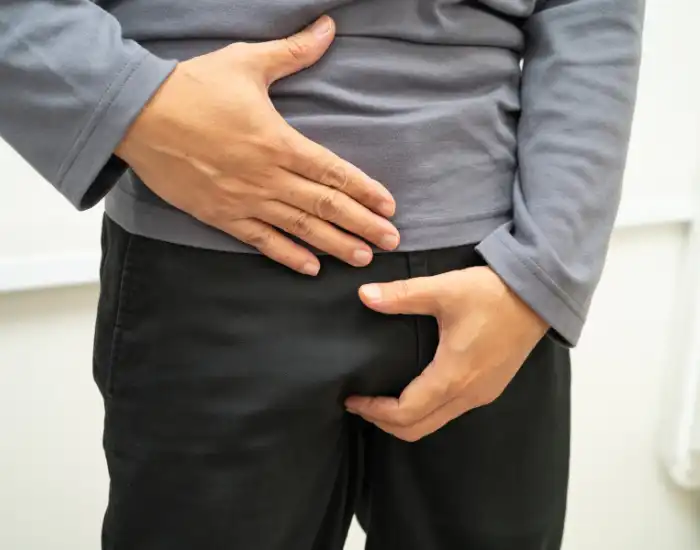
Many patients describe pain after eating upper abdomen as pressure, burning, fullness, or sharp discomfort that develops within one to two hours after a meal. This region contains the stomach, gallbladder, liver, pancreas, and upper intestines, all of which play key roles in digestion.
Clinically, pain after eating upper abdomen is commonly associated with gallbladder dysfunction, gastritis, acid reflux, or bile flow problems. When the pain is recurrent and follows a predictable pattern after meals, it becomes an important symptom rather than a minor digestive issue. Repeated episodes of pain after eating upper abdomen should always be evaluated, especially if symptoms worsen over time.
2. Why Upper Abdominal Pain Starts After Meals
People often ask why pain begins shortly after eating. The digestive system becomes active once food enters the stomach, triggering acid production and bile release. When bile flow is restricted or the gallbladder is inflamed, digestion becomes painful. This explains why pain after eating upper abdomen frequently starts after meals rather than on an empty stomach. Patients may also notice nausea, bloating, or discomfort that lasts for several hours.
If upper abdominal pain consistently follows meals, it is rarely random and usually indicates an underlying digestive issue.
3. Why Pain Is Worse After Fatty Foods
A very important clue is why pain worsens after fatty or greasy meals. Fat digestion requires a significant amount of bile, which is released by the gallbladder.
When gallstones or inflammation interfere with bile release, eating fatty foods increases pressure inside the gallbladder. This is why pain after eating upper abdomen is often more intense after fried foods, fast food, or heavy meals. Patients frequently report sharper pain, nausea, or discomfort that does not improve with antacids.
4. Why Upper Abdominal Pain Comes and Goes
One reason many people delay medical care is because symptoms are not constant. They wonder why pain disappears and then returns days or weeks later.
The reason pain after eating upper abdomen comes and goes is often related to temporary bile duct blockage or fluctuating inflammation. Gallstones may move, allowing temporary relief, only for symptoms to return later. This pattern does not mean the condition is resolving and often signals progression.
5. Common Causes of Upper Abdominal Pain After Eating
Several conditions can cause pain after meals, including:
-
Gallstones or gallbladder inflammation
-
Acid reflux or gastritis
-
Peptic ulcer disease
-
Pancreatic irritation
-
Functional digestive disorders
Among these, gallbladder disease is one of the most commonly missed causes of pain after eating upper abdomen, especially when pain is right-sided or triggered by fatty foods.
6. Warning Signs That Should Not Be Ignored
Upper abdominal pain should be taken seriously if it is accompanied by:
-
Pain lasting longer than two hours
-
Recurrent pain after most meals
-
Nausea or vomiting
-
Pain radiating to the back or right shoulder
-
Fever or chills
-
Yellowing of the eyes or skin
These symptoms suggest complications that require prompt medical attention.
7. When a Specialist Should Be Seen
You should consult a specialist if:
-
Pain repeatedly follows meals
-
Dietary changes do not relieve symptoms
-
Pain affects sleep or daily activities
-
Imaging shows gallstones or inflammation
A gastroenterologist may evaluate digestive causes initially, but confirmed gallbladder disease usually requires assessment by a general surgeon.
8. When Surgery May Be Required
Surgery is commonly recommended when pain after eating upper abdomen is caused by:
-
Symptomatic gallstones
-
Chronic or acute cholecystitis
-
Bile duct obstruction
-
Gallstone-related pancreatitis
-
Recurrent attacks affecting quality of life
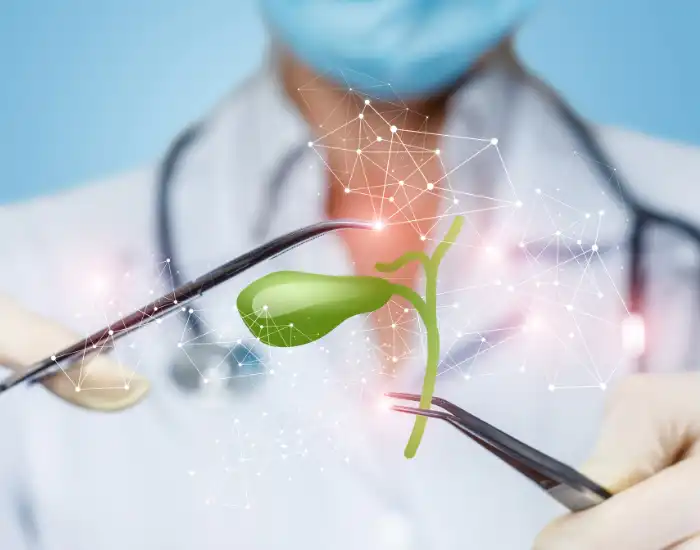
Gallbladder removal is a definitive and effective treatment in these cases and often leads to significant symptom relief.
9. Expert Surgical Care in Katy and Sugar Land
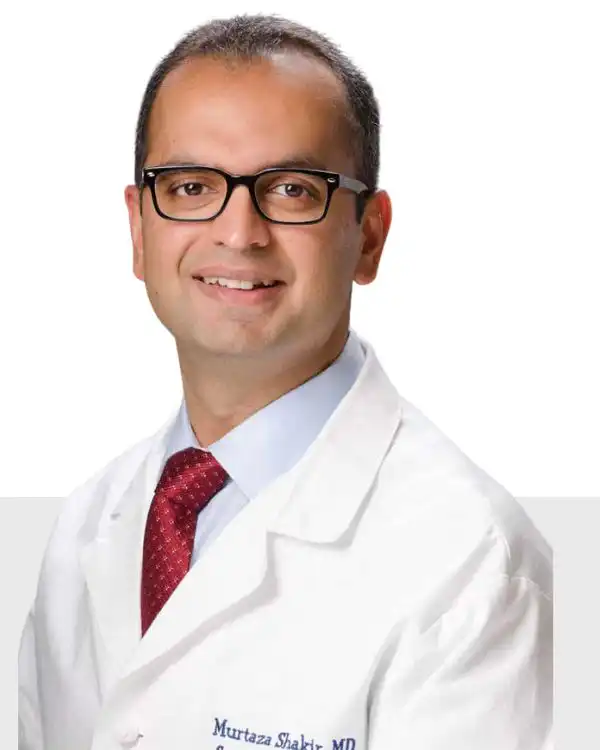
At Surgical Associates of Southern Texas, patients receive comprehensive care for gallbladder and digestive conditions across Katy, Sugar Land, and Greater Houston. Care is led by Dr. Murtaza Shakir, a board-certified General Surgeon and Surgical Oncologist with extensive experience in minimally invasive gallbladder surgery. His approach emphasizes accurate diagnosis, patient education, and safe surgical outcomes.
10. Medical Disclaimer
This content is for educational purposes only and does not replace professional medical advice, diagnosis, or treatment. Upper abdominal pain may be caused by multiple conditions. Always consult a qualified healthcare provider for personalized evaluation. Seek immediate medical attention for severe pain, fever, jaundice, or persistent vomiting.