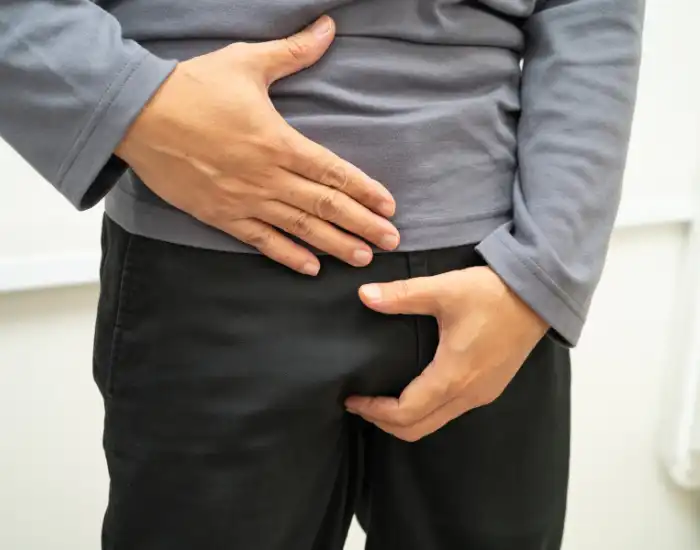
Many patients feel relieved after gallbladder surgery, believing the digestive problems that led to surgery are finally behind them. Months or even years later, unexpected symptoms may appear. A person who once felt normal after surgery may suddenly notice abdominal discomfort, digestive upset, or unexplained changes in bowel habits. When these symptoms occur long after surgery, confusion often follows. Some people wonder if the symptoms are unrelated. Others question whether to visit a primary care doctor or seek help from a specialist.
This situation raises an important concern: can problems after gallbladder removal years later actually happen? The short answer is yes. While gallbladder removal, medically known as cholecystectomy, is one of the most common and successful surgical procedures, a small number of patients experience digestive or abdominal symptoms long after the surgery.
Understanding problems after gallbladder removal years later can help patients recognize when symptoms are normal adjustments and when medical evaluation is appropriate. Clear information can also help patients decide whether a primary care physician, gastroenterologist, or general surgeon is the right professional to consult.
Understanding the Gallbladder and Why It Is Removed
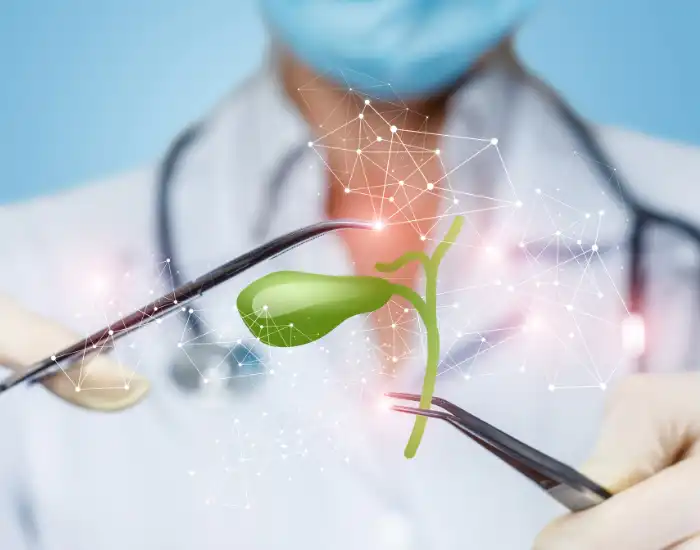
The gallbladder is a small organ located beneath the liver. Its main function is to store bile, a digestive fluid produced by the liver. Bile helps break down dietary fats during digestion.
During meals, the gallbladder releases bile into the small intestine through the bile ducts. When the gallbladder is removed, bile flows directly from the liver into the small intestine rather than being stored.
Gallbladder removal is commonly recommended for conditions such as:
- Gallstones causing pain or blockage
- Inflammation of the gallbladder (cholecystitis)
- Gallbladder infection
- Bile duct obstruction
- Gallstone-related pancreatitis
Most patients recover well after surgery and return to normal life without major dietary restrictions. However, digestive changes can sometimes develop over time, which leads to concerns about problems after gallbladder removal years later.
Can Problems After Gallbladder Removal Years Later Occur?
Yes, although gallbladder surgery is generally safe and effective, problems after gallbladder removal years later can occasionally develop. These issues may appear months or even many years after surgery.
In some cases, symptoms result from the body adjusting to the new way bile flows into the digestive system. In other cases, unrelated digestive disorders may appear and are mistakenly attributed to the surgery.
Possible reasons for problems after gallbladder removal years later include:
- Changes in bile flow and digestion
- Bile duct complications
- Retained gallstones in the bile ducts
- Digestive disorders unrelated to surgery
- Scar tissue or narrowing of bile ducts
- Functional gastrointestinal disorders
A careful evaluation by a qualified medical professional can determine the cause of symptoms.
Common Symptoms Linked to Problems After Gallbladder Removal Years Later
The symptoms associated with problems after gallbladder removal years later vary widely. Some patients experience mild digestive discomfort, while others may develop symptoms that require medical attention.
Common symptoms may include:
- Persistent abdominal pain, especially in the upper right abdomen
- Bloating after meals
- Chronic diarrhea
- Nausea or occasional vomiting
- Indigestion or heartburn
- Fatty food intolerance
- Unexplained weight changes
- Yellowing of the skin or eyes in rare cases
When symptoms persist or worsen, a medical evaluation becomes important. Searching for a general surgeon near me or discussing symptoms with a primary care physician can help determine the next step.
Postcholecystectomy Syndrome and Problems After Gallbladder Removal Years Later
One medical condition sometimes linked to problems after gallbladder removal years later is called postcholecystectomy syndrome.
This condition describes ongoing or new digestive symptoms after gallbladder surgery. Symptoms may occur shortly after surgery or appear years later.
Possible causes of postcholecystectomy syndrome include:
- Bile duct stones that remained after surgery
- Bile duct injury or narrowing
- Sphincter of Oddi dysfunction, which affects bile flow
- Peptic ulcer disease
- Pancreatic disorders
- Acid reflux or gastritis
Because many different conditions can cause similar symptoms, proper diagnosis is essential.
Digestive Changes That May Appear Years After Surgery
The digestive system adapts after gallbladder removal, but in some individuals this adjustment can lead to noticeable symptoms over time.
Possible digestive changes linked to problems after gallbladder removal years later include:
Bile Acid Diarrhea
Without the gallbladder, bile continuously enters the intestines. Excess bile acids may irritate the colon, leading to chronic diarrhea.
Symptoms may include:
- Frequent loose stools
- Urgent bowel movements after eating
- Abdominal cramping
Medications that bind bile acids can often help manage these symptoms.
Fat Digestion Difficulties
Some patients notice difficulty digesting fatty foods years after surgery. Symptoms may include:
- Bloating
- Greasy stools
- Gas or discomfort after meals
Dietary adjustments and digestive support strategies may reduce these symptoms.
Small Intestinal Bacterial Overgrowth (SIBO)
Changes in bile flow may affect gut bacteria in certain individuals. This can sometimes lead to:
- Bloating
- Gas
- Nutrient absorption issues
A medical evaluation helps determine whether this condition contributes to problems after gallbladder removal years later.
Bile Duct Complications That May Appear Years Later
Although uncommon, structural issues in the bile ducts can lead to problems after gallbladder removal years later.
Possible complications include:
- Narrowing of the bile ducts due to scar tissue
- Retained stones that migrated into bile ducts
- Blockage affecting bile flow
Symptoms associated with bile duct complications may include:
- Upper abdominal pain
- Fever or chills
- Jaundice
- Dark urine or pale stools
These symptoms require prompt medical attention. A search for a surgical specialist near me may help patients find appropriate care.
Conditions That Mimic Problems After Gallbladder Removal Years Later
Not every digestive symptom after gallbladder surgery is related to the procedure itself. Several other conditions can cause similar symptoms.
These include:
- Gastroesophageal reflux disease (GERD)
- Irritable bowel syndrome (IBS)
- Peptic ulcer disease
- Pancreatitis
- Liver disease
- Functional digestive disorders
Because these conditions may appear years after surgery, they can be mistaken for problems after gallbladder removal years later. A medical evaluation helps identify the true cause.
When Medical Evaluation Is Important
Mild digestive changes may occur after gallbladder surgery, but certain symptoms should not be ignored.
Medical evaluation is recommended if any of the following occur:
- Persistent abdominal pain lasting several days
- Repeated vomiting or nausea
- Chronic diarrhea affecting daily life
- Fever or chills with abdominal pain
- Yellowing of the skin or eyes
- Sudden unexplained weight loss
Searching for a general surgeon near me or discussing symptoms with a primary care physician can help determine whether specialized care is needed.
How Problems After Gallbladder Removal Years Later Are Diagnosed
Doctors typically begin by reviewing the patient’s medical history, surgical history, and current symptoms.
Diagnostic testing may include:
- Blood tests to evaluate liver and pancreas function
- Abdominal ultrasound to examine bile ducts
- CT scan or MRI imaging
- Endoscopic procedures such as ERCP to evaluate bile ducts
- Stool tests for digestive disorders
These tests help identify the underlying cause of problems after gallbladder removal years later and guide appropriate treatment.
Treatment Approaches for Problems After Gallbladder Removal Years Later
Treatment varies depending on the cause of symptoms.
Possible management options include:
Medication
Doctors may prescribe medications to address specific digestive issues, such as:
- Bile acid binders for diarrhea
- Acid reducers for reflux symptoms
- Antispasmodic medications for abdominal discomfort
Dietary Adjustments
Many patients benefit from simple dietary modifications, such as:
- Eating smaller meals
- Limiting high-fat foods
- Increasing fiber intake gradually
- Avoiding foods that trigger symptoms
Endoscopic Treatment
If bile duct stones or narrowing are discovered, minimally invasive endoscopic procedures may be used to correct the issue.
Surgical Evaluation
In rare cases, surgical intervention may be necessary. Patients experiencing persistent problems after gallbladder removal years later may benefit from consultation with an experienced surgical specialist.
Who Is Best Qualified to Evaluate Problems After Gallbladder Removal Years Later
Several healthcare professionals may play a role in evaluating symptoms.
Primary Care Physician
A primary care doctor can:
- Evaluate general symptoms
- Order initial testing
- Determine whether specialist referral is needed
Gastroenterologist
A digestive specialist may evaluate:
- Chronic digestive symptoms
- Bile acid diarrhea
- Functional gastrointestinal disorders
General Surgeon
A general surgeon is often the most appropriate specialist when structural issues related to surgery are suspected.
Patients searching online for a general surgeon near me may find experienced surgical specialists who regularly manage complications related to abdominal procedures.
Preventing Digestive Problems After Gallbladder Surgery
While not all complications can be prevented, several habits may help support digestive health after gallbladder removal.
Helpful strategies include:
- Maintaining a balanced diet with moderate fat intake
- Eating regular meals rather than large heavy meals
- Staying physically active
- Drinking adequate water
- Managing stress, which can influence digestion
These lifestyle choices may reduce the likelihood of experiencing problems after gallbladder removal years later.
When Symptoms Should Not Be Ignored
Occasional digestive discomfort can happen for many reasons. However, persistent or worsening symptoms deserve attention.
Seek medical evaluation if symptoms:
- Continue for several weeks
- Interfere with daily activities
- Include fever, jaundice, or severe pain
Early diagnosis often leads to more effective treatment and better outcomes.
Conclusion
Gallbladder removal is a common procedure that helps many patients find relief from painful gallbladder disease. Most individuals recover fully and live without significant dietary limitations.
However, problems after gallbladder removal years later can occasionally develop. Digestive changes, bile duct complications, or unrelated gastrointestinal conditions may cause symptoms long after surgery.
Understanding these possibilities allows patients to recognize when symptoms deserve medical attention. Persistent abdominal discomfort, chronic diarrhea, or unexplained digestive issues should prompt evaluation by a qualified healthcare professional.
A primary care physician can often guide the initial assessment, while gastroenterologists and general surgeons may provide specialized evaluation when needed. Searching for a general surgeon near me can help connect patients with experienced specialists who understand the long-term effects of gallbladder surgery.
Timely medical evaluation ensures that symptoms are properly diagnosed and managed, helping patients maintain long-term digestive health and peace of mind.