
Gallbladder • Patient Education
Post Cholecystectomy Syndrome: Why Symptoms Can Continue After Gallbladder Removal
Gallbladder surgery is often performed to relieve severe abdominal pain, gallstones, or repeated digestive attacks. Many patients expect immediate relief after the procedure and look forward to returning to normal life without digestive discomfort. However, some individuals notice that symptoms continue even after surgery. Others may develop new digestive problems months or even years later.
This situation can be confusing and frustrating. Patients sometimes wonder if the surgery failed, if something was missed during the procedure, or if a completely different medical condition is developing. A common question that arises is whether ongoing symptoms are normal or if a doctor should be consulted.
One possible explanation is a condition known as post cholecystectomy syndrome. Although gallbladder removal successfully resolves symptoms for most patients, post cholecystectomy syndrome can occur in a small percentage of individuals who continue to experience abdominal or digestive symptoms after surgery.
By Surgical Associates of Southern Texas · Katy and Sugar Land, TX · March 2026
On This Page
- What Is Post Cholecystectomy Syndrome?
- How the Digestive System Changes After Gallbladder Removal
- Symptoms of Post Cholecystectomy Syndrome
- Causes of Post Cholecystectomy Syndrome
- When Post Cholecystectomy Syndrome Requires Medical Attention
- How Post Cholecystectomy Syndrome Is Diagnosed
- Treatment Options for Post Cholecystectomy Syndrome
- Who Treats Post Cholecystectomy Syndrome?
- Preventing Digestive Problems After Gallbladder Surgery
- Living Well After Gallbladder Removal
- Conclusion

Pain after meals that keeps coming back? Get it checked.
Consult with Dr. Murtaza Shakir, board-certified general surgeon. Call now, or send us your details and our team will call you back.
What You’ll Learn
- What Is Post Cholecystectomy Syndrome?
- How the Digestive System Changes After Gallbladder Removal
- Symptoms of Post Cholecystectomy Syndrome
- Causes of Post Cholecystectomy Syndrome
- When Post Cholecystectomy Syndrome Requires Medical Attention
Understanding post cholecystectomy syndrome can help patients recognize when symptoms are part of normal digestive adjustment and when medical evaluation is appropriate.
What Is Post Cholecystectomy Syndrome?
Post cholecystectomy syndrome refers to a group of digestive symptoms that occur after gallbladder removal surgery. These symptoms may appear soon after surgery or develop months or years later.
The condition does not always indicate a surgical complication. In many cases, symptoms occur because the digestive system is adapting to the absence of the gallbladder. In other cases, another underlying condition may be responsible.
Symptoms associated with post cholecystectomy syndrome often resemble the problems that originally led to gallbladder surgery. Because of this, patients may worry that gallstones or gallbladder disease have returned, even though the gallbladder has already been removed.
A careful medical evaluation can help determine the exact cause of symptoms.
How the Digestive System Changes After Gallbladder Removal
The gallbladder plays an important role in storing bile produced by the liver. Bile is a digestive fluid that helps break down dietary fats.
Normally, the gallbladder releases bile into the small intestine during meals. After gallbladder removal, bile flows directly from the liver into the small intestine through the bile ducts.
For most people, this change does not cause major problems. However, in some individuals, the altered flow of bile can contribute to symptoms linked to post cholecystectomy syndrome.
These digestive changes may include:
-
Continuous bile flow into the intestines
-
Changes in fat digestion
-
Irritation of the intestinal lining
-
Alterations in gut bacteria
These adjustments may explain why post cholecystectomy syndrome develops in certain patients.
Symptoms of Post Cholecystectomy Syndrome
The symptoms of post cholecystectomy syndrome can vary widely from person to person. Some individuals experience mild digestive discomfort, while others may develop symptoms that interfere with daily life.
Common symptoms include:
-
Persistent abdominal pain in the upper abdomen
-
Bloating after meals
-
Nausea or occasional vomiting
-
Chronic diarrhea
-
Gas and indigestion
-
Fatty food intolerance
-
Heartburn or acid reflux
-
Feeling overly full after small meals
Some symptoms appear soon after surgery, while others may develop much later.
Because these symptoms overlap with many other digestive conditions, diagnosing post cholecystectomy syndrome requires a careful medical evaluation.
Causes of Post Cholecystectomy Syndrome
There are several possible reasons why post cholecystectomy syndrome may occur. Some causes are related to the surgery itself, while others involve unrelated digestive disorders.
Possible causes include:
Retained Gallstones
Occasionally, gallstones remain in the bile ducts after gallbladder removal. These stones can block bile flow and cause symptoms similar to gallbladder attacks.
Bile Duct Injury or Narrowing
Scar tissue or injury to the bile ducts may affect bile flow and contribute to symptoms.
Sphincter of Oddi Dysfunction
The sphincter of Oddi is a small muscle that regulates bile flow into the small intestine. If this muscle does not function properly, bile may not flow normally, leading to pain and digestive symptoms.
Bile Acid Diarrhea
Excess bile entering the colon may irritate the intestinal lining and cause chronic diarrhea.
Digestive Disorders
Conditions such as acid reflux, irritable bowel syndrome, or peptic ulcer disease may also cause symptoms mistaken for post cholecystectomy syndrome.
A proper diagnosis is important because treatment depends on identifying the underlying cause.
When Post Cholecystectomy Syndrome Requires Medical Attention
Mild digestive symptoms can sometimes occur during the body’s adjustment after surgery. However, certain symptoms should not be ignored.
Medical evaluation may be necessary if symptoms include:
-
Persistent or worsening abdominal pain
-
Fever or chills
-
Yellowing of the skin or eyes
-
Severe nausea or vomiting
-
Unexplained weight loss
-
Chronic diarrhea lasting several weeks
Patients experiencing these symptoms may consider searching for a general surgeon near me or consulting a physician to determine the cause.
Early evaluation can help prevent complications and identify treatable conditions associated with post cholecystectomy syndrome.
How Post Cholecystectomy Syndrome Is Diagnosed
Diagnosing post cholecystectomy syndrome begins with a detailed review of the patient’s medical history and symptoms.
Doctors may recommend several tests to identify the cause of ongoing symptoms.
Common diagnostic tests include:
-
Blood tests to check liver and pancreatic function
-
Abdominal ultrasound to examine bile ducts
-
CT scan or MRI imaging
-
Endoscopic procedures to evaluate bile flow
-
Stool tests for digestive disorders
These tests help determine whether symptoms are related to bile duct problems, digestive disorders, or other conditions.
A clear diagnosis allows doctors to recommend the most appropriate treatment plan for post cholecystectomy syndrome.
Key Takeaway So Far
So far we have covered what is post cholecystectomy syndrome, how the digestive system changes after gallbladder removal, symptoms of post cholecystectomy syndrome, and more. Next, we look at treatment options for post cholecystectomy syndrome, who treats post cholecystectomy syndrome, preventing digestive problems after gallbladder surgery.
Treatment Options for Post Cholecystectomy Syndrome
Treatment depends on the underlying cause of symptoms. Many cases of post cholecystectomy syndrome can be managed effectively with non-surgical treatments.
Medication
Doctors may prescribe medications to address specific symptoms, such as:
-
Bile acid binding medications for diarrhea
-
Acid-reducing medications for reflux symptoms
-
Antispasmodic medications for abdominal discomfort
Dietary Adjustments
Some patients benefit from dietary changes that support digestion after gallbladder removal.
Helpful adjustments may include:
-
Eating smaller, more frequent meals
-
Limiting high-fat foods
-
Increasing fiber gradually
-
Avoiding foods that trigger symptoms
Endoscopic Treatment
If bile duct stones or narrowing are discovered, doctors may perform minimally invasive endoscopic procedures to correct the issue.
Surgical Evaluation
In rare cases, surgical treatment may be necessary when structural problems are identified. Patients may search for a surgical specialist near me to obtain expert evaluation.
Who Treats Post Cholecystectomy Syndrome?
Several healthcare professionals may be involved in evaluating and treating post cholecystectomy syndrome.
Primary Care Physician
A primary care doctor may evaluate symptoms initially and recommend further testing or specialist referral.
Gastroenterologist
Digestive specialists often evaluate conditions affecting bile flow and gastrointestinal function.
General Surgeon
A general surgeon may evaluate symptoms related to the original gallbladder surgery or possible structural issues.
Patients searching online for a general surgeon near me may find experienced specialists who regularly manage complications and long-term digestive symptoms after abdominal surgery.
Preventing Digestive Problems After Gallbladder Surgery
Although not all cases of post cholecystectomy syndrome can be prevented, certain lifestyle habits may support digestive health.
Helpful strategies include:
-
Maintaining a balanced diet
-
Avoiding large, high-fat meals
-
Staying physically active
-
Drinking adequate fluids
-
Managing stress levels
These habits may support the digestive system and reduce the likelihood of ongoing symptoms.
Living Well After Gallbladder Removal
Most patients recover from gallbladder surgery and live normal, healthy lives without major digestive problems. When symptoms occur, identifying the cause often leads to effective treatment.
Understanding post cholecystectomy syndrome helps patients recognize that persistent symptoms are not unusual and can often be addressed with proper medical care.
Seeking timely evaluation can provide reassurance and help restore digestive comfort.
Conclusion
Gallbladder removal surgery is generally successful and provides lasting relief for many patients. However, a small number of individuals may experience ongoing digestive symptoms after the procedure.
Post cholecystectomy syndrome describes these symptoms and includes several possible causes, ranging from bile duct issues to unrelated digestive disorders.
Recognizing the symptoms and seeking appropriate medical evaluation allows patients to receive accurate diagnosis and treatment. In many cases, medications, dietary adjustments, or minimally invasive procedures can successfully manage the condition.
Patients experiencing persistent symptoms may benefit from consulting a qualified physician or searching for a general surgeon near me for further evaluation.
With proper care, most individuals can achieve long-term digestive comfort after gallbladder surgery.
Medical Disclaimer: This content is provided for educational purposes only and does not replace professional medical advice, diagnosis, or treatment. Individuals experiencing symptoms related to post cholecystectomy syndrome should consult a qualified healthcare professional for personalized evaluation and medical guidance.
Having Recurring Gallbladder Pain?
If your symptoms are persistent, worsening, or affecting daily life, a surgical evaluation can help determine the cause and whether treatment may be appropriate. Dr. Murtaza Shakir sees patients at the Katy and Sugar Land offices.
Medical Disclaimer
This article is intended for general educational purposes only and is not a substitute for professional medical advice, diagnosis, or treatment. Symptoms can have many possible causes, and treatment decisions should be based on an individual medical evaluation. If you are experiencing severe or rapidly worsening symptoms, seek prompt medical attention. For a medical emergency, call 911 or go to the nearest emergency department.
References
- National Institute of Diabetes and Digestive and Kidney Diseases (NIDDK). Gallstones: Symptoms and Causes. niddk.nih.gov.
- Mayo Clinic. Gallstones: Symptoms and causes. mayoclinic.org.
- American College of Surgeons. Cholecystectomy: Surgical Removal of the Gallbladder (Patient Education Brochure). facs.org.
- Cleveland Clinic. Laparoscopic Cholecystectomy (Gallbladder Removal). my.clevelandclinic.org.
- Ibrahim M, Sarvepalli S, Morris-Stiff G, et al.. Gallstones: Watch and wait, or intervene?. Cleveland Clinic Journal of Medicine. 2018;85(4):323–331.
Your Surgeon
About the Physician
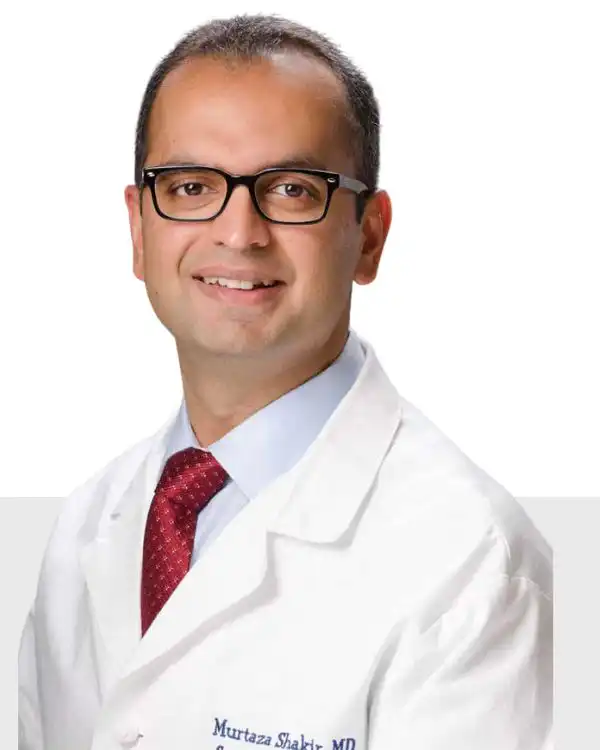
Murtaza Shakir, MD
Dr. Murtaza Shakir is a board-certified General Surgeon and is board certified in Complex General Surgical Oncology. He earned his medical degree at Aga Khan University, completed General Surgery residency at Riverside Methodist Hospital in Columbus, Ohio, and a two-year Surgical Oncology fellowship at the University of Pittsburgh Medical Center.
He evaluates and treats patients at Surgical Associates of Southern Texas in Katy and Sugar Land.
Board certified by the American Board of Surgery in:
- General Surgery
- Complex General Surgical Oncology
Surgical focus:
- Hernia repair: open, laparoscopic, and robotic
- Gallbladder surgery: laparoscopic and robotic
- General surgery
- Surgical oncology
Recognized by Houstonia Magazine among Houston’s top general surgeons. Learn more about gallbladder surgery.