
Gallbladder • Patient Education
Post Gallbladder Surgery Diet Menu: What to Eat After Surgery for Optimal Recovery
Recovering from gallbladder removal surgery can be challenging, especially when it comes to adjusting your diet. Many patients experience digestive changes and wonder: What can I eat after gallbladder surgery? Understanding the importance of a post gallbladder surgery diet menu can help ease discomfort, prevent bloating or diarrhea, and support healing.
This guide provides a comprehensive look at post gallbladder surgery diet menu planning, including foods to prioritize, foods to avoid, sample meal ideas, and tips for long-term digestive health.
By Surgical Associates of Southern Texas · Katy and Sugar Land, TX · April 2026
On This Page
- Why a Post Gallbladder Surgery Diet Menu Matters
- Principles of a Post Gallbladder Surgery Diet Menu
- Foods to Include in Your Post Gallbladder Surgery Diet Menu
- Foods to Avoid in a Post Gallbladder Surgery Diet Menu
- Sample Post Gallbladder Surgery Diet Menu
- Tips for Long-Term Post Gallbladder Surgery Diet Menu Planning
- When to Consult a Healthcare Professional
- Post Gallbladder Surgery Diet Menu for Different Patient Needs
- Benefits of Following a Post Gallbladder Surgery Diet Menu
- Common Mistakes to Avoid
- Conclusion
Pain after meals that keeps coming back? Get it checked.
Consult with Dr. Murtaza Shakir, board-certified general surgeon. Call now, or send us your details and our team will call you back.
What You’ll Learn
- Why a Post Gallbladder Surgery Diet Menu Matters
- Principles of a Post Gallbladder Surgery Diet Menu
- Foods to Include in Your Post Gallbladder Surgery Diet Menu
- Foods to Avoid in a Post Gallbladder Surgery Diet Menu
- Sample Post Gallbladder Surgery Diet Menu
Why a Post Gallbladder Surgery Diet Menu Matters
The gallbladder stores bile, which helps digest fats. After surgery, bile flows directly from the liver into the small intestine. While the body adapts over time, some people experience digestive symptoms such as:
-
Mild diarrhea
-
Bloating or gas
-
Fat intolerance
-
Indigestion
A carefully planned post gallbladder surgery diet menu helps the digestive system adjust gradually, reduces discomfort, and ensures proper nutrition during recovery.
Principles of a Post Gallbladder Surgery Diet Menu
When creating a post gallbladder surgery diet menu, it’s important to focus on:
1. Low-Fat Meals
-
Limit fried foods, fatty cuts of meat, and creamy sauces
-
Focus on lean proteins like chicken, turkey, and fish
-
Low-fat dairy options are preferred
2. Small, Frequent Meals
-
Eating smaller portions 4–6 times a day reduces pressure on the digestive system
-
Helps the liver release bile gradually
3. Fiber-Rich Foods
-
Include fruits, vegetables, and whole grains
-
Fiber helps regulate bowel movements and prevent constipation
4. Adequate Hydration
-
Drink water throughout the day
-
Avoid excessive caffeine or sugary drinks in early recovery
5. Gradual Reintroduction of Foods
-
Start with soft, easy-to-digest foods
-
Slowly reintroduce higher-fat or complex foods as tolerated
A post gallbladder surgery diet menu should be flexible, easy to follow, and tailored to individual tolerance.
Foods to Include in Your Post Gallbladder Surgery Diet Menu
Here are the best food choices for a post gallbladder surgery diet menu:
-
Lean Proteins: Chicken, turkey, fish, eggs, tofu
-
Low-Fat Dairy: Skim milk, yogurt, low-fat cheese
-
Fruits: Apples, pears, berries, bananas
-
Vegetables: Leafy greens, carrots, zucchini, squash
-
Whole Grains: Brown rice, oats, whole wheat bread
-
Healthy Fats in Small Amounts: Olive oil, avocado (limit portion sizes)
-
Soups and Broths: Light, non-creamy soups for easy digestion
Including these foods ensures adequate nutrition without overwhelming the digestive system.
Foods to Avoid in a Post Gallbladder Surgery Diet Menu
Some foods can trigger discomfort after gallbladder removal:
-
Fried or greasy foods
-
High-fat meats like bacon, sausage, or beef ribs
-
Creamy sauces, gravies, or cheese-heavy dishes
-
Large portions of nuts or seeds initially
-
Spicy or heavily seasoned foods if they cause bloating
-
Sugary snacks and soda
Avoiding these foods early on allows the body to adapt while minimizing symptoms.
Sample Post Gallbladder Surgery Diet Menu
Here’s a sample post gallbladder surgery diet menu to guide daily meals:
Breakfast
-
Oatmeal with berries and a splash of skim milk
-
Herbal tea or water
Mid-Morning Snack
-
Banana or apple slices
-
Low-fat yogurt
Lunch
-
Grilled chicken breast
-
Steamed vegetables (carrots, zucchini)
-
Brown rice or quinoa
Afternoon Snack
-
Whole-grain crackers
-
Hummus or low-fat cheese
Dinner
-
Baked fish (like cod or tilapia)
-
Steamed broccoli and cauliflower
-
Small portion of sweet potato
Evening Snack
-
Low-fat yogurt or a small fruit salad
This menu can be adjusted for personal preferences while following the principles of a post gallbladder surgery diet menu.
Tips for Long-Term Post Gallbladder Surgery Diet Menu Planning
Even after recovery, many patients benefit from continuing mindful eating habits:
-
Continue moderate fat intake: Gradually reintroduce healthy fats in small portions
-
Monitor symptoms: Keep track of foods that trigger discomfort
-
Maintain a balanced diet: Include protein, fiber, vitamins, and minerals
-
Eat slowly: Chew thoroughly and avoid overeating
-
Stay hydrated: Water and herbal teas support digestion
Following these long-term strategies helps reduce digestive upset and supports overall health after gallbladder surgery.
Key Takeaway So Far
So far we have covered why a post gallbladder surgery diet menu matters, principles of a post gallbladder surgery diet menu, foods to include in your post gallbladder surgery diet menu, and more. Next, we look at when to consult a healthcare professional, post gallbladder surgery diet menu for different patient needs, benefits of following a post gallbladder surgery diet menu.
When to Consult a Healthcare Professional
Certain symptoms may indicate the need for professional guidance:
-
Persistent diarrhea or bloating
-
Severe abdominal pain after eating certain foods
-
Unintentional weight loss
-
Signs of nutrient deficiency
A dietitian or general surgeon near me can provide personalized recommendations and adjustments to a post gallbladder surgery diet menu to ensure comfort and nutritional adequacy.
Benefits of Following a Post Gallbladder Surgery Diet Menu
A properly planned post gallbladder surgery diet menu provides:
-
Reduced digestive discomfort
-
Better nutrient absorption
-
Faster adaptation of the digestive system
-
Prevention of postcholecystectomy symptoms like bloating, diarrhea, or fat intolerance
-
Overall improved quality of life during recovery
Common Mistakes to Avoid
-
Eating large meals immediately after surgery
-
Consuming high-fat or greasy foods too soon
-
Ignoring mild digestive discomfort, which can worsen
-
Skipping fiber-rich foods that aid bowel function
-
Over-relying on supplements instead of real food
Avoiding these mistakes helps maintain a smooth recovery and supports long-term digestive health.
Conclusion
A carefully planned post gallbladder surgery diet menu plays a critical role in recovery and digestive health. By focusing on small, frequent meals, low-fat options, fiber-rich foods, and gradual reintroduction of previously restricted foods, patients can reduce discomfort, support healing, and enjoy normal digestion.
Consulting a dietitian or general surgeon near me can help create a personalized post gallbladder surgery diet menu, ensuring nutritional needs are met while minimizing symptoms. With proper guidance and mindful eating, patients can navigate life after gallbladder surgery with confidence.
Medical Disclaimer: This content is for educational purposes only and does not replace professional medical advice, diagnosis, or treatment. Individuals recovering from gallbladder surgery should consult a qualified healthcare professional for personalized recommendations and guidance.
Having Recurring Gallbladder Pain?
If your symptoms are persistent, worsening, or affecting daily life, a surgical evaluation can help determine the cause and whether treatment may be appropriate. Dr. Murtaza Shakir sees patients at the Katy and Sugar Land offices.
Medical Disclaimer
This article is intended for general educational purposes only and is not a substitute for professional medical advice, diagnosis, or treatment. Symptoms can have many possible causes, and treatment decisions should be based on an individual medical evaluation. If you are experiencing severe or rapidly worsening symptoms, seek prompt medical attention. For a medical emergency, call 911 or go to the nearest emergency department.
References
- National Institute of Diabetes and Digestive and Kidney Diseases (NIDDK). Gallstones: Symptoms and Causes. niddk.nih.gov.
- Mayo Clinic. Gallstones: Symptoms and causes. mayoclinic.org.
- American College of Surgeons. Cholecystectomy: Surgical Removal of the Gallbladder (Patient Education Brochure). facs.org.
- Cleveland Clinic. Laparoscopic Cholecystectomy (Gallbladder Removal). my.clevelandclinic.org.
- Ibrahim M, Sarvepalli S, Morris-Stiff G, et al.. Gallstones: Watch and wait, or intervene?. Cleveland Clinic Journal of Medicine. 2018;85(4):323–331.
Your Surgeon
About the Physician
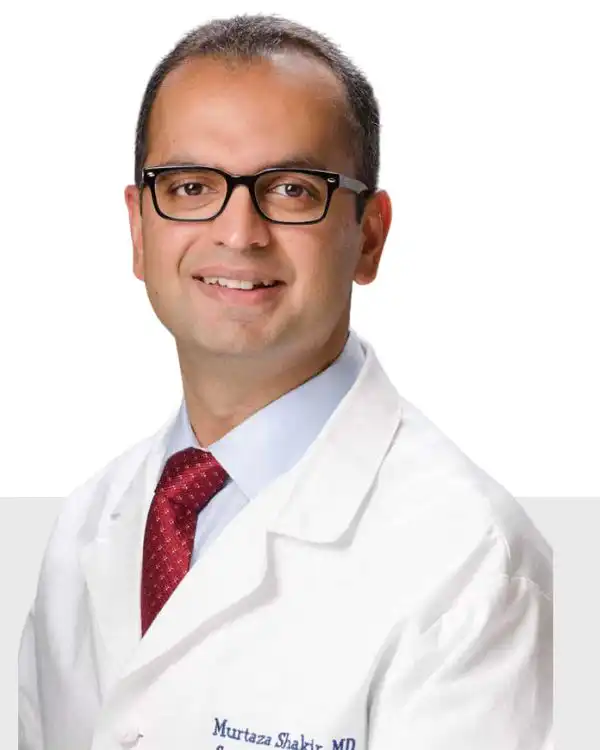
Murtaza Shakir, MD
Dr. Murtaza Shakir is a board-certified General Surgeon and is board certified in Complex General Surgical Oncology. He earned his medical degree at Aga Khan University, completed General Surgery residency at Riverside Methodist Hospital in Columbus, Ohio, and a two-year Surgical Oncology fellowship at the University of Pittsburgh Medical Center.
He evaluates and treats patients at Surgical Associates of Southern Texas in Katy and Sugar Land.
Board certified by the American Board of Surgery in:
- General Surgery
- Complex General Surgical Oncology
Surgical focus:
- Hernia repair: open, laparoscopic, and robotic
- Gallbladder surgery: laparoscopic and robotic
- General surgery
- Surgical oncology
Recognized by Houstonia Magazine among Houston’s top general surgeons. Learn more about gallbladder surgery.