
Hernia • Patient Education
Should I Go to a Surgeon for Hernia Pain?
General Surgery & Hernia Care
Hernia pain can feel like pressure, pulling, burning, aching, or sharp discomfort in the groin, abdomen, belly button, or near a prior surgical scar.
If you notice a bulge, pain that worsens with lifting or coughing, or symptoms that keep returning, it may be time to schedule a consultation with a surgeon.
By Surgical Associates of Southern Texas · Katy and Sugar Land, TX · June 2026
On This Page
- Quick Answer: When Should You See a Surgeon for Hernia Pain?
- Go to the ER Immediately If You Have These Symptoms
- What Is a Hernia?
- How Do I Know If My Pain Is Hernia Pain?
- Where Does Hernia Pain Usually Occur?
- What Does Hernia Pain Feel Like?
- Common Types of Hernias Treated by General Surgeons
- Signs You Should See a Surgeon for Hernia Pain
- Hernia vs Muscle Strain: How Can You Tell the Difference?
- How a Surgeon Diagnoses a Hernia
- Hernia Treatment Options
- When Is Hernia Surgery Needed?
- Hernia Surgery Recovery Timeline
- Simple Decision Guide: Surgeon or ER?
- Concerned About Hernia Pain?
- Medical Disclaimer
- Medical References
- Frequently asked questions

Pain that won’t settle? Don’t guess — get it checked.
Consult with Dr. Murtaza Shakir, board-certified general surgeon. Call now, or send us your details and our team will call you back.
What You’ll Learn
- Quick Answer: When Should You See a Surgeon for Hernia Pain?
- Go to the ER Immediately If You Have These Symptoms
- What Is a Hernia?
- How Do I Know If My Pain Is Hernia Pain?
- Where Does Hernia Pain Usually Occur?
Quick Answer: When Should You See a Surgeon for Hernia Pain?
You should see a surgeon for hernia pain if you have a visible or noticeable bulge, pain that worsens when lifting, coughing, standing, or straining,
pressure in the groin or abdomen, discomfort that keeps coming back, or a hernia that appears to be getting larger.
A surgeon can confirm whether it is a hernia and discuss whether watchful waiting or hernia repair is appropriate.
Go to the ER Immediately If You Have These Symptoms
Some hernia symptoms may be signs of an incarcerated or strangulated hernia, which can become dangerous.
- Sudden severe hernia pain
- A bulge that becomes hard, stuck, red, purple, or dark
- Nausea or vomiting
- Fever or chills
- Abdominal swelling or bloating
- Inability to pass gas or have a bowel movement
- Weakness, dizziness, or feeling seriously ill
If these symptoms are present, do not wait for an office appointment. Seek emergency care right away.
What Is a Hernia?
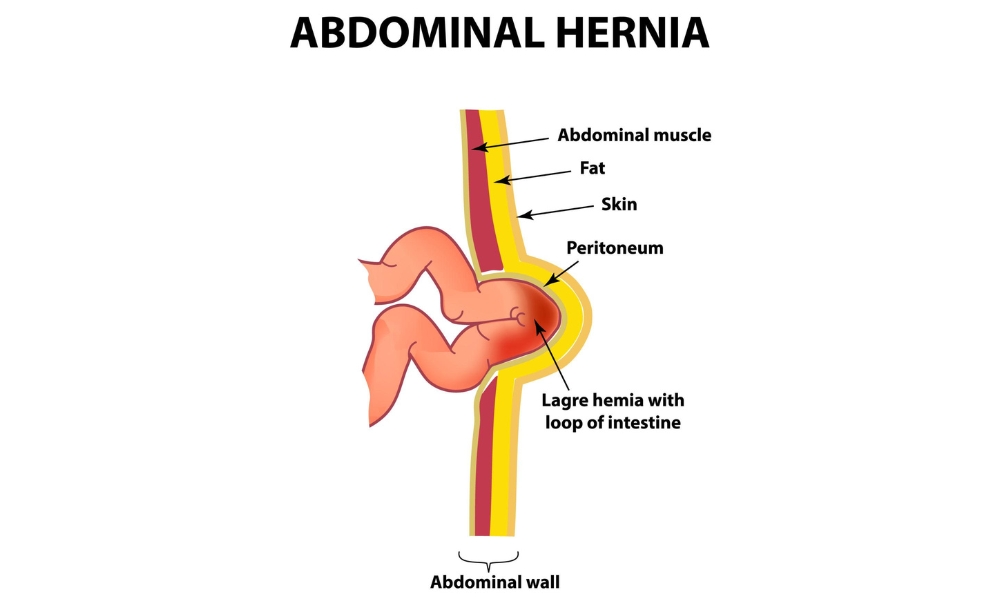
A hernia happens when tissue, fat, or part of an organ pushes through a weak area in the muscle or surrounding connective tissue.
Hernias commonly occur in the groin, abdomen, belly button area, or near a previous surgical incision.
Many hernias start small. At first, you may only notice a bulge when standing, coughing, lifting, or straining.
Over time, the bulge may become more noticeable and discomfort may increase.
How Do I Know If My Pain Is Hernia Pain?
Hernia pain is often connected to pressure or movement. Many patients notice symptoms when they lift something heavy, cough, bend, exercise,
stand for a long time, or strain during a bowel movement.
Common Clues That Pain May Be From a Hernia
- A visible or noticeable bulge
- A lump that appears when standing and improves when lying down
- Pain or pressure with lifting, coughing, or straining
- Burning, pulling, aching, or heaviness in the groin or abdomen
- Discomfort that comes and goes
- A bulge near the belly button or a previous surgical scar
- Symptoms that slowly get worse over time
Not every groin or abdominal pain is a hernia. Muscle strain, hip problems, kidney stones, abdominal conditions, and other issues can cause similar discomfort.
A surgical evaluation can help identify the cause.
Where Does Hernia Pain Usually Occur?
| Pain Location | Possible Hernia Type | Common Symptoms |
|---|---|---|
| Groin | Inguinal Hernia | Groin bulge, pressure, burning, pain with lifting or coughing |
| Upper inner thigh/groin | Femoral Hernia | Small groin lump, discomfort, pain with standing or straining |
| Belly button | Umbilical Hernia | Bulge at or near the navel, tenderness, pressure |
| Abdominal wall | Ventral Hernia | Abdominal bulge, pulling sensation, discomfort with activity |
| Previous surgery scar | Incisional Hernia | Bulge near incision, pain with movement, swelling |
| Upper abdomen/chest area | Hiatal Hernia | Reflux, chest discomfort, swallowing symptoms in some patients |

What Does Hernia Pain Feel Like?
Hernia pain can feel different from person to person. Some patients experience a dull ache, while others describe burning, pressure, or a sharp sensation. The type and intensity of pain often depend on the hernia's location, size, and activity level.
| Feeling | What It May Mean |
|---|---|
| Pressure or heaviness | Common with groin or abdominal wall hernias |
| Burning sensation | May occur when tissue pushes through a weakened area |
| Pulling or tugging | Often worsens with movement, lifting, or straining |
| Dull ache | May come and go, especially after physical activity |
| Sharp pain | Can occur with worsening symptoms and should be evaluated |
| Sudden severe pain | May indicate an emergency, especially if accompanied by vomiting, fever, or a hard, stuck bulge |

Common Types of Hernias Treated by General Surgeons
General surgeons commonly evaluate and treat several types of hernias that develop in different areas of the body. The symptoms, risks, and treatment approach can vary depending on the hernia’s location, size, severity, and your overall health. During a consultation, a surgeon can determine the type of hernia you have and recommend whether monitoring, lifestyle adjustments, or surgical repair is appropriate.
Inguinal Hernia
An inguinal hernia occurs when tissue pushes through a weakened area in the lower abdominal wall near the groin. It is the most common type of hernia, especially in adults. Many people notice a bulge in the groin that becomes more visible when standing, coughing, lifting, or straining.
Symptoms may include groin pressure, aching, burning, pulling sensations, or discomfort that worsens with physical activity. Some inguinal hernias may remain small for a period of time, while others may gradually enlarge and cause increasing symptoms.
Umbilical Hernia
An umbilical hernia develops near or around the belly button when tissue pushes through a weakened area of the abdominal wall. It is commonly seen in adults and may become more noticeable due to increased abdominal pressure.
Factors such as weight gain, pregnancy history, heavy lifting, chronic coughing, or repeated straining may contribute to the development or worsening of an umbilical hernia. Symptoms may include a visible belly button bulge, tenderness, pressure, or discomfort during activity.
Ventral Hernia
A ventral hernia occurs through a weakened area of the abdominal wall, often causing a noticeable bulge on the abdomen. These hernias may develop in different areas of the abdominal wall and can become more noticeable when standing, coughing, lifting, or engaging in physical activity.
Patients may experience pulling sensations, abdominal discomfort, pressure, or pain around the affected area. Treatment recommendations depend on the hernia size, symptoms, and whether it affects daily activities.
Incisional Hernia
An incisional hernia develops at or near the site of a previous abdominal surgery. It occurs when the surgical incision area does not fully maintain its strength, allowing tissue to push through the weakened area.
Incisional hernias may appear months or even years after an operation. Symptoms can include a bulge near the surgical scar, discomfort with movement, pain during lifting or straining, and swelling around the incision area. A surgeon can evaluate the hernia and determine whether repair is needed.
Femoral Hernia
A femoral hernia occurs when tissue pushes through a weakened area near the upper thigh or femoral canal, which is located just below the groin. These hernias are less common than inguinal hernias but may have a higher risk of becoming trapped.
Symptoms may include a small lump in the upper thigh or groin area, discomfort with standing or straining, and pain that increases with activity. Because femoral hernias can sometimes lead to complications, evaluation by a surgeon is important when symptoms are present.
Signs You Should See a Surgeon for Hernia Pain
A surgeon should evaluate hernia symptoms when the problem is persistent, worsening, limiting your activity, or associated with a visible bulge.
Schedule a Hernia Consultation If You Have:
- A bulge in the groin, abdomen, belly button, or near a scar
- Pain that gets worse with lifting, coughing, or exercise
- A hernia that is getting larger
- Recurring discomfort that does not fully go away
- Pressure, heaviness, or burning in the groin or abdomen
- Difficulty working, exercising, or performing daily activities
- Concern that a previous hernia repair has returned
Hernia vs Muscle Strain: How Can You Tell the Difference?
Hernia pain and muscle strain can feel similar, especially after lifting, exercise, or physical activity. However, the presence of a bulge or lump is one of the biggest clues that the discomfort may be caused by a hernia rather than a strained muscle.
| Feature | Hernia | Muscle Strain |
|---|---|---|
| Bulge or lump | Common | Usually absent |
| Pain with coughing or straining | Common | May occur but is usually related to muscle movement |
| Improves when lying down | Often | Variable |
| Gets larger over time | Possible | Usually no lump enlargement |
| Typical treatment | Surgeon evaluation; repair may be needed | Rest, ice/heat, anti-inflammatory care, and physical therapy if needed |
Key Takeaway So Far
So far we have covered quick answer: when should you see a surgeon for hernia pain, go to the er immediately if you have these symptoms, what is a hernia, and more. Next, we look at how a surgeon diagnoses a hernia, hernia treatment options, when is hernia surgery needed, followed by answers to common questions.
How a Surgeon Diagnoses a Hernia
A hernia diagnosis often begins with a physical exam. Your surgeon may ask you to stand, cough, or strain gently so the bulge becomes more noticeable.
Your Evaluation May Include:
- Review of symptoms and medical history
- Physical examination of the painful area
- Evaluation of the bulge while standing and lying down
- Assessment of prior surgery scars
- Discussion of work, exercise, lifting, and activity limitations
- Ultrasound, CT scan, or other imaging if the diagnosis is unclear
Hernia Treatment Options
Treatment depends on your symptoms, hernia size, location, risk of complications, and overall health. A surgeon will evaluate your condition and recommend the most appropriate approach based on your individual needs and goals.
| Treatment Option | When It May Be Considered |
|---|---|
| Watchful Waiting | Small, reducible hernias with little or no discomfort |
| Lifestyle & Activity Guidance | To reduce strain and help prevent symptom worsening while planning care |
| Open Hernia Repair | Common surgical option depending on hernia type, size, and patient factors |
| Laparoscopic Hernia Repair | Minimally invasive approach using small incisions in selected patients |
| Robotic Hernia Repair | Advanced minimally invasive option for certain hernia repairs |
| Mesh Repair | Often used to reinforce weakened tissue and reduce the risk of recurrence |
When Is Hernia Surgery Needed?
Many adult hernias do not go away on their own. Surgery may be recommended when the hernia is painful, enlarging, limiting activity, or at risk for complications.
A Surgeon May Recommend Repair If:
- The hernia is painful
- The hernia is growing
- The hernia affects work or daily activity
- The hernia causes repeated pressure or burning
- The hernia is difficult to push back in
- There is concern for future incarceration or strangulation
The best way to know whether surgery is needed is to schedule a consultation with a qualified general surgeon.
Hernia Surgery Recovery Timeline
Recovery after hernia surgery depends on the type of hernia, surgical approach, overall health, and the physical demands of your work or exercise routine. Your surgeon will provide specific instructions based on your procedure and healing progress.
| Timeframe | Typical Recovery Focus |
|---|---|
| First Few Days | Pain control, walking, incision care, and avoiding activities that place strain on the repair |
| 1–2 Weeks | Gradual return to light activities depending on surgeon guidance and comfort level |
| 2–4 Weeks | Improved mobility and reduced discomfort for many patients |
| 4–6 Weeks | Possible return to more normal activities if cleared by your surgeon |
| 6+ Weeks | Heavier lifting and strenuous activities may be considered after medical clearance |
Simple Decision Guide: Surgeon or ER?
See a Surgeon Soon
You have a bulge, recurring pain, discomfort with lifting, or symptoms that are gradually getting worse.
Schedule a Consultation
You think you may have a hernia but are not sure. A surgeon can confirm the diagnosis and explain treatment options.
Go to the ER Immediately
You have severe pain, vomiting, fever, a hard or discolored bulge, abdominal swelling, or inability to pass gas or stool.
Concerned About Hernia Pain?
Surgical Associates of Southern Texas evaluates hernia symptoms and provides surgical treatment options for patients with groin, abdominal, umbilical, ventral, and incisional hernias.
Medical Disclaimer
This article is for educational purposes only and does not replace professional medical advice, diagnosis, or treatment.
If you have severe pain, vomiting, fever, a discolored or stuck bulge, or symptoms of a medical emergency, call 911 or go to the nearest emergency room.
Medical References
The information in this article is supported by trusted medical and surgical resources. The references below provide additional patient education on hernia symptoms, diagnosis, treatment, and surgical care.
- Mayo Clinic. Inguinal Hernia: Symptoms and Causes.
https://www.mayoclinic.org/ - Mayo Clinic. Inguinal Hernia: Diagnosis and Treatment.
https://www.mayoclinic.org/ - MedlinePlus. Hernia. U.S. National Library of Medicine.
https://medlineplus.gov/ - Cleveland Clinic. Hernia: Symptoms, Types, Causes and Treatment.
https://my.clevelandclinic.org/ - American College of Surgeons. Ventral Hernia Repair Patient Education.
https://www.facs.org/ - American College of Surgeons. Surgical Patient Education Resources.
https://www.facs.org/ - American College of Radiology. ACR Appropriateness Criteria: Hernia.
https://acsearch.acr.org/ - Garcia EM, et al. ACR Appropriateness Criteria: Hernia. Journal of the American College of Radiology. 2022.
- Society of American Gastrointestinal and Endoscopic Surgeons. Hernia Surgery Patient Information.
https://www.sages.org/ - National Institute of Diabetes and Digestive and Kidney Diseases. Digestive Diseases Information.
https://www.niddk.nih.gov/
Frequently Asked Questions
How do I know if I have a hernia?
Common signs include a bulge, pressure, burning, aching, or pain that worsens with lifting, coughing, standing, or straining.
A surgeon can confirm the diagnosis through an exam and imaging if needed.
Should I see a surgeon if my hernia does not hurt?
Yes, it can still be helpful to see a surgeon. Some hernias cause little pain at first but may enlarge or become symptomatic over time.
Can a hernia heal without surgery?
In adults, most true hernias do not repair themselves. Surgery is the only definitive repair for many hernias.
Can hernia pain come and go?
Yes. Hernia discomfort may come and go, especially with changes in activity, posture, lifting, coughing, or straining.
Is a hernia the same as a pulled muscle?
No. A pulled muscle is an injury to muscle fibers, while a hernia involves tissue pushing through a weak area.
A bulge is more suggestive of a hernia.
When is hernia pain an emergency?
Hernia pain may be an emergency if it is sudden or severe, or if it occurs with vomiting, fever, a hard or discolored bulge, abdominal swelling, or inability to pass gas or stool.
What type of doctor treats hernias?
General surgeons commonly diagnose and repair abdominal wall, groin, umbilical, ventral, femoral, and incisional hernias.
Do all hernias need surgery?
Not always immediately. Some small, reducible, minimally symptomatic hernias may be monitored. Painful, enlarging, or activity-limiting hernias often require surgical discussion.
What happens during a hernia consultation?
The surgeon reviews your symptoms, examines the area, checks for a bulge, discusses your activity limitations, and may order imaging if the diagnosis is unclear.
Can I exercise with a hernia?
It depends on the hernia and your symptoms. Avoid heavy lifting or movements that worsen pain until you are evaluated by a surgeon.
Concerned About Hernia Symptoms?
If your symptoms are persistent, worsening, or affecting daily life, a surgical evaluation can help determine the cause and whether treatment may be appropriate. Dr. Murtaza Shakir sees patients at the Katy and Sugar Land offices.
Medical Disclaimer
This article is intended for general educational purposes only and is not a substitute for professional medical advice, diagnosis, or treatment. Symptoms can have many possible causes, and treatment decisions should be based on an individual medical evaluation. If you are experiencing severe or rapidly worsening symptoms, seek prompt medical attention. For a medical emergency, call 911 or go to the nearest emergency department.
References
- HerniaSurge Group. International guidelines for groin hernia management. Hernia. 2018;22(1):1–165.
- American College of Surgeons. Inguinal and Femoral Groin Hernia Repair: Surgical Patient Education Program. facs.org.
- National Institute of Diabetes and Digestive and Kidney Diseases (NIDDK). Inguinal Hernia: Symptoms, Causes, Diagnosis and Treatment. niddk.nih.gov.
- Society of American Gastrointestinal and Endoscopic Surgeons (SAGES). Guidelines for laparoscopic ventral hernia repair. sages.org.
- Mayo Clinic. Inguinal hernia: Symptoms and causes; Diagnosis and treatment. mayoclinic.org.

Your Surgeon
About the Physician
Murtaza Shakir, MD
Dr. Murtaza Shakir is a board-certified General Surgeon and is board certified in Complex General Surgical Oncology. He earned his medical degree at Aga Khan University, completed General Surgery residency at Riverside Methodist Hospital in Columbus, Ohio, and a two-year Surgical Oncology fellowship at the University of Pittsburgh Medical Center.
He evaluates and treats patients at Surgical Associates of Southern Texas in Katy and Sugar Land.
Board certified by the American Board of Surgery in:
- General Surgery
- Complex General Surgical Oncology
Surgical focus:
- Hernia repair: open, laparoscopic, and robotic
- Gallbladder surgery: laparoscopic and robotic
- General surgery
- Surgical oncology
Recognized by Houstonia Magazine among Houston’s top general surgeons. Learn more about hernia repair.