Feeling a lump or discomfort in the groin area can be confusing and concerning. Many people notice a bulge near the lower abdomen and wonder whether it’s something serious, a simple strain, or the early signs of a hernia. Deciding when to seek medical attention, whether to see a primary care doctor or a surgical specialist, and what treatment options are safe can feel overwhelming. Understanding inguinal hernia symptoms and treatment options can help patients feel more confident in making these decisions.
What Is an Inguinal Hernia?
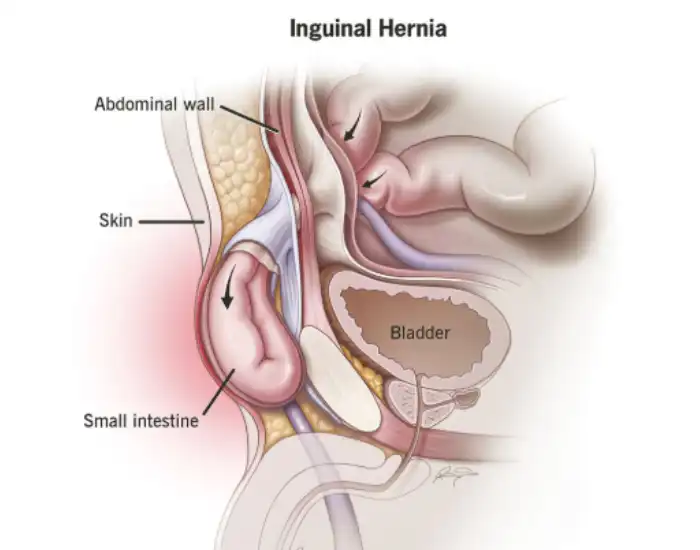
An inguinal hernia occurs when tissue, often part of the intestine, pushes through a weak spot in the lower abdominal wall near the groin. These hernias are the most common type, particularly in men, though women can develop them as well. The protrusion may appear as a noticeable bulge and can sometimes cause discomfort or pain, especially when standing, lifting, or coughing.
Hernias develop gradually over time. Factors that increase the risk include:
-
Heavy lifting or strenuous physical activity
-
Chronic coughing or sneezing
-
Obesity or excess body weight
-
Weakness in the abdominal wall from aging or prior surgery
-
Family history of hernias
Understanding the signs early can prevent complications and help plan for timely treatment.
Recognizing Inguinal Hernia Symptoms
Symptoms can vary widely. Some hernias are painless, while others cause significant discomfort. Common signs include:
-
Visible bulge in the groin or lower abdomen that may become more apparent when standing, coughing, or straining
-
Groin discomfort or aching that worsens with activity
-
Feeling of heaviness or pressure in the groin
-
Burning or sharp pain around the bulge
-
Swelling in the scrotum in men when part of the intestine descends into the scrotal sac
In some cases, hernias do not cause obvious symptoms. People may notice subtle discomfort or a dragging sensation that comes and goes. Because of this variability, any new groin bulge or persistent pain warrants medical evaluation.
When Inguinal hernia Symptoms Require Immediate Medical Attention
While many inguinal hernias develop slowly and can be scheduled for elective repair, some situations require urgent care. Seek immediate medical attention if there are signs of incarceration or strangulation, including:
-
Severe groin pain that comes on suddenly
-
Redness or tenderness over the bulge
-
Nausea or vomiting
-
Inability to push the hernia back in
-
Swelling that does not reduce
Strangulated hernias cut off blood supply to the tissue, which is a medical emergency. Prompt surgical intervention can prevent serious complications.
How Inguinal Hernias Are Evaluated
Diagnosing an inguinal hernia begins with a thorough physical exam. A surgeon or experienced clinician will look for:
-
Bulges in the groin area
-
Changes in size or position when standing or coughing
-
Tenderness or pain at the hernia site
In some cases, imaging studies such as ultrasound, CT scan, or MRI may be used to confirm the diagnosis, particularly if the hernia is not easily visible.
Potential Complications of Untreated Hernias
Leaving an inguinal hernia untreated can lead to complications over time. Some potential issues include:
-
Incarceration: The hernia becomes trapped and cannot be pushed back into the abdomen
-
Strangulation: Blood supply to the herniated tissue is cut off, requiring emergency surgery
-
Bowel obstruction: Severe cases can block the intestine, causing nausea, vomiting, and abdominal pain
Understanding these risks highlights why timely evaluation by a surgical specialist is important, even if symptoms are mild.
Treatment Options for Inguinal Hernias
Treatment depends on the size of the hernia, symptoms, and patient health. While small, painless hernias can sometimes be monitored, surgery is typically recommended to prevent complications.
Non-Surgical Approaches
-
Watchful waiting: Suitable for small, minimally symptomatic hernias in adults, particularly older patients.
-
Lifestyle adjustments: Avoiding heavy lifting, maintaining a healthy weight, and managing chronic cough can reduce discomfort.
-
Supportive garments: Hernia belts or trusses may provide temporary relief but do not repair the hernia.
These approaches do not eliminate the hernia but can help manage symptoms until surgery is indicated.
Surgical Repair
Surgery is the definitive treatment for inguinal hernias. Modern techniques focus on minimizing recovery time while reducing recurrence risk. Options include:
-
Open hernia repair: The surgeon makes an incision in the groin, pushes the protruding tissue back in place, and reinforces the abdominal wall with mesh or sutures.
-
Laparoscopic hernia repair: Small incisions and a camera are used to repair the hernia. This approach usually offers faster recovery and less post-operative pain.
-
Robotic hernia surgery: Advanced robotic systems allow precise repair with enhanced visualization and control, often resulting in smaller incisions and quicker return to daily activities.
Your surgeon will recommend the best approach based on hernia size, location, and personal health factors.
Recovery After Surgery
Recovery times vary depending on the procedure and patient health. Typical guidelines include:
-
Returning to light activity within a few days to a week
-
Avoiding heavy lifting or strenuous exercise for 4–6 weeks
-
Monitoring for signs of infection, bleeding, or recurrence
Most patients notice gradual improvement in pain and swelling over the first few weeks. Following post-operative instructions carefully is crucial for a smooth recovery.
Lifestyle and Home Care After Surgery
Supporting healing after hernia surgery can make a meaningful difference. Recommended steps include:
-
Eating a balanced diet to maintain strength and support tissue repair
-
Staying hydrated to aid digestion and reduce constipation
-
Taking short walks to improve circulation without straining the surgical site
-
Wearing supportive clothing or compression garments as directed
-
Avoiding sudden movements or bending that increase pressure on the groin
These measures complement surgical repair and help patients regain normal activity safely.
Who Should Manage an Inguinal Hernia?
While a primary care doctor can identify a hernia, surgical management is best handled by a general surgeon, preferably one with experience in minimally invasive and robotic techniques. Patients searching for a hernia surgeon near me should consider specialists who:
-
Are board-certified in general surgery
-
Have experience with laparoscopic and robotic hernia repair
-
Provide individualized treatment plans with clear explanations
-
Offer post-operative follow-up and support
Choosing a skilled surgeon improves outcomes, reduces recurrence risk, and ensures complications are addressed promptly.
Final Thoughts
Inguinal hernias are common and manageable, especially when recognized early. Understanding inguinal hernia symptoms, seeking timely evaluation, and exploring modern surgical options can prevent complications and improve quality of life. Even if discomfort is mild, a consultation with a qualified surgeon provides reassurance, personalized guidance, and access to advanced techniques like robotic hernia surgery.
Taking proactive steps ensures patients feel confident, informed, and supported throughout the diagnosis, treatment, and recovery process.
Patients experiencing groin discomfort or a noticeable bulge are encouraged to consult a general surgeon for expert evaluation. Surgical Associates of Southern Texas offers experienced care, including advanced robotic hernia surgery, with individualized treatment plans tailored to each patient. Searching for a hernia surgeon near me in Houston, Katy, or Sugar Land? Schedule a consultation today to discuss options, understand the procedure, and take the next step toward a safe, effective recovery.
Medical Disclaimer: This content is for educational purposes only and is not a substitute for professional medical advice. Always consult a qualified healthcare provider regarding any medical concerns or before starting any treatment.