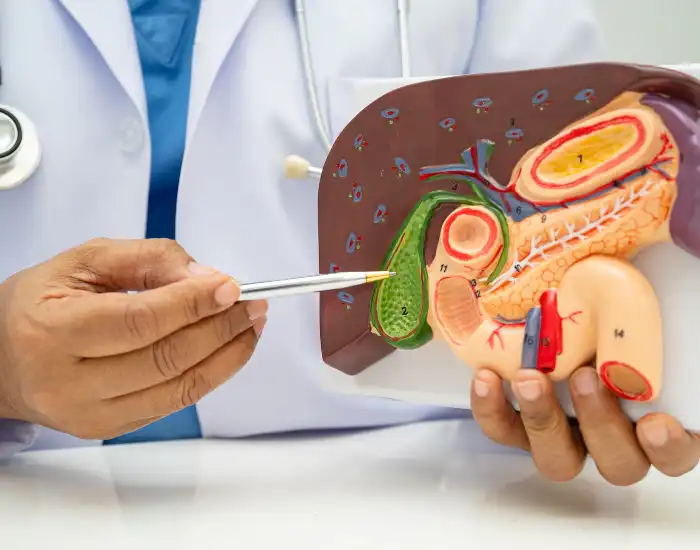
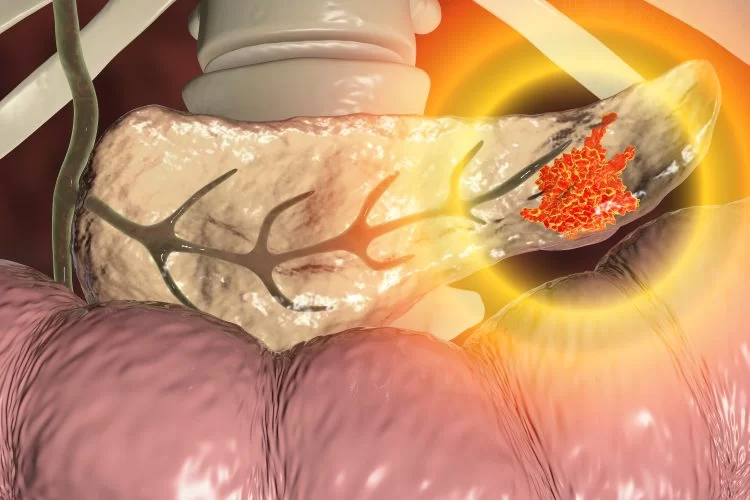
The pancreas is the largest gland in the human body that lies in the stomach, in the lower abdominal area. The Pancreas produces enzymes that mix with the bloodstream and aid digestion and other physiological processes in the body. The gland also helps regulate blood sugar levels in the body. The growth of extra cells in the pancreas may cause lumps, which might be cancerous or non-cancerous. Mostly, the cancer-causing cells amass at the duct line forming the pancreas. Symptoms usually don’t appear until later stages and by then cancer would have been advanced and spread to other organs. Identifying Pancreatic Cancer Causes & Risk Factors would help diagnose the cancer and provide treatment accordingly.
Causes for Pancreatic Cancer
While there are many speculations about what causes Pancreatic Cancer, excessive and incessant smoking and drinking prove to be the underlying causes in most cases. Inherited gene mutations could also be an important factor that causes Pancreatic Cancer. Choosing a healthy and nutritious diet and strictly avoiding tobacco and alcohol, allow you to keep your pancreas healthy and maintain a steady blood flow rate besides regulating blood sugars. Diabetes and obesity are other main causes of Pancreatic Cancers. The lumps of cancerous cells disrupt the blood flow in the body, and this phenomenon proves to be more dangerous in diabetic and obese people. The types of Pancreatic Cancers include Adenocarcinomas, Adenosquamous carcinoma, squamous cell carcinoma, and other lesser known carcinoma variants. However, the exact cause of pancreatic cancer is not well understood, but several risk factors have been identified, including age, smoking, family history, chronic pancreatitis, obesity, diabetes, exposure to certain chemicals, and a poor diet. If you are concerned about your risk of developing pancreatic cancer, it is important to speak with your doctor.
Risk Factors for Pancreatic Cancer
Inherited Pancreatic Cancers make up only 10% of Pancreatic Cancers around the world. Around 90% of Pancreatic Cancers are considered sporadic. Often referred to as somatic mutations, the genetic modifications take place after a person takes birth and does not transfer at the time of birth, to children.
-Cirrhosis: Liver cells are damaged and replaced with scar tissue in this condition. Excessive iron in the liver causes a state known as hemochromatosis which might lead to the growth of cancerous cells.
-Chronic Pancreatitis: A painful inflammation in the pancreas develops into a chronic condition that leads to Pancreatic Cancer.
-Extended exposure to chemicals, dyes, petrochemicals, and benzene
-Hepatitis-B
Diagnosis of Pancreatic Cancer
Pancreatic cancer is usually diagnosed using a combination of tests performed by a physician and treatments. The most common ways that are used to detect pancreatic cancer are:
-
Physical Exam A physical exam the doctor will search for indications of pancreatic cancer like the presence of a lump or mass in the abdomen, or a change in the color of the eyes and skin (jaundice) and abdominal pain.
-
Blood tests: The blood tests can be used to detect increased levels of specific substances like liver enzymes. These may suggest the presence of pancreatic cancer.
-
Images Tests: The imaging tests like CT scans MRI scanners as well as ultrasound are used to produce photographs of the pancreas as well as the organs surrounding it. The images can be used to aid in the detection of the presence of tumors or other irregularities within the pancreas which could be an indication of cancer.
-
Endoscopic Ultrasound (EUS): EUS is an specialized test that uses the endoscope (a thin flexible tube that has an end camera) and ultrasound to produce high-quality photographs of the pancreas. EUS helps doctors get biopsies from suspicious masses and help determine the stage of cancer.
-
Biopsy A biopsy is a procedure where tiny amounts of tissue is taken and examined under microscopes to determine if it’s cancerous. The procedure is typically carried out after a mass is detected within the pancreas using the use of imaging or EUS.
Pancreatic cancer is generally diagnosed using the combination testing and treatments which include physical examinations and testing for blood, images endoscopic ultrasound and biopsy. If any one experiencing signs that could be indicative of pancreatic cancer, then it’s essential to consult a physician for an examination to get a precise diagnosis.
Surgery for Pancreatic Cancer
The pancreatic cancer procedure is one method of treatment for pancreatic cancer. It involves the removal of cancerous pancreas tissue. The kind of procedure that is performed will be determined by the location and the size of the tumor, in addition to the general well-being of the patient. Pancreatic cancer surgery is generally performed by a group of experts, which includes general surgeons or gastroenterologist as well as an oncologist. The purpose of the procedure is to eliminate the cancerous tissues and stop it from spreading. In certain instances, surgery can be in conjunction with other treatments like radiotherapy or chemotherapy to increase the chance of success.
Pancreatic Cancers are usually treated by various kinds of surgeries depending upon where the cells are amassed. Chemotherapy is also an extensively used treatment for advanced Pancreatic Cancer cases. Traditional Radio Therapy is also a widely known treatment used in the available treatment range. Visit Surgical STX for the best Oncologists in and around Houston.