
When a New Lump Causes Real Worry
Finding a bulge in the groin can be unsettling. Many adults who ask, “Why do I have a bulge in my groin?”, notice it while showering, exercising, or getting dressed and immediately wonder if it is something serious. Some people assume it is a muscle strain. Others fear cancer. Many feel unsure whether to wait, visit a doctor, or go straight to a surgeon. A bulge in the groin is not a diagnosis by itself. Instead, it is a symptom that can have several causes, ranging from minor infections to conditions that require surgical treatment. Understanding the possibilities helps patients make confident, timely decisions about care. This guide explains what a groin bulge may mean, when it needs medical attention, and how surgical care is typically involved when treatment is necessary.What Does a Bulge in the Groin Usually Mean?
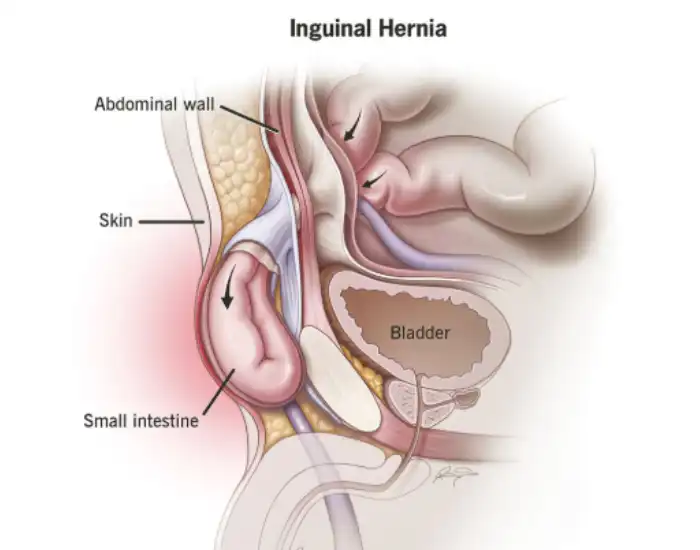
The groin is the area where the lower abdomen meets the upper thigh. A bulge here usually means that something underneath the skin has changed in size, position, or structure. The most common cause is a hernia, especially an inguinal hernia. This occurs when abdominal tissue pushes through a weak spot in the abdominal wall, creating a visible or noticeable lump. Other causes are possible and sometimes look very similar at first.
Common Causes of a Bulge in the Groin
1. Inguinal Hernia (Most Common Surgical Cause)
An inguinal hernia forms when part of the intestine or internal tissue pushes through weakened abdominal muscles.
Common features include:
-
Bulge that gets bigger when standing, lifting, or coughing
-
Bulge that may shrink when lying down
-
Pressure, burning, or aching in the groin
-
Pain during activity or straining
Symptoms often worsen with physical strain because increased abdominal pressure pushes tissue outward through the weak spot.
Hernias usually do not heal on their own and may enlarge over time.
2. Enlarged Lymph Nodes
Lymph nodes can swell when the body fights infection. This may happen due to:
-
Skin infections
-
Leg infections
-
Viral illnesses
-
Some sexually transmitted infections
Swollen lymph nodes can feel like small lumps in the groin and may be tender or painful.
3. Cysts or Abscesses
Blocked hair follicles or oil glands can form cysts. Infections can form abscesses filled with pus.
These often cause:
-
Redness
-
Tenderness
-
Swelling
-
Warmth in the skin
Cysts and abscesses may require drainage or medication depending on severity.
4. Fatty Growths (Lipomas)
Lipomas are noncancerous fatty lumps under the skin. They are usually:
-
Soft
-
Slow growing
-
Painless
They rarely require treatment unless they cause discomfort or grow rapidly.
5. Less Common Causes
Less common but important possibilities include:
-
Femoral hernia (more common in women)
-
Blood vessel conditions
-
Certain cancers involving lymph nodes
Each requires professional evaluation for accurate diagnosis.
Symptoms That Suggest a Hernia Instead of Something Else
Because hernias are the most common surgical cause of a groin bulge, recognizing typical signs can help patients seek care early.
Possible hernia symptoms include:
-
Bulge on either side of the pubic bone
-
Heaviness or pressure sensation
-
Pain with lifting, bending, or coughing
-
Burning or pulling sensation
Some hernias cause minimal symptoms at first. In some cases, the bulge may be the only sign.
When a Bulge in the Groin Requires Medical Attention
Any new groin lump should be evaluated by a medical professional. Some symptoms require urgent surgical evaluation.
Seek urgent care if there is:
-
Sudden severe pain
-
Bulge that cannot be pushed back in
-
Nausea or vomiting
-
Fever
-
Redness or extreme tenderness
-
Rapid bulge growth
These can signal a trapped or strangulated hernia, which can cut off blood supply to tissue and become life threatening.
How Surgical Care Usually Approaches a Groin Bulge
If a surgical cause is suspected, evaluation usually focuses on confirming diagnosis and determining urgency.
Step 1: Medical History
Patients may be asked about:
-
When the bulge started
-
Changes in size
-
Pain pattern
-
Physical activity or heavy lifting
-
Previous surgeries
Step 2: Physical Examination
A surgeon often checks the area while the patient:
-
Stands
-
Coughs
-
Strains gently
Many hernias become more noticeable during these actions.
Step 3: Imaging (If Needed)
Sometimes imaging helps confirm the diagnosis:
-
Ultrasound
-
CT scan
-
MRI in complex cases
Not all patients need imaging. Many hernias are diagnosed by physical exam alone.
How Groin Hernias Are Typically Treated
Treatment depends on symptoms, size, and patient health.
Watchful Monitoring
Sometimes used when:
-
Hernia is small
-
No symptoms
-
Low complication risk
However, hernias often enlarge over time.
Surgical Repair
Surgery is the only permanent repair for most hernias.
Common approaches include:
-
Minimally invasive laparoscopic repair
-
Robotic-assisted repair
-
Traditional open repair
The goal is to:
-
Return tissue to its proper position
-
Reinforce the abdominal wall
Minimally invasive techniques often help patients recover faster and return to normal activity sooner.
Who Is Best Suited to Manage a Bulge in the Groin?
Because many groin bulges are structural problems, surgical specialists often manage diagnosis and treatment.
Surgical specialists typically evaluate:
-
Hernias
-
Suspicious masses
-
Complex cysts
-
Surgical infections
-
Tumor-related lumps
Early surgical evaluation can help prevent complications and allow more treatment options.
Can a Groin Bulge Be Prevented?
Not all causes are preventable, but risk can be reduced by:
-
Maintaining a healthy weight
-
Using proper lifting technique
-
Treating chronic cough
-
Avoiding smoking
-
Managing constipation to reduce straining
These steps reduce pressure on the abdominal wall.
What Happens If a Hernia Is Ignored?
Untreated hernias may:
-
Increase in size
-
Cause chronic discomfort
-
Limit physical activity
-
Become trapped or strangulated
Strangulated hernias can lead to tissue death and require emergency surgery.
When to Consider Seeing a Surgical Specialist Near You
Many adults search for evaluation when symptoms affect daily life or cause anxiety. A surgical consultation is reasonable when:
-
Bulge persists longer than a few weeks
-
Pain interferes with activity
-
Size increases over time
-
Diagnosis is unclear
Timely evaluation often leads to simpler treatment and better recovery experiences.
Final Thoughts: Most Groin Bulges Are Treatable
Noticing a bulge in the groin can feel frightening, but many causes are treatable, especially when diagnosed early. Hernias are common and often safely repaired using modern surgical techniques. Other causes such as infections or cysts are also manageable once properly diagnosed. The most important step is not ignoring new or changing lumps. Early evaluation allows safer, more predictable treatment options and helps avoid emergency situations.
Patients searching for a trusted general surgeon or a reliable hernia surgeon near me deserve care that is both advanced and compassionate. At Surgical Associates of Southern Texas, patients receive personalized surgical treatment using minimally invasive and robotic techniques designed to support faster recovery and better outcomes. Their team provides comprehensive general surgery and hernia care across the Greater Houston area, helping patients return to daily life with confidence. Whether you need evaluation from a hernia specialist or guidance from an experienced general surgeon, the practice focuses on evidence-based surgical care, individualized treatment plans, and clear patient communication. The clinic is led by a double board-certified surgeon in General Surgery and Surgical Oncology, offering specialized expertise that supports both routine and complex surgical cases. Medical Disclaimer: This content is for educational purposes only and is not a substitute for professional medical advice, diagnosis, or treatment. Always seek evaluation from a qualified healthcare professional for any new or concerning symptoms. If experiencing severe pain, fever, vomiting, or a rapidly worsening bulge, seek emergency medical care immediately.