 EN
 ES
 UR
 HI

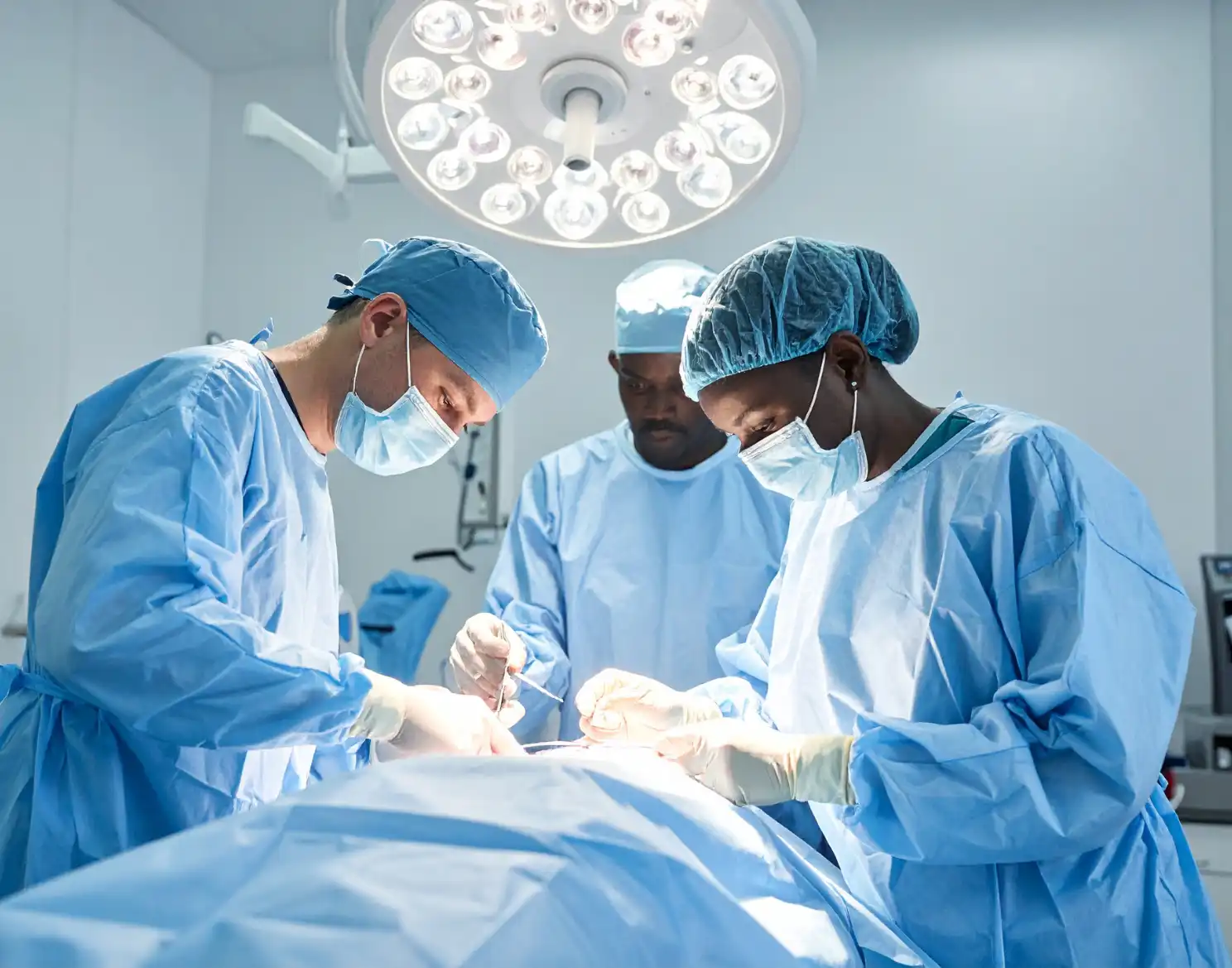
Facing a liver cancer diagnosis?
Have your imaging and treatment options reviewed by Dr. Murtaza Shakir, board certified in Complex General Surgical Oncology, in Katy or Sugar Land. Call (713) 955-9191, or send your details and our team will call you back.
THE SHORT ANSWER
Surgical oncology for liver cancer means removing liver tumors while preserving enough healthy liver to function. Surgery is usually considered when the cancer is confined to the liver, the remaining liver works well and you are healthy enough for a major operation. When surgery is not possible, ablation, liver-directed therapies, drug treatments or radiation may be used instead.
What Is Surgical Oncology for Liver Cancer?
Surgical oncology for liver cancer is the field of surgery focused on removing liver tumors, both primary liver cancers and cancers that have spread to the liver from elsewhere (metastatic tumors). The goal is to remove all of the cancer while minimizing damage to healthy liver cells and protecting liver function.
The surgical approach depends on the size, location and number of tumors and on the overall health of the liver. Surgical oncologists rarely make these decisions alone. They work closely with hepatologists (liver specialists), radiologists and medical oncologists to build one coordinated, multidisciplinary treatment plan. According to the American Cancer Society, surgery offers the best option to cure liver cancer when it can be done, which is why an early surgical opinion matters.
Learn more about the specialty on our surgical oncology page.
Who Is a Candidate for Liver Cancer Surgery?
Not every patient with liver cancer is a candidate for surgery. The best candidates usually have:
- Early-stage tumors confined to the liver
- Adequate liver function, without significant cirrhosis
- Good overall health to tolerate a major operation
- Tumors that can be removed safely while leaving enough working liver behind
Liver function is often the deciding factor. Doctors commonly grade it with the Child-Pugh score: people in class A are most likely to have enough liver function for surgery, surgery is less likely in class B and is not typically an option in class C, according to the American Cancer Society. Tumors that have grown into major blood vessels or spread outside the liver may also rule out resection.
Patients with advanced cancer or widespread metastases may not be eligible, but a surgical oncologist can still recommend other treatments to manage the disease. See can liver cancer be removed with surgery for more detail.
What Types of Liver Cancer Surgery Are There?
The main surgical options are liver resection, minimally invasive resection and liver transplantation. Each is chosen based on the tumor’s characteristics, the health of the liver and the patient’s needs.
- Liver resection (partial hepatectomy): the tumor is removed along with a portion of the liver. Because a healthy liver can grow back toward its normal size over time, many patients recover well after part of it is removed.
- Minimally invasive surgery: for eligible patients, laparoscopic or robotic-assisted resection uses small incisions, which can shorten recovery and reduce some complications.
- Liver transplantation: considered for select patients with small tumors and underlying liver disease. It replaces the diseased liver while treating the cancer, and it is performed at transplant centers. Donor livers are limited, so other treatments may be used while a patient waits.
Wondering If Your Tumor Can Be Removed?
Dr. Murtaza Shakir, board certified in Complex General Surgical Oncology, reviews liver imaging and treatment options for patients across the Houston area. Request a consultation in Katy or Sugar Land.
How Do Surgical Oncologists Evaluate and Plan Liver Surgery?
Planning starts with detailed imaging and blood work to answer two questions: can all of the tumor be removed, and will enough healthy liver remain? This careful preoperative evaluation reduces the risk of complications and sets up a smoother recovery.
- Imaging: CT, MRI or PET scans to assess the size, location and extent of the tumor and its relationship to blood vessels and bile ducts.
- Laboratory tests: blood tests to evaluate liver function and overall health.
- Heart and lung assessment: cardiac and pulmonary testing when needed to judge anesthesia risk.
- Team review: the surgical oncologist reviews the findings with medical oncologists, radiologists and hepatologists to create a personalized plan.
- Preparation: guidance on nutrition and lifestyle changes to help your body get ready for surgery.
Read about how we prepare patients on our pre-operative care page.
What Happens During Liver Cancer Surgery?
Liver cancer surgery is performed under general anesthesia in a hospital. The surgeon removes the tumor with a margin of healthy tissue while preserving as much of the remaining liver as possible.
- For select patients with smaller tumors, laparoscopic or robotic-assisted techniques may be used to reduce recovery time and surgical risk
- Blood loss is closely monitored and managed throughout the operation
- The length of surgery varies with the complexity of the case
Liver resection is a major operation. Possible risks include bleeding, infection, blood clots, pneumonia and complications of anesthesia. Your surgeon will explain how these risks apply to you, given your liver function and general health.
What Is Recovery Like After Liver Cancer Surgery?
Recovery depends on how much liver was removed and on your overall health, but most patients spend several days to a week in the hospital and need several weeks to recover fully.
- Pain control, early walking and a gradual return to a normal diet are important parts of recovery
- Avoid heavy lifting and strenuous activity until your surgeon clears you
- Follow-up imaging and blood tests monitor liver function and check for recurrence
Call your surgical team promptly if you develop fever, worsening abdominal pain, yellowing of the skin or eyes, increasing belly swelling, or redness or drainage from the incision. Seek emergency care for trouble breathing, chest pain or heavy bleeding. Proper postoperative care is essential for long-term success; see our post-operative care page.
What Are the Options If Surgery Is Not Possible?
When surgery is not feasible, other treatments can help control the cancer and protect quality of life. A surgical oncologist often helps decide which option fits:
- Ablation: heat (radiofrequency or microwave) or cold (cryoablation) destroys the tumor. It works best for a few small tumors, generally up to about 3 cm, in people who cannot have surgery.
- Liver-directed therapies: chemoembolization delivers treatment directly to the tumor through its blood supply while limiting effects on healthy tissue.
- Targeted therapy or immunotherapy: drug treatments that may slow cancer growth for specific tumor types.
- Radiation therapy: used in select cases to manage liver tumors.
These treatments can sometimes be combined, or used while a patient waits for a transplant. Learn more on our liver cancer page.
How Can Patients in Katy, Sugar Land and Houston Get a Surgical Opinion?
If you or a loved one has been diagnosed with liver cancer, or a scan has shown a liver mass, you can request a consultation with Surgical Associates of Southern Texas at the Katy or Sugar Land office. Early evaluation by a qualified surgical oncologist helps identify the most appropriate treatment while the most options are still available.
- Bring your imaging reports and discs, pathology reports and recent blood work
- List your medications and any history of hepatitis, cirrhosis or fatty liver disease
- Write down your questions about surgery, alternatives and recovery
Dr. Murtaza Shakir is a board-certified general surgeon and is board certified in Complex General Surgical Oncology. Read about early warning signs of liver cancer and general surgery at the practice, or call (713) 955-9191.
Questions to Ask Your Surgeon About Liver Cancer Surgery
- Is my tumor confined to the liver, and can all of it be removed?
- How well is the rest of my liver working, and how much liver will remain?
- Am I a candidate for a minimally invasive approach?
- What are the main risks of surgery for someone with my health history?
- How long will I be in the hospital, and when can I return to normal activity?
- If surgery is not right for me, which other treatments should I consider?
- How will I be followed after treatment to check for recurrence?
Frequently Asked Questions
Is surgery the right option for every liver cancer patient?
No. Surgery is typically recommended for early-stage tumors in patients with adequate liver function and good overall health. Others may be better served by ablation, liver-directed therapy, drug treatment or radiation.
How successful is liver cancer surgery?
Outcomes depend on the tumor’s stage, your liver function and overall health, and surgical expertise. When the tumor can be fully removed, surgery offers the greatest chance of long-term control. Your surgeon can discuss what that means for your situation.
How long does it take to recover from liver cancer surgery?
Most patients stay in the hospital from a few days to a week and need several weeks to recover fully. Recovery depends on how much liver was removed and your general health.
Is minimally invasive liver surgery safe?
For select patients, laparoscopic or robotic-assisted surgery can reduce recovery time and some surgical risks. Whether it is suitable depends on tumor size and location.
Can liver cancer come back after surgery?
Yes. Because the remaining liver may still have underlying disease, new tumors can develop. Regular follow-up imaging and blood tests help find and manage a recurrence promptly.
Does the liver grow back after part of it is removed?
A healthy liver can regrow toward its normal size over time, which is why part of it can often be removed safely. A liver damaged by cirrhosis regenerates less well.
Key Takeaway
Surgical oncology for liver cancer aims to remove the tumor while preserving enough healthy liver to function. Surgery is usually considered for cancer confined to the liver in patients with good liver function and general health, and ablation, liver-directed therapies, drug treatments or radiation are options when it is not.
Sources and Further Reading
- Surgery for Liver Cancer, American Cancer Society
- Liver Cancer Ablation, American Cancer Society
- Liver Cancer Treatment (PDQ), Patient Version, National Cancer Institute
- Liver Cancer, MedlinePlus (U.S. National Library of Medicine)
This article is general education, not personal medical advice. For severe abdominal pain, fever with abdominal pain, heavy bleeding, or yellowing of the skin or eyes, seek emergency care.
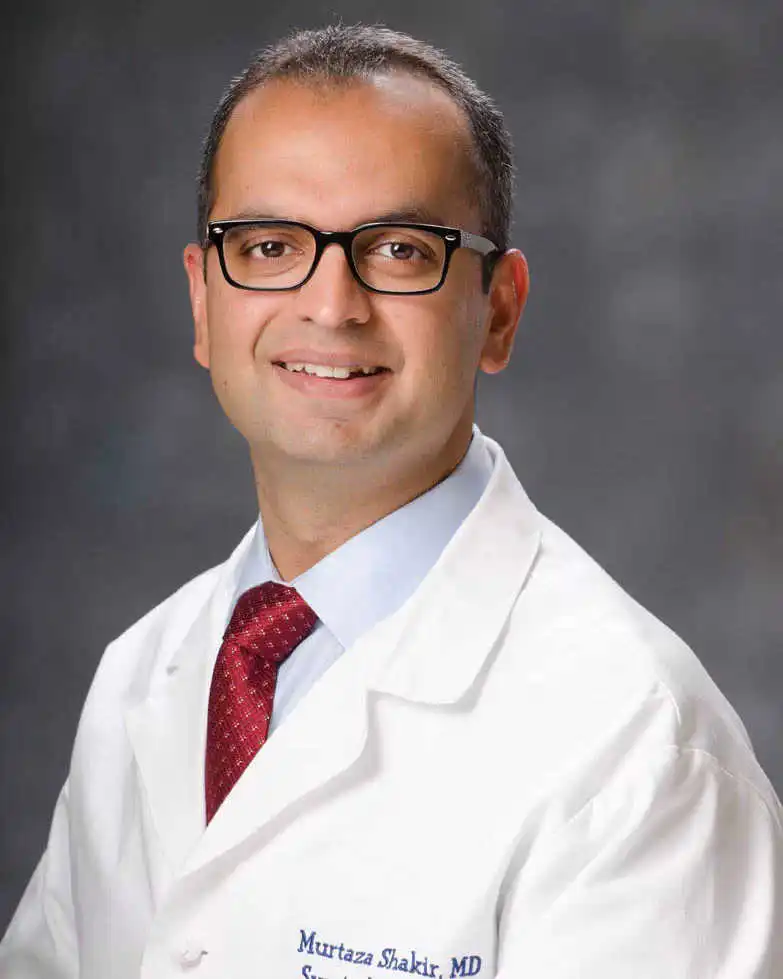
Meet the Surgeon
Dr. Murtaza Shakir is a board-certified General Surgeon and is board certified in Complex General Surgical Oncology. He earned his medical degree at Aga Khan University, completed General Surgery residency at Riverside Methodist Hospital in Columbus, Ohio, and a two-year Surgical Oncology fellowship at the University of Pittsburgh Medical Center. He sees patients at Surgical Associates of Southern Texas in Katy and Sugar Land.
Related Reading and Care
Schedule a Liver Cancer Consultation
Have your imaging and treatment options reviewed by Dr. Shakir at our Katy or Sugar Land office.
This page provides general information and is not a substitute for medical advice. For severe abdominal pain or other emergencies, call 911 or go to the nearest emergency room. Last updated October 16, 2026.