 EN
 ES
 UR
 HI

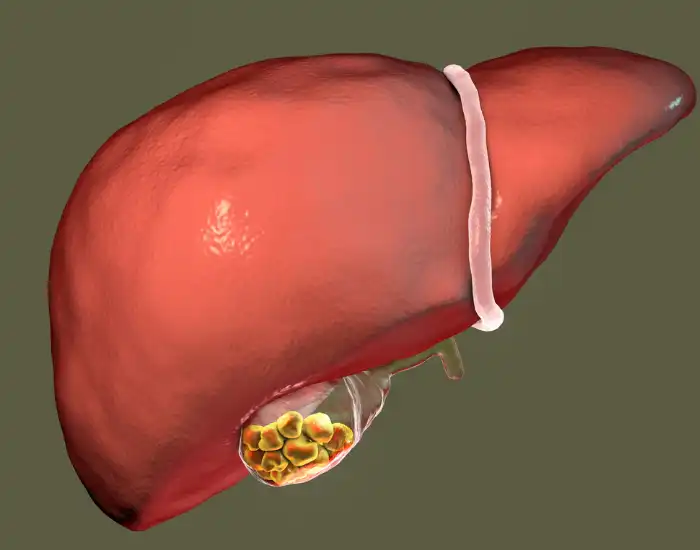
Told you have gallstones?
Find out whether yours need treatment with board-certified general surgeon Dr. Murtaza Shakir in Katy or Sugar Land. Call (713) 955-9191, or send your details and our team will call you back.
THE SHORT ANSWER
No. Gallstones that cause no symptoms, often called silent gallstones, usually do not need surgery and can simply be watched. Surgery to remove the gallbladder is usually recommended once gallstones cause pain attacks or complications such as inflammation, infection, blocked bile flow or pancreatitis. A surgical evaluation sorts out which group you are in.
What Are Gallstones?
Gallstones are hard, pebble-like deposits that form inside the gallbladder, usually from cholesterol or bilirubin in the bile. They develop when bile contains too much of these substances or when the gallbladder does not empty properly, and they can range from the size of a grain of sand to a golf ball.
Gallstones are very common and can affect people of many ages. The National Institute of Diabetes and Digestive and Kidney Diseases estimates that about 10 to 15 percent of people in the United States have them. Some people have a single stone, while others have many. Gallstones are often found by chance on imaging tests done for unrelated reasons. For an overview, see gallstones: symptoms and treatment.
Do Gallstones Always Cause Symptoms?
No. Many people have gallstones and never know it. These are called silent gallstones, and a review in the Cleveland Clinic Journal of Medicine notes that up to 80 percent of gallstones cause no symptoms. Silent gallstones do not interfere with digestion and do not cause pain.
Symptoms appear when a gallstone blocks one of the ducts that drain bile. That can cause:
- Pain in the upper right abdomen, sometimes lasting several hours
- Nausea and vomiting
- Discomfort after eating, especially after fatty or heavy meals
Whether gallstones need surgery depends largely on whether they cause symptoms. Learn to recognize gallbladder attack symptoms.
When Do Gallstones Not Need Surgery?
Gallstones usually do not need surgery when they cause no symptoms and there is no sign of inflammation, infection or blockage. Current guidelines do not recommend removing the gallbladder for gallstones that are not causing symptoms.
Surgery may not be needed if:
- The gallstones are not causing pain or digestive problems
- There is no infection or inflammation
- The gallbladder appears to be working normally
- Any symptoms are mild, infrequent and not clearly from the gallbladder
In these situations, a watch-and-wait approach is often used. Your doctor monitors your condition and recommends treatment only if symptoms develop or complications appear. Watching is an active plan: you should know which symptoms mean it is time to call.
When Is Surgery Recommended for Gallstones?
Surgery is usually recommended once gallstones cause repeated symptoms or complications, because attacks tend to come back and can lead to more serious problems. Surgery may be advised if you have:
- Frequent gallbladder pain after eating
- Gallbladder inflammation (cholecystitis)
- Infection of the bile ducts
- Pancreatitis caused by gallstones
- Gallstones blocking the flow of bile
In these cases, removing the gallbladder relieves symptoms and prevents future attacks. Laparoscopic gallbladder removal is the standard treatment for gallstones that cause symptoms, as well as for acute cholecystitis and gallstone pancreatitis. If a stone is stuck in the main bile duct, a procedure called ERCP may be used to remove it, usually along with gallbladder removal.
Gallstones on Your Ultrasound?
Board-certified general surgeon Dr. Murtaza Shakir can review your imaging and symptoms and tell you whether watching or surgery makes sense. Request a visit in Katy or Sugar Land.
How Do Surgeons Decide Whether Your Gallstones Need Surgery?
Surgeons decide by matching your symptoms to the imaging and blood tests, then weighing your overall health and your risk of complications. The finding of gallstones alone is not enough to recommend an operation.
- Your symptom pattern: where the pain is, how long it lasts, whether it follows meals and how often it happens.
- Ultrasound findings: the number and size of stones, and whether the gallbladder wall is thickened or inflamed.
- Blood tests: liver tests and pancreas enzymes can show a blocked duct or pancreatitis.
- Your history: prior ER visits, episodes of jaundice or pancreatitis, and other medical conditions.
- Your surgical risk: heart, lung and other health problems that affect the timing and safety of surgery.
If your pain does not fit the gallbladder, the surgeon may look for another cause before recommending surgery. If it clearly does, removing the gallbladder is usually the most effective way to relieve symptoms and prevent future problems.
What Types of Gallbladder Surgery Are There?
The standard treatment for gallstones that cause symptoms is removal of the gallbladder, called a cholecystectomy. It is widely performed and considered safe for most patients.
- Laparoscopic cholecystectomy: a minimally invasive operation using small incisions and a camera. Recovery is usually faster, and many patients go home the same day.
- Open cholecystectomy: a traditional operation through a larger incision, used for more complex cases such as a badly inflamed or scarred gallbladder.
At Surgical Associates of Southern Texas, gallbladder surgery is performed with laparoscopic and robotic techniques. After surgery, bile flows directly from the liver into the small intestine, and most people digest food normally. Read more about laparoscopic gallbladder removal.
Are There Nonsurgical Treatments for Gallstones?
Nonsurgical treatments exist, but they are used only in special situations and do not offer a permanent cure. Gallstones usually do not go away on their own.
- Lifestyle changes: eating smaller, balanced meals, limiting fatty or fried foods, eating more fiber, staying active and keeping a healthy weight may ease symptoms and lower the chance of attacks. They cannot remove existing stones.
- Medicines that dissolve stones: bile acid pills such as ursodiol work best on small cholesterol stones and may take months or years. They are not suitable for most patients.
- Shock wave lithotripsy: breaking stones with sound waves is rarely used.
The National Institute of Diabetes and Digestive and Kidney Diseases notes that gallstones can return even after nonsurgical treatment, which is why these options are mainly for people who cannot safely have surgery. They do not replace surgery when surgery is needed.
What Happens If Symptomatic Gallstones Are Left Untreated?
Gallstones that already cause symptoms tend to cause more problems over time. Silent gallstones may never need treatment, but symptomatic gallstones should not be ignored. Possible complications include:
- Chronic inflammation of the gallbladder, with ongoing pain
- Acute cholecystitis, a sudden, painful inflammation or infection
- Infection of the bile ducts or liver
- Gallstone pancreatitis
- Rarely, a gallbladder that ruptures from severe inflammation
When is it an emergency? Seek care right away if you have abdominal pain lasting several hours, nausea and vomiting, fever or chills, yellowing of the skin or eyes, or tea-colored urine and light-colored stools. Go to the nearest emergency room or call 911. If the ER finds gallstones, read what happens next after gallstones are found in the ER.
How Can Patients in Katy, Sugar Land and Houston Get Gallstones Evaluated?
Book a surgical consultation and bring the imaging report that found your gallstones, along with any blood tests and ER records. Whether your stones were found by chance or after an attack, the surgeon can tell you whether to watch them or plan surgery.
- Request your ultrasound or CT report from the facility that did the scan
- Keep a simple log of any pain episodes: date, timing, length and what you ate
- Bring a list of your medications and medical conditions
Surgical Associates of Southern Texas offers evaluation and treatment of gallstones for patients from across the Houston area, with offices in Katy and Sugar Land. Learn more about gallbladder surgery or call (713) 955-9191.
Questions to Ask Your Surgeon About Gallstones
- Are my gallstones causing my symptoms, or could something else explain them?
- Is it safe to watch my gallstones, and what should make me call you?
- Do my tests show inflammation, a blocked duct or pancreatitis?
- If you recommend surgery, how soon should it be done?
- Would my operation be laparoscopic or robotic, and when might it need to be open?
- Am I a candidate for any nonsurgical treatment, and what are its limits?
Frequently Asked Questions
Can gallstones go away without surgery?
Gallstones usually do not disappear on their own. Silent gallstones, however, may never cause problems and often need no treatment.
Is surgery the only permanent treatment for gallstones?
Yes. Removing the gallbladder is the most effective long-term solution for gallstones that cause symptoms, because stones can come back after nonsurgical treatments.
Can medication dissolve gallstones?
In limited cases, yes. Medicines such as ursodiol can slowly dissolve small cholesterol stones, but treatment may take months or years, stones can return, and the approach is not suitable for most patients.
What happens if gallstones are left untreated?
Silent gallstones may never cause trouble. Untreated gallstones that already cause symptoms can lead to inflammation, infection of the gallbladder or bile ducts, pancreatitis or other serious complications.
Can you live a normal life without a gallbladder?
Yes. Most people live normal, healthy lives after gallbladder removal, because bile still flows from the liver into the intestine.
Key Takeaway
Gallstones do not always need surgery: silent gallstones can usually be watched. When gallstones cause pain attacks or complications such as inflammation, infection or pancreatitis, removing the gallbladder is usually the safest and most effective treatment, and pain lasting hours with fever or jaundice needs emergency care.
Sources and Further Reading
- Definition & Facts for Gallstones, National Institute of Diabetes and Digestive and Kidney Diseases (NIDDK)
- Symptoms & Causes of Gallstones, National Institute of Diabetes and Digestive and Kidney Diseases (NIDDK)
- Treatment for Gallstones, National Institute of Diabetes and Digestive and Kidney Diseases (NIDDK)
- Gallstones: Watch and Wait, or Intervene? Cleveland Clinic Journal of Medicine (PubMed)
This article is general education, not personal medical advice. For severe abdominal pain, fever with abdominal pain, heavy bleeding, or yellowing of the skin or eyes, seek emergency care.

Meet the Surgeon
Dr. Murtaza Shakir is a board-certified General Surgeon and is board certified in Complex General Surgical Oncology. He earned his medical degree at Aga Khan University, completed General Surgery residency at Riverside Methodist Hospital in Columbus, Ohio, and a two-year Surgical Oncology fellowship at the University of Pittsburgh Medical Center. He sees patients at Surgical Associates of Southern Texas in Katy and Sugar Land.
Related Reading and Care
Schedule a Gallstone Evaluation
Bring your imaging to our Katy or Sugar Land office and find out whether your gallstones need treatment.
This page provides general information and is not a substitute for medical advice. For severe abdominal pain or other emergencies, call 911 or go to the nearest emergency room. Last updated October 16, 2026.