
Laparoscopic Reflux Surgery • Patient Education
Laparoscopic Reflux Surgery Recovery: What to Expect and How to Heal Fast
Laparoscopic surgery is a minimally invasive approach often used to treat gastroesophageal reflux disease (GERD) when medications and lifestyle changes are not enough. One of the most common concerns for patients considering this procedure is laparoscopic reflux surgery recovery—how long it takes, what to expect, and how to ensure a smooth healing process.
Understanding the recovery process is crucial for both physical healing and managing expectations. This article provides a comprehensive guide to recovery after laparoscopic reflux surgery, including tips, timelines, potential complications, and steps to promote optimal healing.
By Surgical Associates of Southern Texas · Katy and Sugar Land, TX · January 2026
On This Page
Symptoms that won’t settle? Get a clear answer.
Consult with Dr. Murtaza Shakir, board-certified general surgeon. Call now, or send us your details and our team will call you back.
What You’ll Learn
- What Is Laparoscopic Reflux Surgery?
- What to Expect Immediately After Surgery
- Typical Recovery Timeline
- Diet and Nutrition During Recovery
- Activity and Lifestyle Guidelines
What Is Laparoscopic Reflux Surgery?
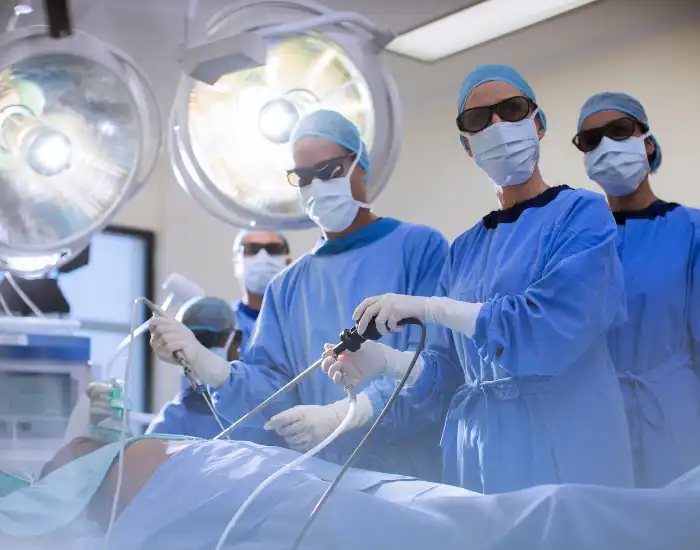
Laparoscopic reflux surgery, commonly called laparoscopic fundoplication, is a procedure designed to strengthen the lower esophageal sphincter (LES) to prevent acid reflux. Unlike traditional open surgery, laparoscopic surgery uses small incisions, specialized instruments, and a camera to perform the operation.
The benefits of this minimally invasive approach include:
- Reduced post-operative pain
- Shorter hospital stays
- Faster recovery
- Smaller scars
Laparoscopic fundoplication is often recommended for patients with chronic GERD who do not respond well to medications or who experience complications such as esophagitis or Barrett’s esophagus.
What to Expect Immediately After Surgery
Immediately following laparoscopic reflux surgery, patients are typically monitored in a recovery room for a few hours to ensure stability. It is common to experience mild to moderate abdominal discomfort or bloating, a sore throat from anesthesia or intubation, fatigue, drowsiness, and occasionally nausea or mild difficulty swallowing. Most patients are encouraged to begin gentle movement and walking within hours after surgery, which helps reduce the risk of blood clots and improves circulation. Pain is usually managed with prescribed oral medications, and many patients are able to return home within one to two days, depending on their overall health and individual response to the procedure.
Typical Recovery Timeline
Recovery after laparoscopic reflux surgery is gradual and varies from person to person. During the first week, the focus is on rest, gentle walking, and managing pain while avoiding heavy lifting or strenuous activity. In weeks two and three, patients can gradually increase their activity levels, though mild swallowing difficulty may still be present, and strenuous exercise should still be avoided. By weeks four to six, most patients can resume normal daily activities, including light exercise, and many begin to experience significant relief from GERD symptoms. Full recovery is often achieved by weeks six to eight, allowing patients to return to all normal activities, provided they continue to follow the post-operative guidelines recommended by their surgeon.
Diet and Nutrition During Recovery
Recovery after laparoscopic reflux surgery is gradual and varies from person to person. During the first week, the focus is on rest, gentle walking, and managing pain while avoiding heavy lifting or strenuous activity. In weeks two and three, patients can gradually increase their activity levels, though mild swallowing difficulty may still be present, and strenuous exercise should still be avoided. By weeks four to six, most patients can resume normal daily activities, including light exercise, and many begin to experience significant relief from GERD symptoms. Full recovery is often achieved by weeks six to eight, allowing patients to return to all normal activities, provided they continue to follow the post-operative guidelines recommended by their surgeon.
Key Takeaway So Far
So far we have covered what is laparoscopic reflux surgery, what to expect immediately after surgery, typical recovery timeline, and more. Next, we look at activity and lifestyle guidelines, potential complications and warning signs, final thoughts, followed by answers to common questions.
Activity and Lifestyle Guidelines
While recovery is underway, certain lifestyle adjustments are important:
- Avoid heavy lifting or strenuous activity for at least 4–6 weeks
- Walk regularly to maintain circulation and prevent blood clots
- Sleep with head elevated for the first few weeks to reduce reflux risk
- Follow post-operative instructions regarding medications and wound care
- Attend follow-up appointments to monitor healing and address any concerns
These steps can significantly improve recovery outcomes and help patients return to normal life safely.
Potential Complications and Warning Signs
Although laparoscopic reflux surgery is generally safe, patients should be aware of potential complications, which may include:
- Difficulty swallowing that persists beyond a few weeks
- Persistent nausea or vomiting
- Fever, redness, or swelling at incision sites
- Chest or abdominal pain that worsens over time
- Signs of infection or bleeding
If any of these symptoms occur, it is important to contact a healthcare provider immediately. Early intervention can prevent more serious complications and ensure a smoother recovery.
Final Thoughts
Laparoscopic reflux surgery recovery is a gradual process that requires careful attention to diet, activity, and follow-up care. With proper management, patients often experience long-term relief from GERD symptoms and can return to normal activities safely.
If you are considering laparoscopic reflux surgery or want guidance on recovery, Surgical Associates of Southern Texas provides expert care and personalized support to ensure the best possible outcomes.
Disclaimer: This article is for informational purposes only and is not a substitute for professional medical advice. Always consult a healthcare provider for diagnosis or treatment of GERD or post-surgical care.
Frequently Asked Questions
Q1: How long does laparoscopic reflux surgery recovery take?
A1: Most patients achieve full recovery within 6–8 weeks, though activity and diet guidelines should be followed closely.
Q2: Will GERD symptoms go away immediately after surgery?
A2: Many patients notice significant improvement, but mild symptoms may persist for a few weeks as the body adjusts.
Q3: Can I eat normally after laparoscopic reflux surgery?
A3: Diet should start with liquids and soft foods, gradually progressing to solids based on your surgeon’s recommendations.
Q4: When can I return to exercise?
A4: Light activity can usually resume after 2–3 weeks, while heavy lifting should be avoided for 4–6 weeks.
Q5: Is laparoscopic reflux surgery painful?
A5: Most patients experience mild to moderate discomfort, which is manageable with prescribed pain medication.
Need Help With These Symptoms?
If your symptoms are persistent, worsening, or affecting daily life, a surgical evaluation can help determine the cause and whether treatment may be appropriate. Dr. Murtaza Shakir sees patients at the Katy and Sugar Land offices.
Medical Disclaimer
This article is intended for general educational purposes only and is not a substitute for professional medical advice, diagnosis, or treatment. Symptoms can have many possible causes, and treatment decisions should be based on an individual medical evaluation. If you are experiencing severe or rapidly worsening symptoms, seek prompt medical attention. For a medical emergency, call 911 or go to the nearest emergency department.
References
- National Institute of Diabetes and Digestive and Kidney Diseases (NIDDK). Acid Reflux (GER & GERD) in Adults. niddk.nih.gov.
- Katz PO, Dunbar KB, Schnoll-Sussman FH, et al.. ACG Clinical Guideline for the Diagnosis and Management of Gastroesophageal Reflux Disease. American Journal of Gastroenterology. 2022;117(1):27–56.
- Society of American Gastrointestinal and Endoscopic Surgeons (SAGES). Guidelines for the Surgical Treatment of Gastroesophageal Reflux (GERD) and Management of Hiatal Hernia. sages.org.
- Mayo Clinic. Gastroesophageal reflux disease (GERD): Symptoms and causes. mayoclinic.org.
Your Surgeon
About the Physician
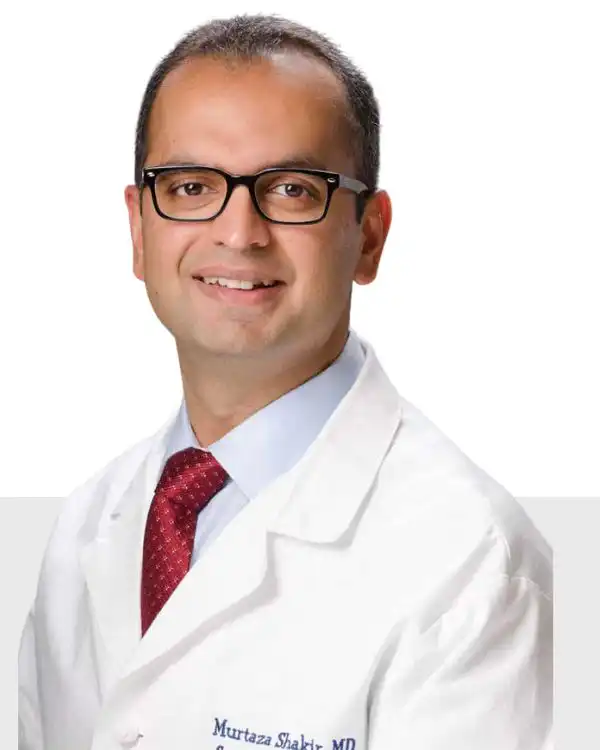
Murtaza Shakir, MD
Dr. Murtaza Shakir is a board-certified General Surgeon and is board certified in Complex General Surgical Oncology. He earned his medical degree at Aga Khan University, completed General Surgery residency at Riverside Methodist Hospital in Columbus, Ohio, and a two-year Surgical Oncology fellowship at the University of Pittsburgh Medical Center.
He evaluates and treats patients at Surgical Associates of Southern Texas in Katy and Sugar Land.
Board certified by the American Board of Surgery in:
- General Surgery
- Complex General Surgical Oncology
Surgical focus:
- Hernia repair: open, laparoscopic, and robotic
- Gallbladder surgery: laparoscopic and robotic
- General surgery
- Surgical oncology
Recognized by Houstonia Magazine among Houston’s top general surgeons. Learn more about general surgery.