
Gallbladder • Patient Education
Symptoms of Acute Cholecystitis
Acute cholecystitis is the sudden inflammation of the gallbladder, usually caused by a gallstone blocking the bile duct. This condition can lead to serious complications if not treated promptly. Recognizing the symptoms of acute cholecystitis early is crucial for timely medical care. While some signs may be obvious, others can be subtle or mistaken for other digestive issues. This article explores the symptoms, risk factors, and when to seek medical attention.
By Surgical Associates of Southern Texas · Katy and Sugar Land, TX · January 2026
On This Page
Pain after meals that keeps coming back? Get it checked.
Consult with Dr. Murtaza Shakir, board-certified general surgeon. Call now, or send us your details and our team will call you back.
What You’ll Learn
- What Is Acute Cholecystitis?
- Causes and Risk Factors
- Common Symptoms of Acute Cholecystitis
- Pain-Related Symptoms
- Digestive and Systemic Symptoms
What Is Acute Cholecystitis?
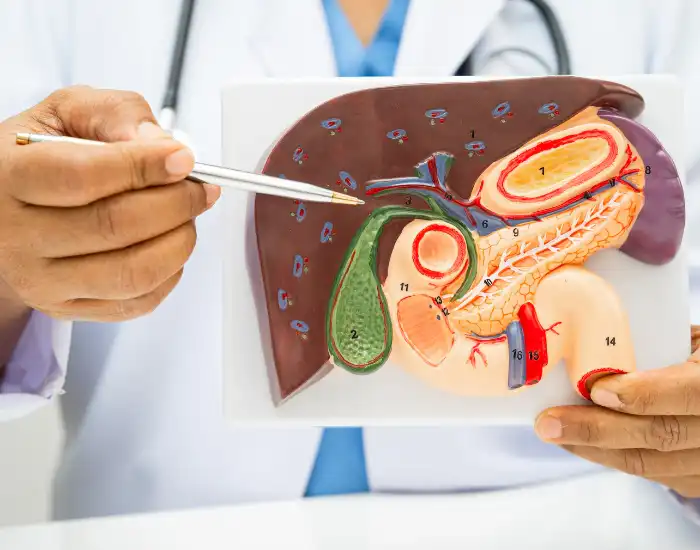
Acute cholecystitis occurs when the gallbladder becomes inflamed, most commonly due to a blockage from gallstones. The gallbladder is a small organ located beneath the liver that stores bile, which aids in digestion. When the flow of bile is obstructed, pressure builds up inside the gallbladder, leading to inflammation, pain, and sometimes infection. If left untreated, acute cholecystitis can cause serious complications, including rupture or systemic infection.
Causes and Risk Factors
The primary cause of acute cholecystitis is gallstones, which block the normal flow of bile. Other factors may include bile duct problems, tumors, infections, or certain medical procedures. Individuals with risk factors such as obesity, rapid weight loss, pregnancy, or a family history of gallstones may be more susceptible to developing acute cholecystitis. Understanding these risk factors helps identify who should be especially vigilant about early symptoms.
Common Symptoms of Acute Cholecystitis
Acute cholecystitis often develops suddenly and is characterized by multiple symptoms that can affect digestion, energy levels, and overall comfort. The severity of symptoms can vary depending on the individual and the underlying cause of the inflammation.
Common symptoms include:
- Sudden, intense pain in the upper right abdomen
- Pain that may radiate to the right shoulder or back
- Nausea and vomiting
- Fever or chills
- Loss of appetite
Recognizing these symptoms early can help prevent complications and ensure prompt medical intervention.
Digestive and Systemic Symptoms
Acute cholecystitis often affects not only the gallbladder but also the digestive system and overall body function. Alongside pain, individuals may experience nausea, vomiting, bloating, or a persistent loss of appetite. These digestive symptoms occur because the inflamed gallbladder interferes with the normal flow of bile, which is essential for breaking down fats and aiding digestion. In some cases, mild jaundice may appear, characterized by yellowing of the skin or eyes, signaling that bile is backing up into the bloodstream. Low-grade fever or chills may also develop as the body responds to inflammation or potential infection. Additional systemic effects can include fatigue, weakness, and general discomfort, reflecting the body’s ongoing immune response. These symptoms often serve as important clues that acute cholecystitis is present and require prompt evaluation by a healthcare professional to prevent complications.
Key Takeaway So Far
So far we have covered what is acute cholecystitis, causes and risk factors, common symptoms of acute cholecystitis, and more. Next, we look at who is at higher risk, when to seek medical care, complications of untreated acute cholecystitis.
Who Is at Higher Risk?
Certain individuals are more likely to develop acute cholecystitis due to underlying conditions or lifestyle factors. High-risk groups include:
- People with gallstones or a history of gallbladder disease
- Individuals who are overweight or obese
- Women, especially those who are pregnant or on hormonal therapy
- Older adults
- People with diabetes or certain digestive disorders
Being aware of these risk factors can encourage early monitoring and timely medical care if symptoms arise.
When to Seek Medical Care
Immediate medical attention is necessary if you experience sudden or severe abdominal pain, persistent nausea or vomiting, fever, or jaundice. Prompt evaluation by a healthcare provider ensures that acute cholecystitis is diagnosed and treated before complications occur. Diagnostic tests may include blood work, ultrasound, CT scans, or other imaging studies to assess the gallbladder and bile ducts.
Complications of Untreated Acute Cholecystitis
If left untreated, acute cholecystitis can lead to serious complications, including:
- Gallbladder rupture, which can cause severe infection in the abdominal cavity
- Abscess formation in or around the gallbladder
- Spread of infection to other organs (sepsis)
- Chronic gallbladder inflammation and digestive problems
Early recognition and treatment significantly reduce the risk of these complications.
Final Thoughts
Acute cholecystitis is a sudden, potentially serious condition that requires prompt attention. Recognizing the symptoms of acute cholecystitis, understanding risk factors, and seeking medical care early are essential steps in preventing complications and ensuring effective treatment.
If you experience symptoms such as severe abdominal pain, nausea, fever, or jaundice, contact Surgical Associates of Southern Texas promptly. Their expert team can provide accurate diagnosis, treatment guidance, and compassionate care to help manage acute cholecystitis safely and effectively.
Disclaimer: This article is intended for informational purposes only and is not a substitute for professional medical advice, diagnosis, or treatment. Always consult a qualified healthcare provider for any health concerns.
Having Recurring Gallbladder Pain?
If your symptoms are persistent, worsening, or affecting daily life, a surgical evaluation can help determine the cause and whether treatment may be appropriate. Dr. Murtaza Shakir sees patients at the Katy and Sugar Land offices.
Medical Disclaimer
This article is intended for general educational purposes only and is not a substitute for professional medical advice, diagnosis, or treatment. Symptoms can have many possible causes, and treatment decisions should be based on an individual medical evaluation. If you are experiencing severe or rapidly worsening symptoms, seek prompt medical attention. For a medical emergency, call 911 or go to the nearest emergency department.
References
- National Institute of Diabetes and Digestive and Kidney Diseases (NIDDK). Gallstones: Symptoms and Causes. niddk.nih.gov.
- Mayo Clinic. Gallstones: Symptoms and causes. mayoclinic.org.
- American College of Surgeons. Cholecystectomy: Surgical Removal of the Gallbladder (Patient Education Brochure). facs.org.
- Cleveland Clinic. Laparoscopic Cholecystectomy (Gallbladder Removal). my.clevelandclinic.org.
- Ibrahim M, Sarvepalli S, Morris-Stiff G, et al.. Gallstones: Watch and wait, or intervene?. Cleveland Clinic Journal of Medicine. 2018;85(4):323–331.

Your Surgeon
About the Physician
Murtaza Shakir, MD
Dr. Murtaza Shakir is a board-certified General Surgeon and is board certified in Complex General Surgical Oncology. He earned his medical degree at Aga Khan University, completed General Surgery residency at Riverside Methodist Hospital in Columbus, Ohio, and a two-year Surgical Oncology fellowship at the University of Pittsburgh Medical Center.
He evaluates and treats patients at Surgical Associates of Southern Texas in Katy and Sugar Land.
Board certified by the American Board of Surgery in:
- General Surgery
- Complex General Surgical Oncology
Surgical focus:
- Hernia repair: open, laparoscopic, and robotic
- Gallbladder surgery: laparoscopic and robotic
- General surgery
- Surgical oncology
Recognized by Houstonia Magazine among Houston’s top general surgeons. Learn more about gallbladder surgery.