
Hernia • Patient Education
Incisional Hernia After Surgery: Causes, Symptoms, and Treatment Options
Noticing a bulge along a surgical scar can be alarming. Many patients wonder if this is normal post-operative swelling or something more serious. An incisional hernia after surgery occurs when tissue, often part of the intestine or fatty tissue, pushes through a weakened area in the abdominal wall at the site of a previous incision. Understanding this condition, recognizing the signs, and exploring treatment options can help patients feel informed and empowered to seek timely care.
Questions such as “why is there a bulge after surgery scar?” “what are the symptoms of an incisional hernia after surgery?” or “can hernias develop after a C-section?” are common. Early awareness of an incisional hernia after surgery ensures that patients can access appropriate evaluation and treatment, preventing complications and improving outcomes.
By Surgical Associates of Southern Texas · Katy and Sugar Land, TX · February 2026
On This Page
- What Is an Incisional Hernia After Surgery?
- Recognizing Symptoms of an Incisional Hernia After Surgery
- When to Seek Urgent Medical Attention
- Diagnosing an Incisional Hernia After Surgery
- Causes of Incisional Hernia After Surgery
- Treatment Options for Incisional Hernia After Surgery
- Recovery After Incisional Hernia Surgery
- Lifestyle Considerations After Repair
- Choosing the Right Surgeon
- Final Thoughts

Pain that won’t settle? Don’t guess — get it checked.
Consult with Dr. Murtaza Shakir, board-certified general surgeon. Call now, or send us your details and our team will call you back.
What You’ll Learn
- What Is an Incisional Hernia After Surgery?
- Recognizing Symptoms of an Incisional Hernia After Surgery
- When to Seek Urgent Medical Attention
- Diagnosing an Incisional Hernia After Surgery
- Causes of Incisional Hernia After Surgery
What Is an Incisional Hernia After Surgery?
An incisional hernia after surgery develops when the abdominal wall fails to fully heal after a previous operation, creating a weak spot through which internal tissue can protrude. Unlike hernias that appear spontaneously, this type specifically occurs at or near prior surgical scars.
Common risk factors for an incisional hernia after surgery include:
-
Major abdominal surgeries such as appendectomy, bowel resection, or hysterectomy
-
C-section or gynecologic procedures
-
Post-operative infections that weaken the incision site
-
Poor wound healing due to diabetes, smoking, or corticosteroid use
-
Obesity or significant weight gain that increases abdominal pressure
-
Repetitive straining from coughing, lifting, or constipation
Recognizing these risk factors helps patients understand why hernias may develop after surgery and why timely intervention is important.
Recognizing Symptoms of an Incisional Hernia After Surgery
Symptoms of an incisional hernia after surgery can vary in severity. Patients often notice:
-
Visible bulge or swelling at or near a surgical scar, especially when standing or straining
-
Aching or discomfort along the incision site
-
Pressure or heaviness in the abdomen
-
Digestive changes, such as bloating, mild nausea, or changes in bowel habits
-
Tenderness, redness, or warmth if complications such as incarceration occur
Some hernias may be small and painless, but even minor bulges should be evaluated to prevent progression.
When to Seek Urgent Medical Attention
While many incisional hernias after surgery can be addressed electively, certain symptoms signal the need for immediate care:
-
Sudden, severe pain at the surgical site
-
Redness, warmth, or swelling that worsens rapidly
-
Nausea, vomiting, or inability to pass gas or stool
-
Bulge that cannot be gently pushed back in
These signs may indicate incarceration or strangulation, both of which require emergency surgical intervention. Prompt evaluation by a surgeon is critical to avoid complications.
Diagnosing an Incisional Hernia After Surgery
Evaluation begins with a careful physical exam. A surgeon will assess:
-
Size and location of the bulge
-
Tenderness, redness, or other signs of infection
-
Reducibility of the hernia (whether it can be pushed back in)
-
Changes in the abdominal wall with movement or straining
Imaging studies, such as ultrasound or CT scan, may be used for confirmation, especially in patients with obesity or complex surgical histories. Proper diagnosis ensures that the treatment plan addresses the hernia effectively and safely.
Causes of Incisional Hernia After Surgery
Understanding why an incisional hernia after surgery develops helps in both prevention and treatment:
-
Surgical technique: Inadequate closure or excessive tension on the incision increases risk
-
Wound complications: Infection, fluid accumulation, or delayed healing can weaken the site
-
Patient-related factors: Obesity, chronic cough, or diabetes interfere with proper tissue healing
-
Repeated surgery at the same site: Additional operations in the same area elevate risk
By recognizing these causes, patients and surgeons can take steps to minimize recurrence after repair.
Key Takeaway So Far
So far we have covered what is an incisional hernia after surgery, recognizing symptoms of an incisional hernia after surgery, when to seek urgent medical attention, and more. Next, we look at treatment options for incisional hernia after surgery, recovery after incisional hernia surgery, lifestyle considerations after repair.
Treatment Options for Incisional Hernia After Surgery
Management depends on hernia size, symptoms, and overall patient health.
Non-Surgical Management
-
Watchful waiting: Small, asymptomatic hernias may be monitored, especially in patients at higher surgical risk
-
Lifestyle modifications: Maintaining a healthy weight, avoiding heavy lifting, and managing chronic cough
-
Supportive devices: Hernia belts or abdominal binders can relieve discomfort but do not repair the hernia
Non-surgical management is generally a temporary solution and does not prevent complications or future enlargement.
Surgical Repair
Surgery is the definitive treatment for an incisional hernia after surgery, particularly when the hernia is symptomatic or enlarging. Modern techniques aim to reduce recurrence and speed recovery:
-
Open repair: Direct incision over the hernia, returning tissue to the abdominal cavity, and reinforcing the wall with sutures or mesh
-
Laparoscopic repair: Minimally invasive surgery using small incisions and a camera for repair, reducing pain and recovery time
-
Robotic-assisted repair: Provides enhanced precision and visualization, often resulting in smaller incisions, faster healing, and reduced post-operative discomfort
Choosing the appropriate approach depends on hernia complexity, prior surgical history, and patient health factors.
Recovery After Incisional Hernia Surgery
Recovery timelines vary, but general guidance includes:
-
Returning to light activities within a few days
-
Avoiding heavy lifting or straining for 4–6 weeks
-
Following surgeon-specific post-operative instructions to minimize infection or recurrence
-
Monitoring for swelling, pain, or new bulges
Patients undergoing laparoscopic or robotic repair often experience faster recovery, smaller scars, and less post-operative discomfort.
Lifestyle Considerations After Repair
Supporting abdominal health post-surgery helps prevent recurrence:
-
Maintain a healthy weight to reduce abdominal pressure
-
Engage in guided core-strengthening exercises
-
Avoid sudden heavy lifting or straining
-
Manage chronic cough or respiratory conditions
-
Treat constipation promptly to avoid straining
Lifestyle modifications complement surgical repair and improve long-term outcomes.
Choosing the Right Surgeon
An incisional hernia after surgery is best managed by a general surgeon experienced in abdominal wall reconstruction. Patients searching for a hernia surgeon near me should consider:
-
Board certification and expertise in abdominal wall repair
-
Experience with laparoscopic and robotic hernia techniques
-
Individualized treatment plans with clear communication
-
Comprehensive post-operative care and follow-up
Selecting a skilled surgeon ensures optimal outcomes, reduces complication risks, and provides confidence throughout recovery.
Final Thoughts
An incisional hernia after surgery is a common complication, particularly following abdominal procedures, C-sections, or surgeries with prolonged healing. Recognizing symptoms early, understanding the causes, and consulting a qualified surgeon can prevent serious complications and improve quality of life. Modern surgical techniques, including minimally invasive and robotic repairs, offer durable results, smaller scars, and faster recovery.
Patients noticing bulging along a surgical scar or experiencing discomfort should seek evaluation promptly. Timely care ensures the hernia is addressed safely, restoring comfort and abdominal strength.
If you notice a bulge or discomfort along a surgical scar, consult a general surgeon for evaluation. Surgical Associates of Southern Texas provides advanced treatment for incisional hernia after surgery, including minimally invasive and robotic hernia surgery. Searching for a hernia specialist in Houston, Katy, or Sugar Land? Schedule a consultation today to explore safe, effective repair and recovery options.
Medical Disclaimer: This content is for educational purposes only and does not replace professional medical advice. Always consult a qualified healthcare provider regarding diagnosis or treatment.
Concerned About Hernia Symptoms?
If your symptoms are persistent, worsening, or affecting daily life, a surgical evaluation can help determine the cause and whether treatment may be appropriate. Dr. Murtaza Shakir sees patients at the Katy and Sugar Land offices.
Medical Disclaimer
This article is intended for general educational purposes only and is not a substitute for professional medical advice, diagnosis, or treatment. Symptoms can have many possible causes, and treatment decisions should be based on an individual medical evaluation. If you are experiencing severe or rapidly worsening symptoms, seek prompt medical attention. For a medical emergency, call 911 or go to the nearest emergency department.
References
- HerniaSurge Group. International guidelines for groin hernia management. Hernia. 2018;22(1):1–165.
- American College of Surgeons. Inguinal and Femoral Groin Hernia Repair: Surgical Patient Education Program. facs.org.
- National Institute of Diabetes and Digestive and Kidney Diseases (NIDDK). Inguinal Hernia: Symptoms, Causes, Diagnosis and Treatment. niddk.nih.gov.
- Society of American Gastrointestinal and Endoscopic Surgeons (SAGES). Guidelines for laparoscopic ventral hernia repair. sages.org.
- Mayo Clinic. Inguinal hernia: Symptoms and causes; Diagnosis and treatment. mayoclinic.org.
Your Surgeon
About the Physician
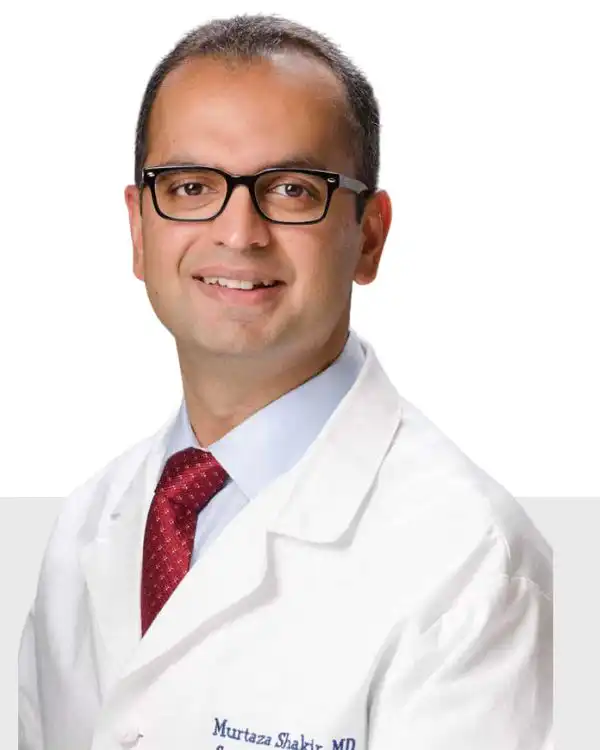
Murtaza Shakir, MD
Dr. Murtaza Shakir is a board-certified General Surgeon and is board certified in Complex General Surgical Oncology. He earned his medical degree at Aga Khan University, completed General Surgery residency at Riverside Methodist Hospital in Columbus, Ohio, and a two-year Surgical Oncology fellowship at the University of Pittsburgh Medical Center.
He evaluates and treats patients at Surgical Associates of Southern Texas in Katy and Sugar Land.
Board certified by the American Board of Surgery in:
- General Surgery
- Complex General Surgical Oncology
Surgical focus:
- Hernia repair: open, laparoscopic, and robotic
- Gallbladder surgery: laparoscopic and robotic
- General surgery
- Surgical oncology
Recognized by Houstonia Magazine among Houston’s top general surgeons. Learn more about hernia repair.