
Hernia • Patient Education
When Is Hernia Surgery Necessary? Signs, Risks, and Timing Explained
When is hernia surgery necessary is a question many adults face after noticing a bulge or discomfort in their abdomen or groin. While some hernias remain small and painless for years, others can grow or cause complications if left untreated. The uncertainty often leaves patients wondering whether they can safely wait, manage symptoms at home, or if timely surgical intervention is the safest option.
Understanding when hernia surgery is necessary goes beyond simply looking for pain. Factors such as the hernia’s size, location, rate of progression, and impact on daily life all play a critical role in determining the right course of action. Even hernias that are painless can present risks, including incarceration, strangulation, or interference with routine activities.
Early evaluation by an experienced surgeon ensures that patients receive personalized guidance, understand potential complications, and have access to modern treatment options like minimally invasive and robotic hernia surgery. Recognizing the signs, understanding the risks, and knowing the timing for surgical repair empowers patients to make informed decisions and maintain both health and quality of life.
By Surgical Associates of Southern Texas · Katy and Sugar Land, TX · February 2026
On This Page
- What Is a Hernia and How Does It Develop?
- When Is Hernia Surgery Necessary?
- Conservative Management: When Surgery Can Wait
- Surgical Options for Hernia Repair
- Who Is Best Suited to Perform Hernia Surgery
- Preparing for Hernia Surgery
- Recovery and Post-Operative Care
- Preventing Future Hernias
- Conclusion

Pain that won’t settle? Don’t guess — get it checked.
Consult with Dr. Murtaza Shakir, board-certified general surgeon. Call now, or send us your details and our team will call you back.
What You’ll Learn
- What Is a Hernia and How Does It Develop?
- When Is Hernia Surgery Necessary?
- Conservative Management: When Surgery Can Wait
- Surgical Options for Hernia Repair
- Who Is Best Suited to Perform Hernia Surgery
What Is a Hernia and How Does It Develop?
A hernia occurs when an organ or tissue pushes through a weakened section of the abdominal wall. The most common types include:
-
Inguinal hernia – Located in the groin, more frequent in men
-
Umbilical hernia – Near the belly button, can occur in both adults and infants
-
Incisional hernia – At the site of a previous surgical incision
-
Hiatal hernia – Upper abdomen, when part of the stomach pushes into the chest cavity
Hernias develop gradually, often influenced by factors such as heavy lifting, chronic coughing, obesity, or prior surgeries. While some remain asymptomatic, structural weakness rarely improves without surgical repair.
When Is Hernia Surgery Necessary?
Not all hernias require immediate surgical intervention, but there are clear signs that surgery is strongly recommended:
1. Increasing Size or Bulging
A hernia that grows larger over time indicates that the underlying tissue weakness is worsening. A noticeable or enlarging bulge may become uncomfortable, interfere with clothing, or cause cosmetic concerns.
2. Persistent or Worsening Discomfort
Pain, pressure, or a heavy feeling in the abdomen or groin during activity, bending, or lifting often signals that surgical repair should be considered. Even intermittent discomfort should not be ignored.
3. Symptoms of Complication
Certain symptoms indicate urgent medical evaluation and often immediate surgery:
-
Sudden, severe pain at the hernia site
-
Redness, tenderness, or swelling around the bulge
-
Nausea or vomiting
-
Inability to push the hernia back in (incarceration)
If left untreated, complications like strangulation—where blood flow to trapped tissue is cut off—can become life-threatening.
4. Interference With Daily Life
Even without severe pain, hernias that limit physical activity, prevent exercise, or restrict work and hobbies may benefit from surgical repair to restore quality of life.
Conservative Management: When Surgery Can Wait
Not every hernia requires immediate operation. In selected cases, especially for small, asymptomatic hernias, conservative strategies may be appropriate:
-
Observation – Monitoring the hernia for changes in size or symptoms
-
Lifestyle adjustments – Avoiding heavy lifting, managing weight, and strengthening core muscles
-
Supportive devices – Hernia belts or trusses may reduce discomfort temporarily
While these approaches can provide temporary relief, they do not correct the underlying weakness. Surgery remains the definitive treatment for long-term resolution.
Surgical Options for Hernia Repair
When surgery is indicated, modern techniques offer safe and effective repair with faster recovery and minimal discomfort.
1. Open Hernia Repair
This traditional approach involves a single incision at the hernia site. The surgeon pushes the protruding tissue back in place and reinforces the abdominal wall, often using a mesh patch. Open repair is particularly suitable for large hernias or recurrent cases.
2. Laparoscopic Hernia Repair
Laparoscopic surgery uses several small incisions and a camera to guide the repair. Benefits include:
-
Smaller scars
-
Reduced post-operative pain
-
Faster return to daily activities
3. Robotic Hernia Surgery
Robotic-assisted hernia repair provides enhanced precision and control, making it an excellent option for complex or recurrent hernias. Advantages include:
-
Greater surgical accuracy
-
Minimal tissue trauma
-
Shorter recovery time and improved cosmetic results
A surgeon will recommend the most appropriate method based on hernia type, patient health, and lifestyle considerations.
Who Is Best Suited to Perform Hernia Surgery
Hernias require evaluation and management by experienced specialists. Ideal providers include:
-
General surgeons – Skilled in all common hernia types and repair methods
-
Hernia surgeons – Focus on advanced, minimally invasive, and robotic techniques
-
Surgical oncologists – In cases where the hernia occurs near abnormal masses or prior surgical sites
Choosing a qualified surgeon ensures accurate diagnosis, appropriate treatment planning, and optimal outcomes.
Key Takeaway So Far
So far we have covered what is a hernia and how does it develop, when is hernia surgery necessary, conservative management: when surgery can wait, and more. Next, we look at preparing for hernia surgery, recovery and post-operative care, preventing future hernias.
Preparing for Hernia Surgery
Preparation helps ensure a smooth procedure and recovery:
-
Discuss medical history, medications, and prior surgeries with the surgeon
-
Follow pre-operative instructions, including fasting or medication adjustments
-
Arrange post-surgery support for transportation and home care
-
Maintain a healthy diet and hydration to support healing
Patients who understand the procedure and recovery plan often experience less anxiety and better outcomes.
Recovery and Post-Operative Care
Recovery varies depending on the surgical method:
-
Open repair – May require longer rest and limited lifting for several weeks
-
Laparoscopic or robotic repair – Often allows faster return to work and normal activities
Tips for recovery include:
-
Avoid heavy lifting or strenuous activity until cleared by the surgeon
-
Follow wound care instructions to prevent infection
-
Gradually resume physical activity as advised
-
Monitor for signs of complications such as redness, swelling, or fever
Modern minimally invasive techniques make recovery more manageable and allow patients to return to their routines sooner.
Preventing Future Hernias
Even after repair, taking steps to protect abdominal strength can reduce the risk of recurrence:
-
Practice proper lifting techniques
-
Maintain a healthy weight
-
Engage in core-strengthening exercises approved by a healthcare provider
-
Treat chronic cough, constipation, or other conditions that increase abdominal pressure
Proactive lifestyle measures support long-term surgical success and reduce the likelihood of additional hernias.
Conclusion
Understanding when hernia surgery is necessary is crucial for patient safety and well-being. Surgery is indicated when hernias enlarge, cause discomfort, risk complications, or interfere with daily life. Modern options like laparoscopic and robotic hernia repair provide safe, effective solutions with faster recovery and minimal discomfort. Early consultation with an experienced general surgeon or hernia specialist ensures accurate evaluation and personalized treatment planning, helping patients regain confidence and prevent emergencies.
If there are concerns about a hernia or questions regarding when hernia surgery is necessary, contacting a skilled general surgeon is essential. Patients searching for a hernia surgeon near me in Houston and surrounding areas can access advanced solutions like robotic hernia repair at Surgical Associates of Southern Texas, providing expert care, precision, and personalized treatment plans.
Medical Disclaimer: This content is for educational purposes only and does not replace professional medical advice, diagnosis, or treatment. Always consult a qualified healthcare provider for any medical condition or symptom.
Concerned About Hernia Symptoms?
If your symptoms are persistent, worsening, or affecting daily life, a surgical evaluation can help determine the cause and whether treatment may be appropriate. Dr. Murtaza Shakir sees patients at the Katy and Sugar Land offices.
Medical Disclaimer
This article is intended for general educational purposes only and is not a substitute for professional medical advice, diagnosis, or treatment. Symptoms can have many possible causes, and treatment decisions should be based on an individual medical evaluation. If you are experiencing severe or rapidly worsening symptoms, seek prompt medical attention. For a medical emergency, call 911 or go to the nearest emergency department.
References
- HerniaSurge Group. International guidelines for groin hernia management. Hernia. 2018;22(1):1–165.
- American College of Surgeons. Inguinal and Femoral Groin Hernia Repair: Surgical Patient Education Program. facs.org.
- National Institute of Diabetes and Digestive and Kidney Diseases (NIDDK). Inguinal Hernia: Symptoms, Causes, Diagnosis and Treatment. niddk.nih.gov.
- Society of American Gastrointestinal and Endoscopic Surgeons (SAGES). Guidelines for laparoscopic ventral hernia repair. sages.org.
- Mayo Clinic. Inguinal hernia: Symptoms and causes; Diagnosis and treatment. mayoclinic.org.
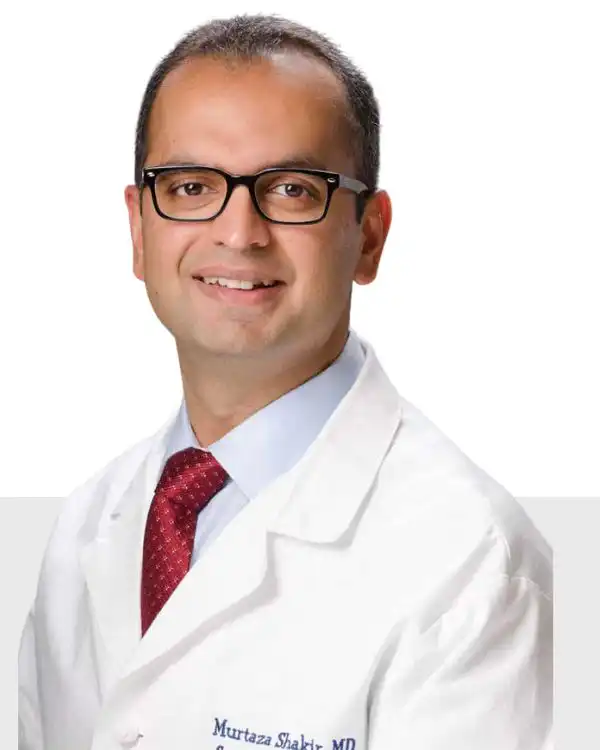
Your Surgeon
About the Physician
Murtaza Shakir, MD
Dr. Murtaza Shakir is a board-certified General Surgeon and is board certified in Complex General Surgical Oncology. He earned his medical degree at Aga Khan University, completed General Surgery residency at Riverside Methodist Hospital in Columbus, Ohio, and a two-year Surgical Oncology fellowship at the University of Pittsburgh Medical Center.
He evaluates and treats patients at Surgical Associates of Southern Texas in Katy and Sugar Land.
Board certified by the American Board of Surgery in:
- General Surgery
- Complex General Surgical Oncology
Surgical focus:
- Hernia repair: open, laparoscopic, and robotic
- Gallbladder surgery: laparoscopic and robotic
- General surgery
- Surgical oncology
Recognized by Houstonia Magazine among Houston’s top general surgeons. Learn more about hernia repair.