
Hernia • Patient Education
Silent Signals: Recognizing Hernia Symptoms Without Pain
Many adults are caught off guard when they learn they have a hernia, especially because it can develop with hernia symptoms but no pain. Unlike the sharp, obvious discomfort often associated with hernias, some cases progress quietly, revealing themselves only through subtle signs that are easy to overlook. A small bulge, a mild sense of pressure, or occasional tugging in the lower abdomen may be the only hints, leaving patients unsure whether these changes warrant medical attention. The uncertainty of not feeling pain can be stressful—some wonder if it’s safe to wait, while others worry that ignoring it could lead to serious complications.
Recognizing hernia symptoms but no pain is critical, because early detection allows for timely evaluation, safer treatment options, and a lower risk of emergencies like tissue incarceration or strangulation. Awareness and vigilance empower patients to take proactive steps, ensuring that even painless hernias are addressed before they become more serious.
By Surgical Associates of Southern Texas · Katy and Sugar Land, TX · February 2026
On This Page
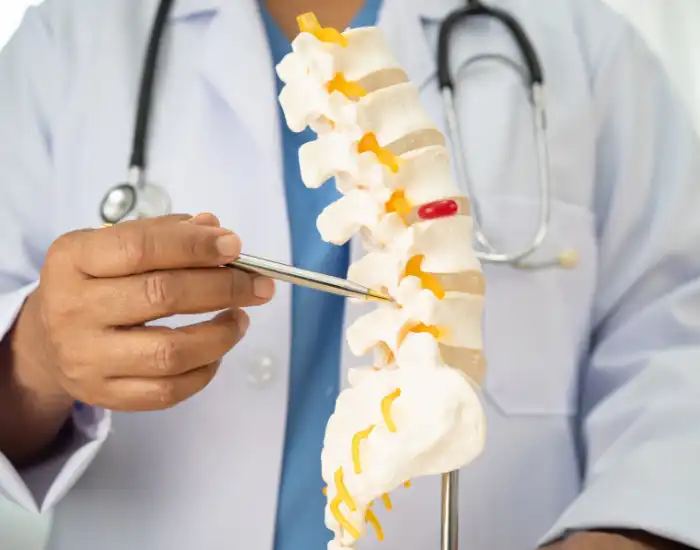
Pain that won’t settle? Don’t guess — get it checked.
Consult with Dr. Murtaza Shakir, board-certified general surgeon. Call now, or send us your details and our team will call you back.
What You’ll Learn
- Understanding Painless Hernias
- Subtle Symptoms to Watch For
- Why Early Detection Matters
- How Hernias Are Diagnosed
- Treatment Options for Painless Hernias
Understanding Painless Hernias
A hernia occurs when an organ, usually part of the intestine, pushes through a weak spot in the abdominal wall. While many people associate hernias with sharp discomfort or severe pain, some develop with minimal or no pain at all. These painless hernias can still pose serious risks if left untreated.
Common reasons hernias may be painless include:
-
Small size that does not yet press on surrounding tissue
-
Slow development over months or years
-
Minimal physical strain or activity that aggravates the hernia
Even without pain, the body often gives subtle cues indicating a hernia may be present.
Subtle Symptoms to Watch For
Recognizing hernia symptoms without pain requires attention to small, often overlooked changes. Key signs can include:
-
Visible bulge or lump – A noticeable swelling in the groin, belly button, or abdominal wall that may increase when standing, coughing, or straining
-
Heaviness or pressure – A feeling of fullness or weakness in the abdomen or groin
-
Discomfort during movement – Mild tugging or pulling sensations when bending, lifting, or exercising
-
Changes in digestion – Occasional constipation, bloating, or nausea if part of the intestine is involved
-
Intermittent swelling – Bulge may appear and disappear depending on body position
While these symptoms are often mild, they indicate a structural issue that deserves evaluation.
Why Early Detection Matters
Even a painless hernia can become dangerous if ignored. Risks include:
-
Incarceration – The hernia becomes trapped and cannot be pushed back into place
-
Strangulation – Blood supply to the trapped tissue is cut off, which is a surgical emergency
-
Progressive enlargement – Larger hernias are more complicated to repair and may prolong recovery
Early consultation with a specialist ensures timely diagnosis and minimizes complications.
How Hernias Are Diagnosed
Evaluation typically begins with a careful physical examination by a surgeon. They may:
-
Inspect the abdomen or groin for bulges while standing or coughing
-
Palpate areas of weakness or swelling
-
Review medical history, including prior surgeries or family history
In some cases, imaging tests are recommended to confirm the diagnosis:
-
Ultrasound – Helpful for detecting hernias not visible externally
-
CT scan – Provides a detailed view of abdominal structures
-
MRI – Occasionally used for complex cases
A proper diagnosis ensures the correct surgical or management approach.
Key Takeaway So Far
So far we have covered understanding painless hernias, subtle symptoms to watch for, why early detection matters, and more. Next, we look at treatment options for painless hernias, who is best suited to manage hernias, tips for preventing hernia complications.
Treatment Options for Painless Hernias
Even when pain is absent, hernias often require repair to prevent complications. Approaches include:
1. Watchful Waiting
For small, asymptomatic hernias, a surgeon may recommend monitoring while avoiding activities that increase abdominal pressure. This is only appropriate under regular medical supervision.
2. Minimally Invasive Surgery
Modern techniques offer safe, effective repair with faster recovery. Options include:
- Laparoscopic hernia surgery – Small incisions and minimal tissue disruption
- Robotic hernia surgery – Advanced precision for complex cases with reduced post-operative discomfort
Benefits of minimally invasive repair include:
- Reduced scarring and pain
- Shorter recovery time
- Lower risk of recurrence
3. Open Surgery
For large or complicated hernias, traditional open repair may be necessary. A skilled general surgeon can determine the safest option based on individual anatomy and hernia type.
Who Is Best Suited to Manage Hernias
Hernias are ideally evaluated and treated by:
-
General surgeons – Experienced in both common and complex hernia repairs
-
Hernia surgeons – Specialize in minimally invasive and robotic techniques
-
Surgical oncologists – If the hernia involves or is near abnormal tissue or masses
Seeking care from an experienced surgeon ensures the best outcomes, even when symptoms are subtle.
Tips for Preventing Hernia Complications
Patients with a painless hernia can take steps to reduce progression or aggravation:
-
Avoid heavy lifting or strain without proper technique
-
Strengthen core muscles with safe exercises
-
Maintain healthy body weight to reduce abdominal pressure
-
Monitor for changes in bulge size, pressure, or new discomfort
Even without pain, proactive management prevents complications and supports smoother recovery if surgery becomes necessary.
Conclusion
Hernias without pain can easily be overlooked, but subtle signs like bulging, pressure, or digestive changes warrant attention. Early evaluation by a qualified surgeon allows safe, effective treatment and helps avoid emergencies such as incarceration or strangulation. Modern options like laparoscopic or robotic hernia surgery make repair safer, less invasive, and quicker, allowing patients to return to normal life confidently.
If subtle hernia symptoms but no pain are noticed, consulting a trusted general surgeon is essential. For patients in Houston and surrounding areas, searching for a hernia specialist can help schedule an evaluation. Advanced solutions, including robotic hernia repair, are available at Surgical Associates of Southern Texas, offering precision, safety, and personalized care for every patient.
Medical Disclaimer: This content is for educational purposes only and is not a substitute for professional medical advice, diagnosis, or treatment. Always consult a qualified healthcare provider regarding any medical condition or symptom.
Concerned About Hernia Symptoms?
If your symptoms are persistent, worsening, or affecting daily life, a surgical evaluation can help determine the cause and whether treatment may be appropriate. Dr. Murtaza Shakir sees patients at the Katy and Sugar Land offices.
Medical Disclaimer
This article is intended for general educational purposes only and is not a substitute for professional medical advice, diagnosis, or treatment. Symptoms can have many possible causes, and treatment decisions should be based on an individual medical evaluation. If you are experiencing severe or rapidly worsening symptoms, seek prompt medical attention. For a medical emergency, call 911 or go to the nearest emergency department.
References
- HerniaSurge Group. International guidelines for groin hernia management. Hernia. 2018;22(1):1–165.
- American College of Surgeons. Inguinal and Femoral Groin Hernia Repair: Surgical Patient Education Program. facs.org.
- National Institute of Diabetes and Digestive and Kidney Diseases (NIDDK). Inguinal Hernia: Symptoms, Causes, Diagnosis and Treatment. niddk.nih.gov.
- Society of American Gastrointestinal and Endoscopic Surgeons (SAGES). Guidelines for laparoscopic ventral hernia repair. sages.org.
- Mayo Clinic. Inguinal hernia: Symptoms and causes; Diagnosis and treatment. mayoclinic.org.
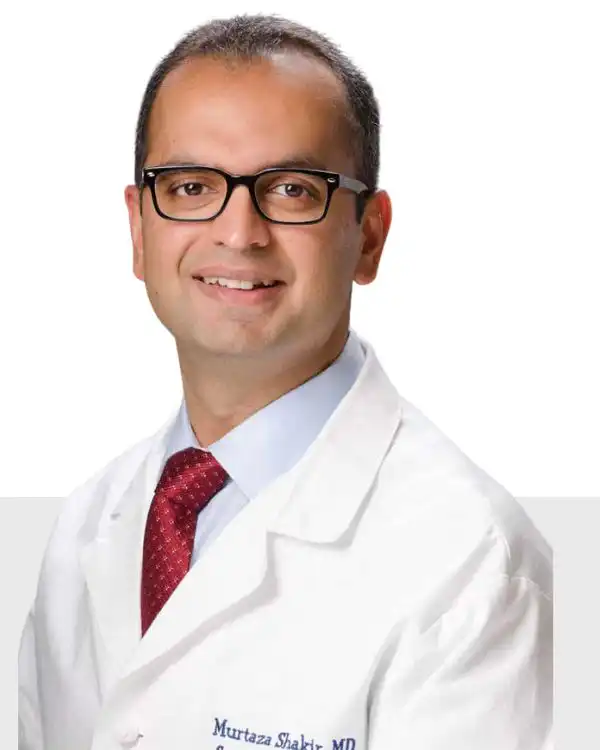
Your Surgeon
About the Physician
Murtaza Shakir, MD
Dr. Murtaza Shakir is a board-certified General Surgeon and is board certified in Complex General Surgical Oncology. He earned his medical degree at Aga Khan University, completed General Surgery residency at Riverside Methodist Hospital in Columbus, Ohio, and a two-year Surgical Oncology fellowship at the University of Pittsburgh Medical Center.
He evaluates and treats patients at Surgical Associates of Southern Texas in Katy and Sugar Land.
Board certified by the American Board of Surgery in:
- General Surgery
- Complex General Surgical Oncology
Surgical focus:
- Hernia repair: open, laparoscopic, and robotic
- Gallbladder surgery: laparoscopic and robotic
- General surgery
- Surgical oncology
Recognized by Houstonia Magazine among Houston’s top general surgeons. Learn more about hernia repair.