
Hernia • Patient Education
Recurrent Hernia (Hernia Came Back): Warning Signs & Effective Repair
Noticing a bulge or discomfort at a site where a hernia was previously repaired can be both alarming and frustrating. Many patients experience a recurrent hernia (hernia came back), which occurs when the abdominal wall weakens again after prior surgical repair. Questions such as “why did my hernia come back after surgery?” or “what are the options for recurrent hernia repair?” are common, reflecting the confusion and concern patients feel. Understanding the causes, recognizing the signs, and exploring advanced repair options can guide patients toward safe, effective treatment.
A recurrent hernia (hernia came back) is a reminder that even successful hernia repairs are not immune to long-term stress on the abdominal wall. Identifying risk factors, seeking early evaluation, and choosing an experienced surgeon are essential steps in preventing complications and restoring abdominal strength.
By Surgical Associates of Southern Texas · Katy and Sugar Land, TX · February 2026
On This Page
- What Is a Recurrent Hernia?
- Recognizing Symptoms of a Recurrent Hernia (Hernia Came Back)
- When to Seek Immediate Medical Attention
- Diagnosing a Recurrent Hernia
- Causes of a Recurrent Hernia (Hernia Came Back)
- Treatment Options for a Recurrent Hernia (Hernia Came Back)
- Lifestyle Considerations to Prevent Another Recurrence
- Choosing the Right Surgeon for a Recurrent Hernia (Hernia Came Back)
- Final Thoughts

Pain that won’t settle? Don’t guess — get it checked.
Consult with Dr. Murtaza Shakir, board-certified general surgeon. Call now, or send us your details and our team will call you back.
What You’ll Learn
- What Is a Recurrent Hernia?
- Recognizing Symptoms of a Recurrent Hernia (Hernia Came Back)
- When to Seek Immediate Medical Attention
- Diagnosing a Recurrent Hernia
- Causes of a Recurrent Hernia (Hernia Came Back)
What Is a Recurrent Hernia?
A recurrent hernia (hernia came back) occurs when tissue, often part of the intestine or fatty tissue, pushes through a previously repaired area of the abdominal wall. This can happen after any type of hernia repair, whether open, laparoscopic, or robotic.
Common reasons for a recurrent hernia (hernia came back) include:
-
Inadequate healing or weakened tissue at the previous repair site
-
Infection at the surgical site leading to compromised closure
-
Excessive strain or lifting too soon after surgery
-
Obesity or increased intra-abdominal pressure
-
Poor surgical technique or improper mesh placement
-
Chronic conditions such as cough, constipation, or respiratory disease
Understanding these factors helps patients prevent further recurrence and ensures a more durable repair.
Recognizing Symptoms of a Recurrent Hernia (Hernia Came Back)
Symptoms of a recurrent hernia (hernia came back) are often similar to a primary hernia but appear at the site of a previous repair. Patients may notice:
-
Visible bulge or swelling along or near the original incision or hernia site
-
Persistent or worsening pain in the area
-
Pressure or heaviness in the abdomen
-
Tenderness, redness, or warmth, especially if complications like incarceration occur
-
Digestive issues, such as bloating, nausea, or changes in bowel habits
Even minor bulges should be evaluated promptly, as recurrent hernias can enlarge over time or lead to complications.
When to Seek Immediate Medical Attention
Some signs of a recurrent hernia (hernia came back) indicate a surgical emergency:
-
Sudden, severe pain at the hernia site
-
Redness, swelling, or warmth over the area
-
Nausea, vomiting, or inability to pass gas or stool
-
Bulge that cannot be pushed back in
These symptoms may signal incarceration or strangulation, where trapped tissue loses blood supply. Urgent evaluation by a surgeon is critical in these cases.
Diagnosing a Recurrent Hernia
Diagnosis begins with a thorough physical exam. A surgeon will assess:
-
Location and size of the recurrent hernia
-
Reducibility of the bulge
-
Condition of previous surgical scars
-
Signs of tenderness, inflammation, or complications
Imaging studies, such as ultrasound or CT scans, are often used to confirm the diagnosis and help plan repair, especially for complex or large recurrent hernias.
Causes of a Recurrent Hernia (Hernia Came Back)
A recurrent hernia (hernia came back) is influenced by both patient-related and surgical factors. Common causes include:
-
Technical factors: Mesh placement issues, insufficient reinforcement, or tension on the repair
-
Tissue weakness: Poor healing or compromised abdominal wall integrity
-
Lifestyle factors: Obesity, smoking, or early return to heavy lifting
-
Chronic strain: Persistent cough, constipation, or other conditions that increase intra-abdominal pressure
Identifying the underlying cause is crucial for successful repair and long-term prevention.
Key Takeaway So Far
So far we have covered what is a recurrent hernia, recognizing symptoms of a recurrent hernia (hernia came back), when to seek immediate medical attention, and more. Next, we look at treatment options for a recurrent hernia (hernia came back), lifestyle considerations to prevent another recurrence, choosing the right surgeon for a recurrent hernia (hernia came back).
Treatment Options for a Recurrent Hernia (Hernia Came Back)
Management of a recurrent hernia (hernia came back) usually requires surgical intervention. Non-surgical options are limited, especially when symptoms are present or the hernia enlarges.
Surgical Repair
Modern techniques for repairing a recurrent hernia (hernia came back) focus on durability and minimizing recurrence:
-
Open repair: Direct approach to the hernia, often involving mesh reinforcement to strengthen the abdominal wall
-
Laparoscopic repair: Minimally invasive method using small incisions and a camera for precise repair
-
Robotic-assisted repair: Advanced robotic systems allow surgeons enhanced precision and better visualization, improving outcomes for complex or repeat hernias
The choice of technique depends on the size of the hernia, previous surgeries, and overall patient health.
Post-Surgical Considerations
Recovery timelines vary, but general guidance includes:
-
Returning to light activities within a few days
-
Avoiding heavy lifting or straining for 4–6 weeks
-
Following surgeon-specific post-operative instructions
-
Monitoring for swelling, pain, or new bulges
Patients undergoing laparoscopic or robotic repair often experience faster recovery and less post-operative discomfort compared to open surgery.
Lifestyle Considerations to Prevent Another Recurrence
Even after successful repair of a recurrent hernia (hernia came back), certain steps help reduce the risk of future recurrence:
-
Maintain a healthy weight to reduce abdominal pressure
-
Engage in core-strengthening exercises under guidance
-
Avoid heavy lifting or strenuous activity for the recommended period
-
Manage chronic cough or constipation promptly
-
Follow up regularly with your surgeon
Combining surgical repair with lifestyle adjustments provides the best long-term outcomes.
Choosing the Right Surgeon for a Recurrent Hernia (Hernia Came Back)
Patients with a recurrent hernia (hernia came back) require an experienced general surgeon. When searching for a hernia surgeon near me, consider:
-
Board certification and expertise in complex hernia repair
-
Experience with laparoscopic and robotic techniques for recurrent hernias
-
Personalized treatment plans and clear communication
-
Comprehensive post-operative care and follow-up
An experienced surgeon improves outcomes, reduces complications, and provides confidence during recovery.
Final Thoughts
A recurrent hernia (hernia came back) can be frustrating, but timely evaluation and advanced surgical repair provide effective solutions. Recognizing symptoms early, understanding causes, and selecting a skilled surgeon ensures safe treatment and durable results. Modern approaches, including minimally invasive and robotic-assisted repair, offer reduced recovery time, smaller scars, and improved long-term abdominal wall strength.
Patients noticing bulges, discomfort, or changes at the site of a previous hernia repair should consult a qualified surgeon promptly. Early intervention is key to preventing complications and restoring comfort and confidence.
If you experience a recurrent hernia (hernia came back) or notice a bulge at a previous hernia repair site, consult a general surgeon for evaluation. Surgical Associates of Southern Texas provides advanced repair options, including robotic hernia surgery, tailored treatment plans, and comprehensive post-operative support. Searching for a hernia surgeon near me in Houston, Katy, or Sugar Land? Schedule a consultation today to learn about safe, effective treatment and recovery.
Medical Disclaimer: This content is for educational purposes only and does not replace professional medical advice. Always consult a qualified healthcare provider regarding diagnosis or treatment.
Concerned About Hernia Symptoms?
If your symptoms are persistent, worsening, or affecting daily life, a surgical evaluation can help determine the cause and whether treatment may be appropriate. Dr. Murtaza Shakir sees patients at the Katy and Sugar Land offices.
Medical Disclaimer
This article is intended for general educational purposes only and is not a substitute for professional medical advice, diagnosis, or treatment. Symptoms can have many possible causes, and treatment decisions should be based on an individual medical evaluation. If you are experiencing severe or rapidly worsening symptoms, seek prompt medical attention. For a medical emergency, call 911 or go to the nearest emergency department.
References
- HerniaSurge Group. International guidelines for groin hernia management. Hernia. 2018;22(1):1–165.
- American College of Surgeons. Inguinal and Femoral Groin Hernia Repair: Surgical Patient Education Program. facs.org.
- National Institute of Diabetes and Digestive and Kidney Diseases (NIDDK). Inguinal Hernia: Symptoms, Causes, Diagnosis and Treatment. niddk.nih.gov.
- Society of American Gastrointestinal and Endoscopic Surgeons (SAGES). Guidelines for laparoscopic ventral hernia repair. sages.org.
- Mayo Clinic. Inguinal hernia: Symptoms and causes; Diagnosis and treatment. mayoclinic.org.
Your Surgeon
About the Physician
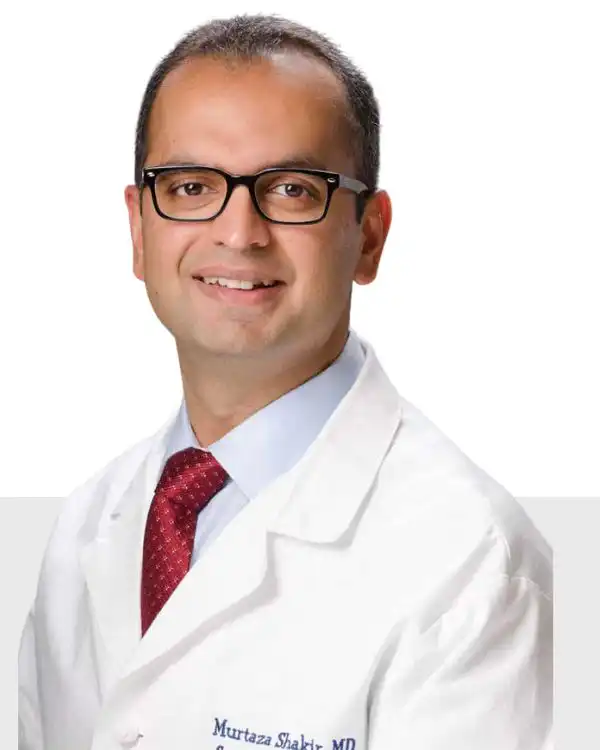
Murtaza Shakir, MD
Dr. Murtaza Shakir is a board-certified General Surgeon and is board certified in Complex General Surgical Oncology. He earned his medical degree at Aga Khan University, completed General Surgery residency at Riverside Methodist Hospital in Columbus, Ohio, and a two-year Surgical Oncology fellowship at the University of Pittsburgh Medical Center.
He evaluates and treats patients at Surgical Associates of Southern Texas in Katy and Sugar Land.
Board certified by the American Board of Surgery in:
- General Surgery
- Complex General Surgical Oncology
Surgical focus:
- Hernia repair: open, laparoscopic, and robotic
- Gallbladder surgery: laparoscopic and robotic
- General surgery
- Surgical oncology
Recognized by Houstonia Magazine among Houston’s top general surgeons. Learn more about hernia repair.