
Gallbladder • Patient Education
Do Gallstones Always Need Surgery?
Gallstones are a common digestive condition, but many people are unsure what to do after being diagnosed. One of the most frequent questions patients ask is, do gallstones always need surgery? The answer is not always straightforward. While some cases require surgical treatment, others can be managed without it. Understanding when surgery is necessary and when it is not can help you make informed decisions about your health.
This blog explains what gallstones are, when surgery is recommended, and what non-surgical options may be available.
By Surgical Associates of Southern Texas · Katy and Sugar Land, TX · December 2025
On This Page
- What Are Gallstones?
- Do Gallstones Always Cause Symptoms?
- When Gallstones Do Not Need Surgery
- When Surgery Is Recommended for Gallstones
- Types of Gallbladder Surgery
- Risks of Leaving Gallstones Untreated
- Can Lifestyle Changes Help Manage Gallstones?
- Do Gallstones Always Need Surgery?
- Final Thoughts
- Frequently asked questions
Pain after meals that keeps coming back? Get it checked.
Consult with Dr. Murtaza Shakir, board-certified general surgeon. Call now, or send us your details and our team will call you back.
What You’ll Learn
- What Are Gallstones?
- Do Gallstones Always Cause Symptoms?
- When Gallstones Do Not Need Surgery
- When Surgery Is Recommended for Gallstones
- Types of Gallbladder Surgery
What Are Gallstones?
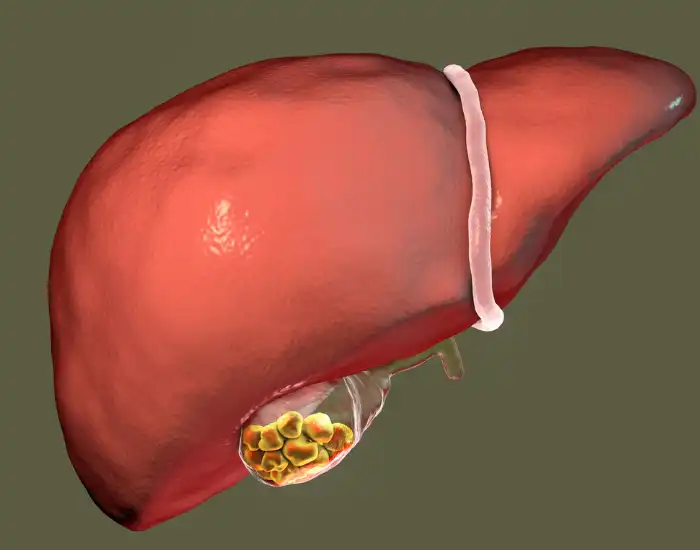
Gallstones are hardened deposits of digestive fluid that form inside the gallbladder. They develop when bile contains too much cholesterol or bilirubin, or when the gallbladder does not empty properly. Over time, these substances can harden and form stones of different sizes. Gallstones are very common and may affect people of all ages. Some people have a single stone, while others may develop many. In many cases, gallstones are found during imaging tests done for unrelated reasons.
Do Gallstones Always Cause Symptoms?
Not all gallstones cause symptoms. In fact, many people have gallstones and never know it. These are often called “silent gallstones.” They usually do not interfere with digestion and may not cause pain or discomfort. However, symptoms can appear if a gallstone blocks a bile duct. When this happens, people may experience pain in the upper right abdomen, nausea, vomiting, or discomfort after eating fatty foods. Therefore, whether gallstones need surgery often depends on whether symptoms are present.
When Gallstones Do Not Need Surgery
Gallstones do not always require surgery, especially if they are not causing symptoms. In many cases, doctors recommend monitoring the condition rather than immediate treatment.
Gallstones may not need surgery if:
- They are not causing pain or digestive issues
- There is no infection or inflammation
- The gallbladder is functioning normally
- Symptoms are mild and infrequent
In these situations, a “watch and wait” approach is often used. This means your healthcare provider will monitor your condition and recommend treatment only if symptoms worsen or complications develop.
When Surgery Is Recommended for Gallstones
Surgery is usually recommended when gallstones cause ongoing symptoms or lead to complications. Repeated gallbladder attacks can interfere with daily life and increase the risk of serious health issues.
Surgery may be advised if you experience:
- Frequent gallbladder pain after eating
- Gallbladder inflammation (cholecystitis)
- Infection of the bile ducts
- Pancreatitis caused by gallstones
- Gallstones blocking bile flow
In these cases, removing the gallbladder can relieve symptoms and prevent future complications.
Types of Gallbladder Surgery
The most common treatment for symptomatic gallstones is gallbladder removal, also known as cholecystectomy. This surgery is widely performed and considered safe for most patients.
There are two main types of gallbladder surgery:
- Laparoscopic cholecystectomy: A minimally invasive procedure using small incisions and a camera. Recovery is usually faster.
- Open cholecystectomy: A traditional surgery with a larger incision, used in more complex cases.
After surgery, bile flows directly from the liver into the small intestine, and most people can digest food normally.
Key Takeaway So Far
So far we have covered what are gallstones, do gallstones always cause symptoms, when gallstones do not need surgery, and more. Next, we look at risks of leaving gallstones untreated, can lifestyle changes help manage gallstones, do gallstones always need surgery, followed by answers to common questions.
Risks of Leaving Gallstones Untreated
While silent gallstones may not require immediate treatment, symptomatic gallstones should not be ignored. When gallstones are left untreated, the risk of complications can increase over time. Ongoing blockage or irritation may lead to chronic gallbladder inflammation, which can cause persistent pain and discomfort. In more serious cases, untreated gallstones can trigger bile duct infections or pancreatitis. Rarely, severe inflammation may even lead to gallbladder rupture. Because symptoms often worsen rather than improve on their own, medical evaluation is important if gallstone-related pain or digestive issues continue.
Can Lifestyle Changes Help Manage Gallstones?
Lifestyle changes can play a helpful role in managing gallstones, especially in mild cases. Although these changes cannot remove existing gallstones, they may reduce symptoms and lower the chance of future attacks. For example, eating smaller, balanced meals and limiting fatty or fried foods can reduce stress on the gallbladder. Increasing fiber intake, staying physically active, and maintaining a healthy weight can also support better digestion. However, while these steps may ease discomfort, they do not replace medical treatment when surgery is necessary.
Do Gallstones Always Need Surgery?
No, gallstones do not always need surgery. In many cases, especially when gallstones are not causing symptoms, surgery may not be necessary. These are often called silent gallstones and can be safely monitored without immediate treatment. Doctors usually recommend a watch-and-wait approach if there is no pain, infection, or blockage affecting bile flow.
However, surgery is more likely to be recommended when gallstones cause ongoing pain, frequent digestive discomfort, or complications such as inflammation or infection. Repeated gallbladder attacks can worsen over time and increase health risks. In those situations, removing the gallbladder is often the most effective way to relieve symptoms and prevent future problems.
Ultimately, whether surgery is needed depends on your symptoms, overall health, and risk of complications. A medical evaluation helps determine the safest and most appropriate treatment plan.
Final Thoughts
Gallstones do not always need surgery, especially if they are not causing symptoms. However, when gallstones lead to pain, inflammation, or complications, surgery is often the safest and most effective option. Early evaluation and proper medical guidance are key to preventing long-term problems.
At Surgical Associates of Southern Texas, experienced specialists help patients understand their gallstone treatment options and provide personalized care based on individual needs.
Disclaimer: This content is for informational purposes only and does not replace professional medical advice. Always consult a qualified healthcare provider for diagnosis and treatment of gallstones or digestive conditions.
Frequently Asked Questions
Can gallstones go away without surgery?
Gallstones usually do not disappear on their own, but silent gallstones may never cause problems.
Is surgery the only permanent treatment for gallstones?
Yes, gallbladder removal is the most effective long-term solution for symptomatic gallstones.
Can medication dissolve gallstones?
In rare cases, medications may be used, but they work slowly and are not suitable for most patients.
What happens if gallstones are left untreated?
Untreated symptomatic gallstones can lead to infections, inflammation, or other serious complications.
Can you live a normal life without a gallbladder?
Yes, most people live normal, healthy lives after gallbladder removal.
Having Recurring Gallbladder Pain?
If your symptoms are persistent, worsening, or affecting daily life, a surgical evaluation can help determine the cause and whether treatment may be appropriate. Dr. Murtaza Shakir sees patients at the Katy and Sugar Land offices.
Medical Disclaimer
This article is intended for general educational purposes only and is not a substitute for professional medical advice, diagnosis, or treatment. Symptoms can have many possible causes, and treatment decisions should be based on an individual medical evaluation. If you are experiencing severe or rapidly worsening symptoms, seek prompt medical attention. For a medical emergency, call 911 or go to the nearest emergency department.
References
- National Institute of Diabetes and Digestive and Kidney Diseases (NIDDK). Gallstones: Symptoms and Causes. niddk.nih.gov.
- Mayo Clinic. Gallstones: Symptoms and causes. mayoclinic.org.
- American College of Surgeons. Cholecystectomy: Surgical Removal of the Gallbladder (Patient Education Brochure). facs.org.
- Cleveland Clinic. Laparoscopic Cholecystectomy (Gallbladder Removal). my.clevelandclinic.org.
- Ibrahim M, Sarvepalli S, Morris-Stiff G, et al.. Gallstones: Watch and wait, or intervene?. Cleveland Clinic Journal of Medicine. 2018;85(4):323–331.

Your Surgeon
About the Physician
Murtaza Shakir, MD
Dr. Murtaza Shakir is a board-certified General Surgeon and is board certified in Complex General Surgical Oncology. He earned his medical degree at Aga Khan University, completed General Surgery residency at Riverside Methodist Hospital in Columbus, Ohio, and a two-year Surgical Oncology fellowship at the University of Pittsburgh Medical Center.
He evaluates and treats patients at Surgical Associates of Southern Texas in Katy and Sugar Land.
Board certified by the American Board of Surgery in:
- General Surgery
- Complex General Surgical Oncology
Surgical focus:
- Hernia repair: open, laparoscopic, and robotic
- Gallbladder surgery: laparoscopic and robotic
- General surgery
- Surgical oncology
Recognized by Houstonia Magazine among Houston’s top general surgeons. Learn more about gallbladder surgery.