Table of Contents
- What Is Liver Cancer?
- Why Early Symptoms Are Often Missed
- Common Early Warning Signs of Liver Cancer
- Digestive and Abdominal Symptoms
- Systemic and Whole-Body Symptoms
- Who Is at Higher Risk for Liver Cancer?
- When to See a Doctor
- Why Early Detection Improves Outcomes
- Final Thoughts
1. What Is Liver Cancer?
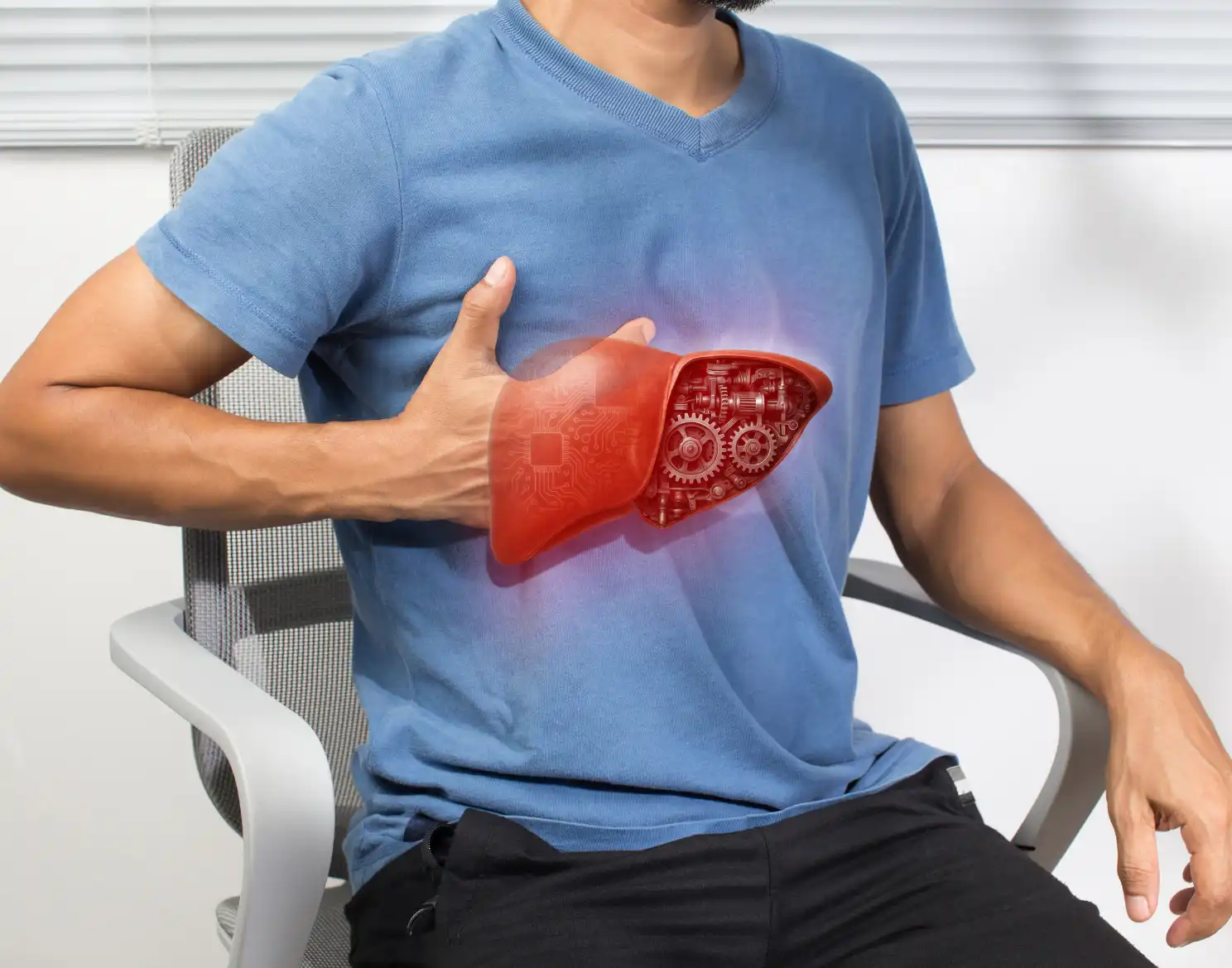
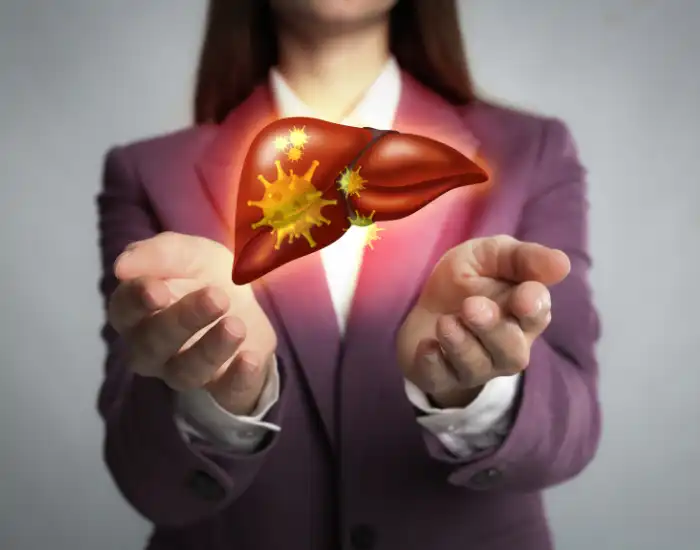
Liver cancer occurs when abnormal cells grow uncontrollably within the liver. The liver is a vital organ located in the upper right side of the abdomen and is responsible for filtering toxins from the blood, producing bile for digestion, and storing nutrients. The most common type of liver cancer is hepatocellular carcinoma (HCC), which often develops in people with chronic liver disease. Because the liver can continue functioning even when partially damaged, cancer may grow for some time before noticeable symptoms appear.
2. Why Early Symptoms Are Often Missed
Early liver cancer symptoms are frequently mild and nonspecific, making them easy to overlook. Many signs overlap with other liver conditions, such as hepatitis or cirrhosis, or with everyday health issues like indigestion or fatigue. In some cases, people may not experience symptoms at all until the cancer has progressed. This delay is one reason liver cancer is often diagnosed at a more advanced stage.
3. Common Early Warning Signs of Liver Cancer
Although early symptoms may be subtle, certain changes can signal a problem with the liver. These warning signs should not be ignored, especially if they persist or worsen over time. Early symptoms may include unexplained weight loss, reduced appetite, ongoing fatigue, or a general feeling of weakness. While these symptoms are not specific to liver cancer, their persistence can indicate the need for further evaluation.
4. Digestive and Abdominal Symptoms
Liver cancer can affect digestion and cause discomfort in the abdomen. Some of the most common digestive-related symptoms include persistent pain or discomfort in the upper right abdomen, a feeling of fullness after eating small amounts, nausea, or bloating. In some cases, swelling in the abdomen may occur due to fluid buildup, known as ascites. These symptoms may gradually increase as the tumor grows and affects surrounding tissues.
5. Systemic and Whole-Body Symptoms
As liver cancer progresses, it may begin to affect the entire body. Symptoms such as chronic fatigue, weakness, fever, or night sweats can develop as the body responds to cancer-related inflammation. Jaundice, which causes yellowing of the skin and eyes, may also occur if the liver’s ability to process bile is impaired. Dark urine and pale stools may accompany jaundice and should prompt immediate medical evaluation.
6. Who Is at Higher Risk for Liver Cancer?
Certain individuals have a higher likelihood of developing liver cancer and should be especially attentive to early warning signs. Liver cancer often develops in people with underlying liver conditions, which can increase long-term damage and inflammation in the liver. Those at higher risk may benefit from regular medical monitoring, imaging tests, and blood work to detect liver changes as early as possible.
High-risk groups include:
- People with chronic hepatitis B or hepatitis C
- Individuals with cirrhosis of the liver
- Those with fatty liver disease or nonalcoholic steatohepatitis (NASH)
- Individuals with a history of heavy or long-term alcohol use
- People with a family history of liver cancer
7. When to See a Doctor
Seeing a healthcare provider is important if symptoms persist or worsen over time. Liver cancer symptoms can resemble other liver or digestive conditions, which is why early medical evaluation is essential. A doctor can assess symptoms, review medical history, and determine whether further testing is needed.
Seek medical attention if you experience:
- Ongoing or worsening abdominal pain
- Unexplained weight loss
- Persistent fatigue or weakness
- Jaundice (yellowing of the skin or eyes)
- Digestive symptoms that do not improve
To evaluate these symptoms, doctors may use blood tests, imaging studies such as ultrasound, CT scans, or MRI, and in some cases, a liver biopsy.
8. Why Early Detection Improves Outcomes
Early detection of liver cancer can make a significant difference in treatment success and long-term outcomes. When liver cancer is identified at an early stage, patients may have access to more effective treatment options that are not possible once the disease has advanced. Early diagnosis can also help preserve healthy liver tissue and support better overall quality of life.
Benefits of early detection include:
- Greater treatment options, including surgery and targeted therapies
- Improved chances of controlling disease progression
- Better preservation of liver function
- Potentially improved survival and quality of life
Recognizing symptoms early and seeking timely care remain key factors in improving outcomes for individuals at risk of liver cancer.
9. Final Thoughts
Liver cancer can be difficult to detect early, but recognizing subtle warning signs can make a meaningful difference. Paying attention to ongoing symptoms and understanding personal risk factors allows individuals to seek timely medical care. Early awareness remains one of the most effective tools in managing liver cancer.
If you are experiencing symptoms that concern you or have known risk factors for liver disease, consider scheduling an evaluation with Surgical Associates of Southern Texas. Their experienced medical team can guide you through proper testing and next steps with compassionate, patient-centered care.
Disclaimer: This content is for informational purposes only and should not be considered medical advice. Always consult a qualified healthcare professional for diagnosis and treatment of any medical condition.