After gallbladder removal surgery, many patients wonder what they can safely eat and how their digestion will change. The gallbladder stores bile, which helps digest fats. Once it is removed, bile flows directly from the liver into the intestine in smaller, continuous amounts. This change affects how the body handles certain foods, especially fats. Knowing the right foods to eat after gallbladder removal helps reduce bloating, diarrhea, nausea, and abdominal discomfort while supporting long-term digestive health.
Table of Contents
- What Changes After Gallbladder Removal
- Best Foods to Eat After Gallbladder Removal
- Foods That Are Easy to Digest
- Protein Sources That Are Well Tolerated
- Fruits and Vegetables to Include
- Foods to Limit or Avoid
- How Long Diet Changes Are Needed
- When Digestive Symptoms Need Medical Attention
- Expert Surgical Care in Katy and Sugar Land
- Medical Disclaimer
1. What Changes After Gallbladder Removal
After surgery, bile is no longer stored and released in response to meals. Instead, it drips continuously into the intestine. This explains why some patients experience loose stools, bloating, or discomfort after eating fatty or heavy meals.
Understanding this change helps explain why choosing the right foods to eat after gallbladder removal is essential, especially in the first few weeks after surgery.
2. Best Foods to Eat After Gallbladder Removal
The best foods to eat after gallbladder removal are low in fat, gentle on digestion, and easy for the intestines to absorb. These foods reduce stress on the digestive system and allow the body to adjust gradually.
Recommended options include:
-
Plain rice or brown rice
-
Oatmeal and whole grain toast
-
Boiled or baked potatoes
-
Low-fat yogurt
-
Clear soups and broths
These foods help stabilize digestion and reduce post-surgical discomfort.
3. Foods That Are Easy to Digest
In the early recovery phase, simple foods are best. Easy-to-digest foods to eat after gallbladder removal include:
-
Bananas
-
Applesauce
-
White toast
-
Crackers
-
Plain pasta
Eating small portions of these foods helps prevent nausea and abdominal cramping.
4. Protein Sources That Are Well Tolerated
Protein is important for healing, but high-fat meats can cause digestive upset. Lean protein sources are ideal foods to eat after gallbladder removal, including:
-
Skinless chicken or turkey
-
Fish such as cod or tilapia
-
Egg whites
-
Tofu or legumes in small portions
These options provide nutrition without overloading the digestive system.
5. Fruits and Vegetables to Include
Fruits and vegetables support digestion and bowel regularity, but they should be introduced gradually.
Well-tolerated foods to eat after gallbladder removal include:
-
Steamed carrots
-
Zucchini
-
Spinach
-
Melons
-
Berries
Cooking vegetables helps reduce gas and bloating during recovery.
6. Foods to Limit or Avoid
Certain foods are more likely to cause discomfort after surgery. These include:
-
Fried or greasy foods
-
High-fat dairy products
-
Processed meats
-
Creamy sauces
-
Spicy foods
Limiting these items reduces diarrhea and abdominal pain, especially in the first few months.
7. How Long Diet Changes Are Needed
Most patients follow a modified diet for several weeks after surgery. Over time, many people can return to a normal diet with moderation. However, continuing to prioritize healthy foods to eat after gallbladder removal supports long-term digestive comfort.
Every patient adapts differently, so gradual food reintroduction is key.
8. When Digestive Symptoms Need Medical Attention
You should contact your healthcare provider if you experience:
-
Persistent diarrhea
-
Severe bloating or abdominal pain
-
Ongoing nausea or vomiting
-
Weight loss or poor appetite
These symptoms may indicate bile sensitivity or another digestive condition that needs evaluation.
9. Expert Surgical Care in Katy and Sugar Land
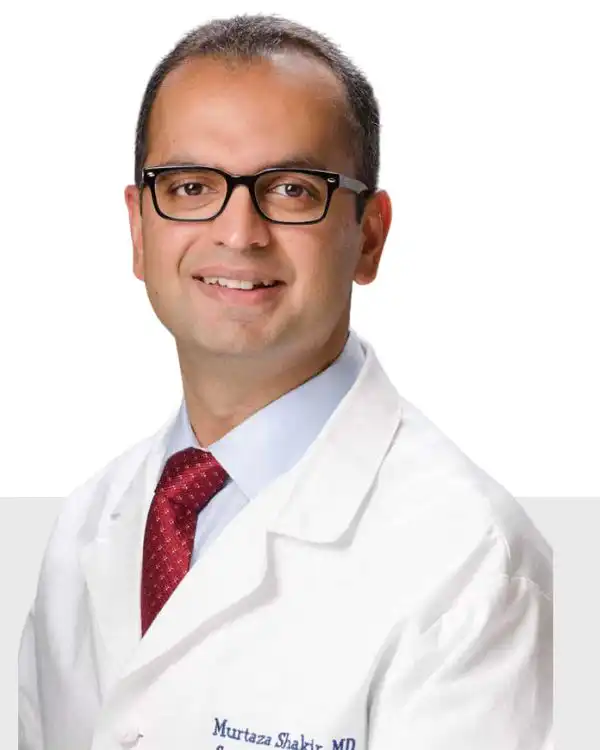
At Surgical Associates of Southern Texas, patients receive comprehensive care before and after gallbladder removal surgery, including guidance on diet and recovery. Surgical care is led by Dr. Murtaza Shakir, a board-certified General Surgeon and Surgical Oncologist with extensive experience in minimally invasive gallbladder surgery. His patient-focused approach emphasizes safe recovery, symptom relief, and long-term digestive health.
10. Medical Disclaimer
This content is for educational purposes only and does not replace professional medical advice, diagnosis, or treatment. Dietary tolerance after gallbladder removal varies by individual. Always consult your surgeon or healthcare provider for personalized recommendations. Seek medical care for persistent or severe digestive symptoms.