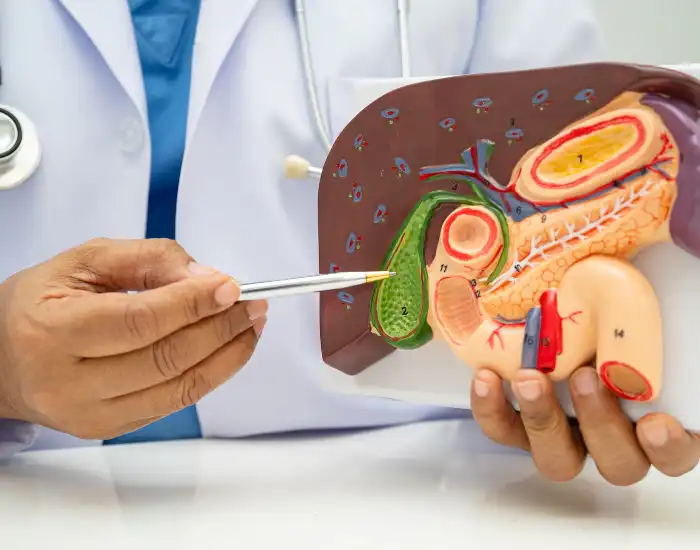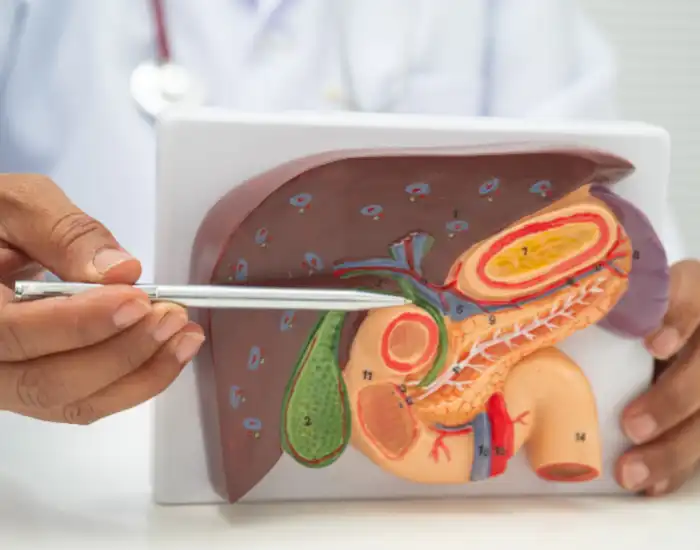

Stomach and chest discomfort are common health complaints, but identifying the cause is not always easy. Two conditions that are often confused are gallbladder infection and acid reflux. Although they can share similar symptoms, they affect different parts of the digestive system and require different treatments. Understanding the difference between gallbladder infection and acid reflux can help you recognize warning signs and seek proper care.
This blog explains the symptoms of gallbladder infection vs acid reflux, how they differ, and when medical attention is necessary.
Table of Contents
- What Is a Gallbladder Infection?
- What Is Acid Reflux?
- Why These Conditions Are Often Confused
- Symptoms of Gallbladder Infection
- Symptoms of Acid Reflux
- Gallbladder Infection VS Acid Reflux- Key Differences
- When to See a Doctor
- Do Gallbladder Infection and Acid Reflux Need Different Treatments?
- FAQs: Gallbladder Infection vs Acid Reflux
- Final Thoughts
1. What Is a Gallbladder Infection?
A gallbladder infection, also called cholecystitis, occurs when the gallbladder becomes inflamed. This usually happens when a gallstone blocks the bile duct, preventing bile from flowing properly. As bile builds up, it can cause irritation, swelling, and infection. Gallbladder infections can develop suddenly or worsen over time if left untreated. Because they may lead to serious complications, prompt medical evaluation is important.
2. What Is Acid Reflux?
Acid reflux occurs when stomach acid flows back into the esophagus. This backward movement irritates the lining of the esophagus and causes symptoms such as heartburn and chest discomfort. When acid reflux becomes frequent or severe, it may be diagnosed as gastroesophageal reflux disease (GERD). Unlike gallbladder infections, acid reflux is related to stomach acid rather than bile flow or gallstones.
3. Why These Conditions Are Often Confused
Gallbladder infection and acid reflux can both cause upper abdominal or chest discomfort, especially after eating. Because symptoms may overlap, many people assume their pain is due to acid reflux when it is actually related to the gallbladder. However, the source, severity, and pattern of symptoms differ. Paying attention to specific warning signs can help distinguish between the two conditions.
4. Symptoms of Gallbladder Infection
Symptoms of a gallbladder infection are often more intense and may worsen quickly. Pain is usually constant rather than burning and may last for several hours.
Common symptoms include:
- Sharp or steady pain in the upper right abdomen
- Pain that spreads to the right shoulder or upper back
- Fever and chills
- Nausea and vomiting
- Abdominal tenderness
- Yellowing of the skin or eyes (jaundice) in severe cases
Gallbladder infection pain often worsens after eating fatty foods and does not improve with antacids.
5. Symptoms of Acid Reflux
Acid reflux symptoms are usually related to stomach acid irritation and often occur after meals or when lying down.
Common acid reflux symptoms include:
- Burning sensation in the chest (heartburn)
- Sour or bitter taste in the mouth
- Regurgitation of food or acid
- Chest discomfort after eating
- Difficulty swallowing
- Chronic cough or throat irritation
Unlike gallbladder infection, acid reflux symptoms may improve with antacids or lifestyle changes.
6. Gallbladder Infection VS Acid Reflux- Key Differences
Understanding the main differences can help identify which condition may be causing your symptoms.
Location of pain:
Gallbladder infection usually causes pain in the upper right abdomen, while acid reflux causes a burning sensation in the chest or upper stomach.
Type of pain:
Gallbladder pain is often sharp, steady, and intense. Acid reflux pain is usually burning or pressure-like.
Associated symptoms:
Fever, chills, and jaundice are linked to gallbladder infection but not acid reflux. Acid reflux often includes sour taste, burping, and throat irritation.
Response to medication:
Gallbladder infection pain does not improve with antacids, while acid reflux symptoms often do.
7. When to See a Doctor
Understanding the symptoms of gallbladder infection vs acid reflux can be confusing because both conditions may cause upper abdominal or chest discomfort. However, they affect different parts of the digestive system and require different treatments. Gallbladder infections are often linked to inflammation or gallstones, while acid reflux is caused by stomach acid flowing back into the esophagus. Knowing the key differences can help you recognize warning signs and seek timely medical care.
8. Do Gallbladder Infection and Acid Reflux Need Different Treatments?
Yes, treatment varies significantly between the two conditions. Acid reflux is often managed with lifestyle changes, medications that reduce stomach acid, and dietary adjustments. Gallbladder infections, however, may require antibiotics, hospitalization, or surgery to remove the gallbladder if symptoms are severe or recurring. Because treatments differ, accurate diagnosis is essential.
9. FAQs: Gallbladder Infection vs Acid Reflux
1. Can gallbladder infection feel like heartburn?
Yes, gallbladder infection pain may be mistaken for heartburn, but it is usually more severe and constant.
2. Does acid reflux cause fever?
No, fever is not a typical symptom of acid reflux and may indicate infection.
3. Can fatty foods trigger both conditions?
Yes, fatty foods can worsen gallbladder symptoms and increase acid reflux episodes.
4. How long does gallbladder infection pain last?
Gallbladder infection pain often lasts several hours and does not resolve without treatment.
5. Can antacids help gallbladder pain?
No, antacids do not relieve gallbladder-related pain.
10. Final Thoughts
Although gallbladder infection and acid reflux share some symptoms, they are very different conditions. Gallbladder infection usually causes more severe pain and systemic symptoms, while acid reflux is linked to stomach acid irritation. Knowing the difference can help you seek appropriate care and avoid complications.
At Surgical Associates of Southern Texas, experienced specialists evaluate digestive symptoms carefully to determine the correct diagnosis and treatment plan for each patient.
Disclaimer: This blog is for informational purposes only and does not replace professional medical advice. Always consult a qualified healthcare provider for diagnosis and treatment of abdominal or digestive symptoms.