Gallbladder removal is a common procedure, but many patients feel uncertain about recovery afterward. One of the most searched questions is about gallbladder removal recovery time and how long it takes to return to normal daily activities. While recovery varies from person to person, understanding the general timeline can help set realistic expectations and reduce anxiety.
This blog explains what gallbladder removal recovery involves, how long healing usually takes, and what you can do to support a smooth recovery.
Table of Contents
- What Is Gallbladder Removal Surgery?
- Why Gallbladder Removal Is Performed
- Gallbladder Removal Recovery Time: An Overview
- Recovery Timeline After Gallbladder Surgery
- Common Symptoms During Recovery
- Tips to Speed Up Gallbladder Surgery Recovery
- When to Contact a Doctor
- Gallbladder Removal Recovery Time: FAQs
- Final Thoughts
1. What Is Gallbladder Removal Surgery?
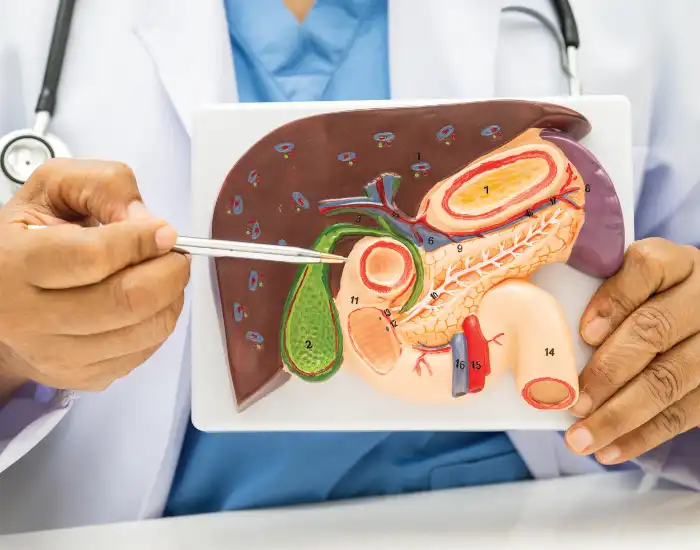
Gallbladder removal surgery, also called cholecystectomy, is a procedure to remove the gallbladder when it causes pain, infection, or other complications. The gallbladder stores bile, but it is not essential for digestion. After removal, bile flows directly from the liver into the small intestine. Most gallbladder removals today are performed using minimally invasive laparoscopic techniques, which generally allow for faster healing and shorter recovery time.
2. Why Gallbladder Removal Is Performed
Gallbladder removal is usually recommended when gallstones or gallbladder disease cause ongoing symptoms or complications. Common reasons include repeated gallbladder attacks, inflammation, infection, or bile duct blockage. When symptoms interfere with daily life or pose health risks, surgery becomes the most effective long-term treatment option.
3. Gallbladder Removal Recovery Time: An Overview
The gallbladder removal recovery time depends on the type of surgery and a person’s overall health. Most patients recover faster after laparoscopic surgery compared to open surgery.
In general:
- Laparoscopic surgery recovery takes about 1 to 2 weeks
- Open surgery recovery may take 4 to 6 weeks
While pain and fatigue are common at first, most people gradually return to normal activities within a short period.
4. Recovery Timeline After Gallbladder Surgery
First 24 to 48 Hours
During the first day or two, mild to moderate pain, bloating, and fatigue are common. Some people also feel shoulder pain due to gas used during laparoscopic surgery. Rest and prescribed pain medication usually help manage discomfort.
First Week
During the first week, most patients notice steady improvement. Walking short distances is encouraged to support circulation and healing. Light daily activities are usually possible, but lifting heavy objects should be avoided.
Two to Three Weeks
By this time, many people return to work, especially if their job is not physically demanding. Digestive symptoms may still occur, but they often improve with time.
Four to Six Weeks
For open surgery or physically demanding jobs, full recovery may take up to six weeks. Most people can resume exercise and normal routines after medical clearance.
5. Common Symptoms During Recovery
It is normal to experience certain symptoms during gallbladder removal recovery, especially in the first few days after surgery. Mild abdominal pain or tenderness may occur as the incisions heal, along with bloating or gas as the digestive system adjusts. Some people also experience temporary diarrhea, loose stools, or changes in digestion after meals. Feeling tired or fatigued is common during the healing process. In most cases, these symptoms are short-term and improve with time, proper rest, and simple dietary adjustments.
6. Tips to Speed Up Gallbladder Surgery Recovery
While healing after gallbladder surgery takes time, certain steps can help support a smoother recovery and reduce discomfort. Following your surgeon’s post-operative instructions is especially important during the early healing phase. Eating small, low-fat meals at first can make digestion easier, while staying well hydrated supports overall recovery. Light walking is encouraged to improve circulation, but strenuous activity and heavy lifting should be avoided until your doctor says it is safe. As your body heals, gradually reintroducing foods and allowing yourself proper rest can make a noticeable difference in recovery time.
7. When to Contact a Doctor
Although most people recover without complications, some symptoms should not be ignored. You should contact your healthcare provider if you experience severe or worsening abdominal pain, fever or chills, or redness, swelling, or drainage around the incision site. Persistent nausea or vomiting, as well as yellowing of the skin or eyes, may also signal a problem. Seeking medical attention early helps prevent complications and ensures safe healing.
8. Gallbladder Removal Recovery Time: FAQs
1. How long does gallbladder removal recovery time usually take?
Most people recover within 1 to 2 weeks after laparoscopic surgery, while open surgery may take longer.
2. When can I return to work after gallbladder surgery?
Many patients return to work within one to two weeks, depending on job type and recovery progress.
3. Is digestion normal after gallbladder removal?
Yes, most people digest food normally after surgery, though mild changes may occur at first.
4. Can I exercise during recovery?
Light walking is encouraged early on, but strenuous exercise should wait until your doctor approves.
5. Will gallbladder removal affect my long-term health?
Most people live healthy, normal lives without a gallbladder.
9. Final Thoughts
Understanding gallbladder removal recovery time can help you feel more prepared and confident before surgery. While recovery varies, most patients heal well and return to daily life quickly. Following medical advice and allowing time for rest are key to a smooth recovery.
At Surgical Associates of Southern Texas, experienced surgical specialists guide patients through every step of gallbladder surgery and recovery with personalized care and support.
Disclaimer: This content is for informational purposes only and does not replace professional medical advice. Always consult a qualified healthcare provider for diagnosis, treatment, and recovery guidance.