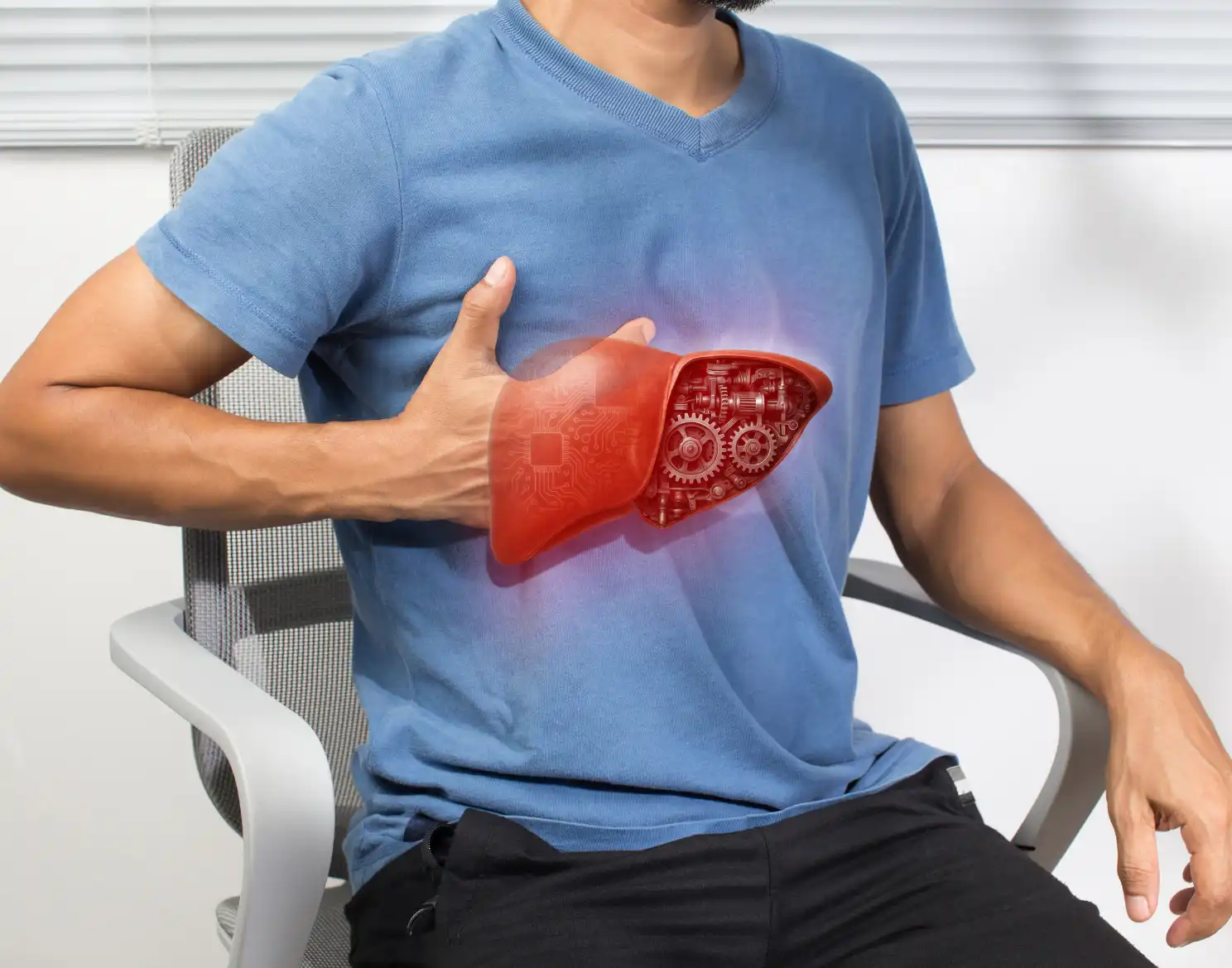

Experiencing pain in lower abdomen when lifting objects can be alarming. Many adults notice a sudden twinge or persistent discomfort during everyday activities like lifting groceries, moving furniture, or even exercising. It’s common to feel unsure about whether this pain is minor or a sign of something requiring medical attention. Patients often face a real challenge: should they wait it out, consult a primary care provider, or see a specialist? Understanding the potential causes, warning signs, and treatment options can help guide safe and effective care.
Understanding Lower Abdominal Pain
Lower abdominal pain while lifting is often related to the muscles, ligaments, or structures supporting the abdominal wall. In some cases, it can signal a more serious condition, such as a hernia or digestive problem. The pain may feel like:
-
A sharp or stabbing sensation
-
Dull, aching discomfort
-
Pressure or heaviness in the lower abdomen
-
Tenderness that worsens with movement or lifting
Although occasional mild soreness can result from muscle strain or overexertion, persistent or severe pain should not be ignored. Recognizing when to seek care is essential for avoiding complications and ensuring proper treatment.
Common Causes of Pain in Lower Abdomen When Lifting
Several conditions can lead to lower abdominal pain during lifting. Some of the most frequent include:
1. Muscle Strain
-
Overuse of abdominal muscles
-
Sudden lifting of heavy objects
-
Weak core muscles that cannot adequately support the lower abdomen
Muscle strain typically causes localized pain that improves with rest, stretching, and proper body mechanics. Pain may worsen with sudden movement or coughing.
2. Hernia
A hernia occurs when an organ or tissue, often part of the intestine, pushes through a weak spot in the abdominal wall. This can lead to a noticeable bulge, discomfort, and pain that intensifies with lifting, straining, or coughing. Types of hernias include:
-
Inguinal hernia – common in the groin area
-
Umbilical hernia – near the belly button
-
Incisional hernia – occurring at the site of a previous surgical incision
Warning signs include:
-
Visible or palpable bulge
-
Persistent pain or tenderness
-
Nausea or vomiting (in severe cases)
Hernias rarely resolve on their own and often require surgical repair, especially if pain or bulging increases over time.
3. Digestive Issues
Conditions like constipation, gas, or inflammation in the intestines can cause discomfort in the lower abdomen. Symptoms may include bloating, cramping, and irregular bowel movements. While not always dangerous, digestive issues can mimic hernia pain and should be evaluated if persistent.
4. Gynecological Causes (for Women)
Pain may also originate from reproductive organs. Conditions such as ovarian cysts, fibroids, or endometriosis can produce lower abdominal discomfort that worsens with physical activity. Women experiencing severe or unusual pain should seek prompt evaluation.
When to Seek Medical Attention
It can be challenging to determine when lower abdominal pain signals a serious problem. Immediate medical attention is recommended if you notice:
-
Sudden, severe abdominal pain
-
A firm, tender bulge in the groin or lower abdomen
-
Nausea, vomiting, or fever
-
Pain that prevents normal daily activities
-
Persistent discomfort lasting more than a few days
Ignoring these warning signs can lead to complications, particularly in cases of hernia, where delayed treatment may result in incarceration or strangulation of tissue, which is a surgical emergency.
Evaluation and Diagnosis
Medical evaluation for lower abdominal pain typically begins with a detailed history and physical examination. A surgeon may assess:
-
The location, intensity, and duration of pain
-
Presence of a bulge or swelling
-
Pain with movement, coughing, or lifting
Additional diagnostic tools can include:
-
Ultrasound – to detect hernias, cysts, or fluid collections
-
CT scan – for a detailed view of abdominal structures
-
Blood tests – to check for infection or inflammation
Accurate diagnosis is crucial, especially when surgical intervention might be needed.
Treatment Approaches
Treatment depends on the underlying cause. For mild muscle strains or digestive discomfort, conservative measures are often effective:
-
Rest and avoiding heavy lifting
-
Over-the-counter pain medication
-
Gentle stretching and strengthening exercises
-
Proper lifting techniques and core strengthening
For hernias or other structural issues, surgical repair may be recommended. Modern techniques often include minimally invasive options such as laparoscopic or robotic hernia surgery. Benefits of robotic-assisted surgery include:
-
Smaller incisions and less scarring
-
Reduced post-operative pain
-
Faster recovery and return to normal activities
-
Precision in repairing complex hernias
A skilled general surgeon specializing in hernia repair can determine the most appropriate surgical approach based on the patient’s condition, anatomy, and lifestyle.
Who Should Manage Lower Abdominal Pain?
Lower abdominal pain related to lifting often requires evaluation by a specialist, particularly if a hernia is suspected. Experts who can provide comprehensive care include:
-
General surgeons – experienced in evaluating and treating hernias, gallbladder issues, and abdominal wall conditions
-
Hernia surgeons – specialized in minimally invasive and robotic-assisted repair techniques
-
Surgical oncologists – if pain is associated with masses or tumors in the abdominal area
While initial consultation may occur with a primary care provider, referral to a surgeon ensures timely and specialized evaluation.
Preventing Pain in Lower Abdomen When Lifting
Preventive measures can help reduce the risk of pain and injury when lifting:
-
Strengthen core muscles through targeted exercises
-
Practice proper lifting techniques: bend at the knees, not the waist
-
Avoid lifting objects beyond your capacity
-
Maintain a healthy weight to reduce abdominal pressure
-
Seek early evaluation for persistent discomfort or bulging
Adopting these habits can minimize strain on abdominal muscles and lower the likelihood of hernias or related complications.
Living with a Hernia or Post-Surgery Recovery
For patients diagnosed with a hernia, following surgical recommendations is key to a smooth recovery. Tips for post-surgery care include:
-
Gradually resume activities as advised by the surgeon
-
Avoid heavy lifting for the recommended period
-
Monitor the incision for signs of infection or swelling
-
Maintain a balanced diet and stay hydrated
Robotic hernia surgery often allows patients to return to normal activities sooner than traditional open surgery, offering both safety and convenience.
Conclusion
Pain in lower abdomen when lifting should never be ignored, especially if it is persistent, sharp, or associated with a noticeable bulge. Proper evaluation by a skilled surgeon ensures accurate diagnosis and effective treatment, whether the cause is a muscle strain, digestive issue, or hernia. Modern surgical techniques, including robotic hernia surgery, provide safe and precise options that minimize recovery time and maximize patient comfort. Prioritizing early consultation helps prevent complications and supports a faster return to normal daily life.
For anyone experiencing pain in lower abdomen when lifting, consulting an experienced general surgeon is essential. If you suspect a hernia or require specialized care, consider searching for a hernia surgeon near me to schedule a consultation. Advanced options like robotic hernia surgery are available for precise, minimally invasive repair. Surgical Associates of Southern Texas in Greater Houston offers expert evaluation, personalized treatment plans, and compassionate care to help patients recover safely and confidently.
Medical Disclaimer: This content is for educational purposes only and is not a substitute for professional medical advice, diagnosis, or treatment. Always consult a qualified healthcare provider regarding any medical condition or symptom.