
Expert Gallbladder Surgery in Katy and Sugar Land by a Board-Certified Surgeon
Gallbladder surgery is one of the most common and effective treatments for gallbladder disease, including gallstones, inflammation, and bile duct complications. At Surgical Associates of Southern Texas, we provide expert gallbladder surgery for patients in Katy, Sugar Land, and Greater Houston, using advanced minimally invasive techniques whenever possible. Surgical care is led by Dr. Murtaza Shakir, a board-certified General Surgeon and Surgical Oncologist with extensive experience in laparoscopic and robotic gallbladder surgery. Our goal is to relieve pain, prevent complications, and help patients return safely to normal daily life.
Overview of Gallbladder Surgery
Gallbladder surgery, also called cholecystectomy, is performed when the gallbladder becomes a source of ongoing pain, inflammation, or digestive problems. The gallbladder sits beneath the liver and stores bile, which helps digest fats after meals. When gallstones form or bile flow is disrupted, patients may develop recurring upper abdominal pain, nausea, bloating, or discomfort after eating, particularly fatty foods. Over time, these issues can worsen and may lead to infection or other serious complications if left untreated. Gallbladder surgery removes the diseased organ and eliminates the source of these symptoms. Today, most gallbladder surgeries are performed using minimally invasive techniques, which typically result in less postoperative pain, smaller incisions, and faster recovery. Because the liver continues to produce bile, the body is able to digest food normally without the gallbladder, and most patients experience lasting symptom relief and a significant improvement in daily comfort after surgery.
When Gallbladder Surgery Is Needed
Gallbladder surgery is usually recommended when symptoms or complications occur. Common reasons include:
-
Recurrent gallbladder pain, especially after eating
-
Gallstones causing nausea, vomiting, or bloating
-
Acute or chronic gallbladder inflammation
-
Gallstones blocking the bile duct
-
Gallstone-related pancreatitis
-
Gallbladder polyps with cancer risk
Gallstones that cause no symptoms may not require surgery. However, once symptoms begin, surgery is often the most effective long-term solution.
Common Gallbladder Symptoms
Patients who need gallbladder surgery often experience:
-
Upper right abdominal pain
-
Pain after eating, especially fatty foods
-
Pain lasting several hours
-
Pain radiating to the right shoulder or back
-
Nausea or vomiting
-
Bloating or indigestion
-
Dark urine or pale stools
-
Yellowing of the eyes or skin
If these symptoms recur or worsen, surgical evaluation is recommended.
Overview of Gallbladder Surgery
Gallbladder surgery, also called cholecystectomy, is performed when the gallbladder becomes a source of ongoing pain, inflammation, or digestive problems. The gallbladder sits beneath the liver and stores bile, which helps digest fats after meals. When gallstones form or bile flow is disrupted, patients may develop recurring upper abdominal pain, nausea, bloating, or discomfort after eating, particularly fatty foods. Over time, these issues can worsen and may lead to infection or other serious complications if left untreated. Gallbladder surgery removes the diseased organ and eliminates the source of these symptoms. Today, most gallbladder surgeries are performed using minimally invasive techniques, which typically result in less postoperative pain, smaller incisions, and faster recovery. Because the liver continues to produce bile, the body is able to digest food normally without the gallbladder, and most patients experience lasting symptom relief and a significant improvement in daily comfort after surgery.
When Gallbladder Surgery Is Needed
Gallbladder surgery is usually recommended when symptoms or complications occur. Common reasons include:
-
Recurrent gallbladder pain, especially after eating
-
Gallstones causing nausea, vomiting, or bloating
-
Acute or chronic gallbladder inflammation
-
Gallstones blocking the bile duct
-
Gallstone-related pancreatitis
-
Gallbladder polyps with cancer risk
Gallstones that cause no symptoms may not require surgery. However, once symptoms begin, surgery is often the most effective long-term solution.
Common Gallbladder Symptoms
Patients who need gallbladder surgery often experience:
-
Upper right abdominal pain
-
Pain after eating, especially fatty foods
-
Pain lasting several hours
-
Pain radiating to the right shoulder or back
-
Nausea or vomiting
-
Bloating or indigestion
-
Dark urine or pale stools
-
Yellowing of the eyes or skin
If these symptoms recur or worsen, surgical evaluation is recommended.
Meet Your Gallbladder Surgeon in Houston.
Gallbladder surgery at Surgical Associates of Southern Texas is led by Dr. Murtaza Shakir, a board-certified General Surgeon and Surgical Oncologist serving patients in Katy, Sugar Land, and Greater Houston.
Dr. Shakir has been recognized as one of the top General Surgeons in Houston by Houstonia, reflecting his commitment to surgical excellence, patient safety, and outcomes-focused care.
Board-Certified Expertise and Advanced Training
Dr. Shakir earned his medical degree from Aga Khan University in Karachi, Pakistan. He completed his General Surgery residency at Riverside Methodist Hospital in Columbus, Ohio, followed by an advanced two-year fellowship in Surgical Oncology at the University of Pittsburgh Medical Center.
He is board certified by the American Board of Surgery in both General Surgery and Complex General Surgical Oncology. This advanced fellowship training provides a higher level of expertise in managing both routine and complex abdominal conditions, including gallbladder disease.
Specialized Focus on Gallbladder Surgery
Dr. Shakir specializes in minimally invasive gallbladder surgery using laparoscopic and robotic techniques whenever appropriate. His approach emphasizes precise diagnosis, careful surgical planning, and techniques that reduce pain and speed recovery.
In addition to gallbladder surgery, he treats hernias and complex abdominal wall conditions and provides specialized surgical care for cancers of the colon, liver, pancreas, and related organs.
Patient-Centered Surgical Care
Patients value Dr. Shakir for his clear communication, thorough evaluations, and individualized treatment plans. He believes patients should fully understand their diagnosis, surgical options, and recovery expectations before proceeding with surgery.
Outside of his clinical practice, Dr. Shakir enjoys spending time with his family and participating in sports such as cricket and squash.
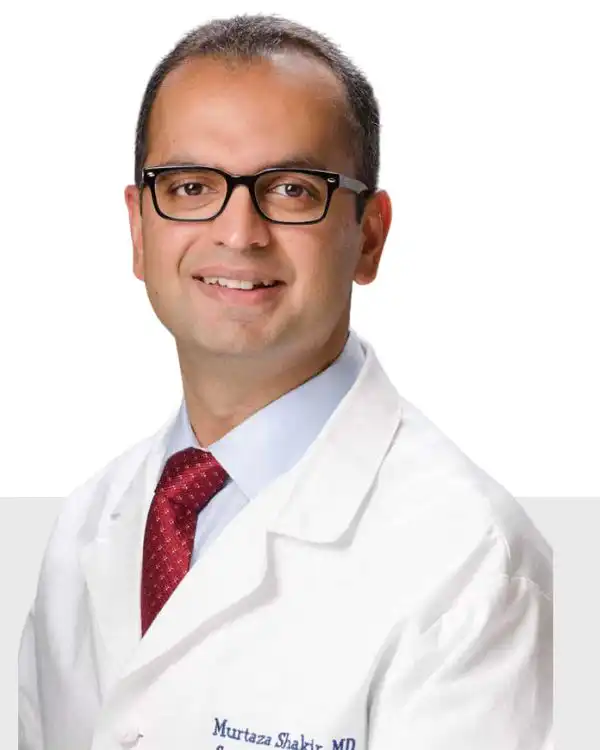
Dr. Murtaza Shakir is a board-certified General Surgeon and Surgical Oncologist serving patients in Katy and Sugar Land. He completed his medical degree at Aga Khan University, followed by General Surgery residency at Riverside Methodist Hospital. He later completed a two-year Surgical Oncology fellowship at UPMC. Recognized by Houstonia Magazine as one of Houston’s top general surgeons, he treats conditions such as gallbladder disease, hernias, and complex abdominal issues. Dr. Shakir also specializes in cancers of the colon, rectum, liver, and pancreas, and performs advanced laparoscopic and robotic surgeries. LEARN MORE
Types of Gallbladder Conditions We Treat
Gallstones
Gallstones are hardened deposits of cholesterol or bile that form in the gallbladder. They may remain silent or cause severe pain and complications when they block bile flow.
Cholecystitis
Cholecystitis is inflammation of the gallbladder and often requires urgent medical care. Surgery is commonly recommended to prevent infection or rupture.
Choledocholithiasis
This condition occurs when gallstones block the common bile duct. Treatment may involve endoscopic stone removal followed by gallbladder surgery.
Gallbladder Polyps
Most polyps are benign, but larger or symptomatic polyps may require surgical removal due to cancer risk.
Gallbladder Cancer
Although rare, gallbladder cancer requires specialized surgical and oncologic care. Early evaluation improves outcomes.
How Gallbladder Surgery Is Performed
Minimally Invasive Gallbladder Surgery
Most gallbladder surgeries are performed using laparoscopic or robotic techniques. Benefits include:
-
Small incisions
-
Less pain after surgery
-
Faster recovery
-
Minimal scarring
Open Gallbladder Surgery
Open surgery may be recommended in complex cases or severe inflammation. Your surgeon will discuss the safest approach based on your condition.
What to Expect Before and After Surgery
Before Surgery
-
Medical evaluation and imaging such as ultrasound
-
Review of medications and health history
-
Clear explanation of the procedure and recovery
After Surgery
-
Same-day or next-day discharge in most cases
-
Gradual return to normal activities
-
Temporary dietary adjustments
-
Follow-up visits to monitor recovery
Most patients return to light activities within a few days and resume normal routines within a few weeks.
Life After Gallbladder Removal
After gallbladder removal, bile flows directly from the liver into the small intestine. Most people digest food normally without long-term issues.
Some patients may experience temporary loose stools or bloating, which usually improves with dietary adjustments. Our team provides guidance on foods to eat after gallbladder surgery to support smooth recovery.
Why Choose Surgical Associates of Southern Texas
Patients choose our practice because we offer:
-
Board-certified General Surgeon and Surgical Oncologist
-
Advanced laparoscopic and robotic gallbladder surgery
-
Personalized treatment plans
-
Comprehensive pre- and post-operative care
-
Convenient locations in Katy and Sugar Land
Dr. Shakir has been recognized as a top General Surgeon in Houston and brings advanced surgical expertise to both routine and complex gallbladder conditions.
Patient Care


Frequently Asked Questions About Gallbladder Surgery in Katy and Sugar Land
How do I find a gallbladder specialist near me
If you are searching for a gallbladder specialist near you, it is important to see a board-certified general surgeon with experience in gallbladder disease and minimally invasive surgery. At Surgical Associates of Southern Texas, gallbladder care is provided by Dr. Murtaza Shakir, a board-certified General Surgeon and Surgical Oncologist serving patients in Katy, Sugar Land, and Greater Houston. A surgical consultation helps confirm the diagnosis and determine whether surgery is needed.
Do I need gallbladder removal surgery if I keep having pain
Gallbladder removal surgery is commonly recommended when pain keeps coming back, especially pain in the upper right abdomen after eating fatty foods. Even if symptoms improve temporarily, gallbladder attacks often return and may worsen over time. Surgery removes the source of the problem and helps prevent complications such as infection, bile duct blockage, or pancreatitis.
Is gallbladder removal surgery safe
Yes. Gallbladder removal surgery, also called cholecystectomy, is one of the most frequently performed surgeries in the United States. When performed by an experienced surgeon, it is considered very safe. Most procedures are done using minimally invasive techniques, which typically result in less pain, faster recovery, and smaller scars.
Who is the best surgeon near me for gallbladder surgery
The best gallbladder surgeon is one who is board certified, experienced, and trained in advanced surgical techniques. Dr. Murtaza Shakir is a board-certified General Surgeon and Surgical Oncologist who has been recognized as a top general surgeon in Houston. He specializes in laparoscopic and robotic gallbladder surgery and provides personalized care for patients in Katy and Sugar Land.
Where are gallbladder surgery consultations available in Katy and Sugar Land
Gallbladder surgery consultations are available at two convenient locations:
-
Katy Office: 410 W Grand Pkwy S, Suite 4D, Katy, TX 77494
-
Sugar Land Office: 17510 W Grand Pkwy S, Suite 320, Sugar Land, TX 77479
Appointments are available Monday through Friday from 9:00 AM to 5:00 PM. To schedule a consultation, call (713) 955-9191.
Personalized Surgical Treatment from a Board-Certified Surgeon in Greater Houston.
Delivering safe, minimally invasive surgical solutions for hernia, gallbladder, and other general surgical conditions to help patients recover faster.

CONTACT US NOW
713-955-9191
Testimonials
Compassionate Care. Proven Surgical Results.
Exceptional surgical results begin with listening closely, understanding each patient’s concerns, and delivering care that treats every individual with the respect, compassion, and attention of family.

Jide Eboh
Houston
Surgical associates of Southern Texas is a great practice with amazing medical assistants, staff, and a great surgeon. Dr.Murtaza did a routine and successful Hernia repair with no complications. The staff was very kind and accompanying of my schedule as I am constantly out of town. I would recommend him to anyone searching for a general surgeon.
Maryna Solodka
Katy
Dr Shakir literally turned my life to the better! The level of professionalism and care he treated me with was the top, which is hard to meet nowadays in the digital world we live in. Dr. Shakir patiently answered all my questions before the surgery to ensure I knew what is and will be happening and so I could feel in peace. If you ever need to go through such life changing event like internal organ surgery I recommend you reach out to Dr Shakir so he can go through those changes with you!
Lydia Dennis
Sugar Land
My gastroenterologist referred me to Dr Shakir as an option for my gallbladder removal, and I’m so glad he did. From the initial consultation to today’s post-op appointment with Dr Shakir and his staff, everything went very smoothly. He did the robotic laparoscopic removal and the incisions look amazing. Dr Shakir is knowledgeable, efficient, and professional. I hope I don’t need a general surgeon in the future, but if I do, I’d 100% book another surgery with him.
Whether performing hernia repair or gallbladder surgery, Dr. Shakir is known for his precision, patient-focused professionalism, and dedication to outcomes that help patients feel confident and at ease.
He takes the time to clearly explain each step of the process, ensuring patients understand their options and feel fully prepared before surgery.
From consultation through recovery, his approach emphasizes safety, transparency, and compassionate care tailored to each individual’s needs.
OUr bLOGS
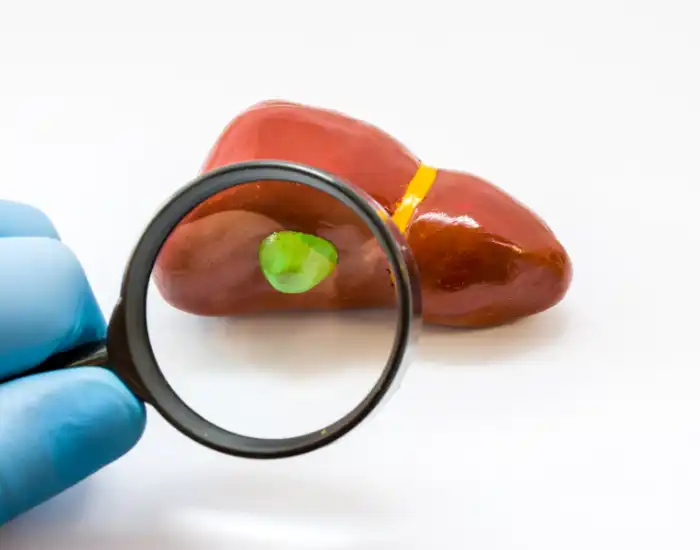
Post Cholecystectomy Syndrome: Why Symptoms Can Continue After Gallbladder Removal
Gallbladder surgery is often performed to relieve severe abdominal pain, gallstones, or repeated digestive attacks. Many patients expect immediate relief after the procedure and look forward to…
Making the most of surgical outputs
Having one-on-one interaction with our experienced surgeon helps understand the disease process and surgical procedure well. Whether it is for general surgery or surgical oncology, we always do our best to ensure the best possible surgical outcomes for both local and overseas patients .
Accepting Patients From Greater Houston, Katy, Sugar Land, Richmond, Fulshear Areas.
Patients visiting from the greater Houston and other areas of Texas are requested to call us for a confirming appointment. Overseas patients request us to contact us in advance for a detailed consultation.
Read More
Comprehensive Wound Care with In-Clinic & Mobile Services Across Houston
We provide advanced, personalized treatment for all types of wounds, including diabetic ulcers, chronic wounds, and post-surgical injuries. Our services are available both in-clinic and through mobile visits across Greater Houston. Healing is now easier—wherever you are.
Learn More