
Abdominal Pain • Patient Education
Understanding Upper Abdominal Cramping: Causes, Symptoms & Care
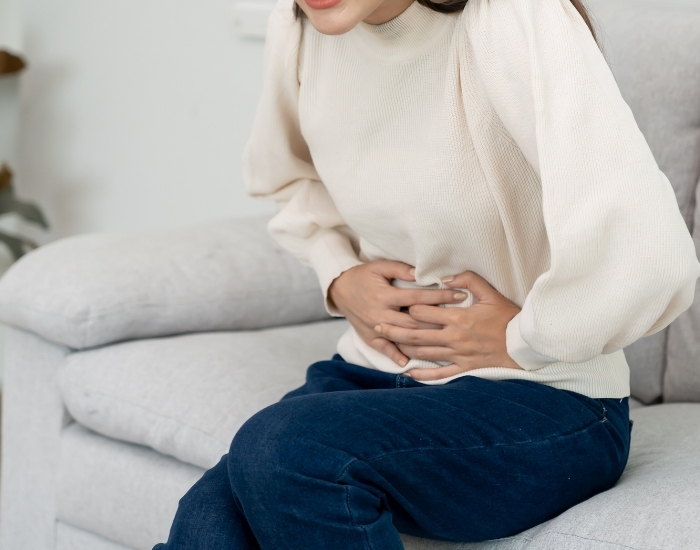
Upper abdominal cramping is one of those symptoms that can range from mildly annoying to seriously concerning. Most people experience it at some point in their lives—sometimes after a heavy meal, other times out of nowhere. Because the upper abdomen houses several major organs, this type of pain often prompts people to search Google to figure out what’s really going on. While many causes are harmless, some require medical attention, especially if the pain becomes severe, persistent, or is accompanied by alarming symptoms.
In this blog, we’ll break down what upper abdominal cramping may mean, why it happens, the most common causes, and when it’s time to see a doctor. Our goal is to help you understand your symptoms with clarity—not create fear—so you can make informed decisions about your health.
By Surgical Associates of Southern Texas · Katy and Sugar Land, TX · November 2025
On This Page
Symptoms that won’t settle? Get a clear answer.
Consult with Dr. Murtaza Shakir, board-certified general surgeon. Call now, or send us your details and our team will call you back.
What You’ll Learn
- What Does Upper Abdominal Cramping Feel Like?
- Common Causes of Upper Abdominal Cramping
- When Should You Worry About Upper Abdominal Cramping?
- At-Home Relief for Mild Upper Abdominal Cramping
- How Doctors Diagnose Upper Abdominal Cramping
What Does Upper Abdominal Cramping Feel Like?
People describe upper abdominal cramps in many different ways, including:
-
A tight, squeezing sensation
-
Sharp pain that comes and goes
-
A dull ache under the ribs
-
A twisting or heavy pressure feeling
-
Pain that worsens after eating
Sometimes the pain stays in one spot, like the upper right or upper left abdomen. Other times, it spreads toward the back, chest, or shoulder area. The pattern and location of the cramping often give clues about the underlying cause.
Common Causes of Upper Abdominal Cramping
1. Indigestion (Dyspepsia)
One of the most common causes, indigestion can lead to cramping, bloating, burning, and discomfort after meals. Eating too fast, overeating, or consuming spicy and greasy foods can trigger symptoms.
2. Gallbladder Problems
The gallbladder sits in the upper right abdomen, and when gallstones block the bile duct, the pain can be intense. Many people search for symptoms like:
-
Sharp right-side pain
-
Pain after fatty meals
-
Nausea or vomiting
-
Pain radiating to the right shoulder or back
Gallbladder-related cramps often occur suddenly and may last from minutes to hours.
3. Gastritis
When the stomach lining becomes irritated or inflamed, it can cause upper abdominal cramps, nausea, and burning sensations. This irritation may be caused by infection (H. pylori), alcohol, certain medications, or stress.
4. Acid Reflux or GERD
Stomach acid moving upward can irritate the esophagus, causing burning, tightness, and cramping in the upper abdomen—especially after eating or lying down.
5. Peptic Ulcers
Ulcers in the stomach or upper intestine can cause a gnawing, cramping pain in the upper abdomen. For some people, the pain improves after eating; for others, it gets worse.
6. Gas and Bloating
Gas trapped in the upper abdomen can cause pressure, tight cramping, or sharp pains. Stress, diet, and digestive disorders can all contribute to excess gas.
7. Pancreatitis
Inflammation of the pancreas causes sudden, severe upper abdominal pain that may radiate to the back. This is a medical emergency and is often associated with:
-
Persistent vomiting
-
Fever
-
Rapid heartbeat
8. Liver Issues
While less common as a cause of cramping, liver inflammation or congestion may lead to discomfort in the upper right abdomen.
When Should You Worry About Upper Abdominal Cramping?
Not every episode of stomach discomfort is serious. However, seek urgent medical care if you experience:
-
Severe or worsening pain
-
Persistent vomiting
-
Yellowing of the skin or eyes (jaundice)
-
High fever or chills
-
Pain radiating to the back or shoulder
-
Blood in stool or black, tarry stools
-
Difficulty breathing
These symptoms may indicate gallbladder infection, pancreatitis, internal bleeding, or other conditions that require immediate evaluation.
Key Takeaway So Far
So far we have covered what does upper abdominal cramping feel like, common causes of upper abdominal cramping, when should you worry about upper abdominal cramping. Next, we look at at-home relief for mild upper abdominal cramping, how doctors diagnose upper abdominal cramping, final thoughts.
At-Home Relief for Mild Upper Abdominal Cramping
For mild, occasional cramping, some simple steps may help:
-
Eat smaller, lighter meals
-
Avoid greasy or fried foods
-
Stay hydrated
-
Apply a warm compress
-
Avoid lying down immediately after eating
-
Try over-the-counter antacids or gas relief medications
But if symptoms keep returning, don’t ignore them—recurrent upper abdominal pain is a sign you should be evaluated by a healthcare professional.
How Doctors Diagnose Upper Abdominal Cramping
Clinicians typically use:
-
A detailed medical history
-
Physical examination
-
Blood tests
-
Ultrasound or CT scan
-
Stool testing
-
Endoscopy (if needed)
The goal is to identify the exact cause of your discomfort and create a personalized treatment plan.
Final Thoughts
Upper abdominal cramping has many possible causes, from simple indigestion to more serious medical conditions like gallbladder disease or pancreatitis. Paying attention to the location, severity, and triggers of your pain can help you understand what’s going on—but medical evaluation is essential if symptoms are severe or keep coming back.
If you’re experiencing persistent upper abdominal cramps, don’t wait. Early diagnosis can prevent complications and help you feel better faster. At Surgical Associates of Southern Texas, Dr. Murtaza Shakir and his team specialize in minimally invasive gallbladder surgery and comprehensive abdominal care, helping you recover quickly and safely. Whether you’re dealing with gallstones, gallbladder inflammation, or recurrent upper abdominal cramping, we provide expert diagnosis and personalised treatment every step of the way.
Need Help With These Symptoms?
If your symptoms are persistent, worsening, or affecting daily life, a surgical evaluation can help determine the cause and whether treatment may be appropriate. Dr. Murtaza Shakir sees patients at the Katy and Sugar Land offices.
Medical Disclaimer
This article is intended for general educational purposes only and is not a substitute for professional medical advice, diagnosis, or treatment. Symptoms can have many possible causes, and treatment decisions should be based on an individual medical evaluation. If you are experiencing severe or rapidly worsening symptoms, seek prompt medical attention. For a medical emergency, call 911 or go to the nearest emergency department.
References
- Mayo Clinic. Abdominal pain: When to see a doctor. mayoclinic.org.
- National Institute of Diabetes and Digestive and Kidney Diseases (NIDDK). Gallstones: Symptoms and Causes. niddk.nih.gov.
- National Institute of Diabetes and Digestive and Kidney Diseases (NIDDK). Appendicitis. niddk.nih.gov.
- National Institute of Diabetes and Digestive and Kidney Diseases (NIDDK). Acid Reflux (GER & GERD) in Adults. niddk.nih.gov.
Your Surgeon
About the Physician
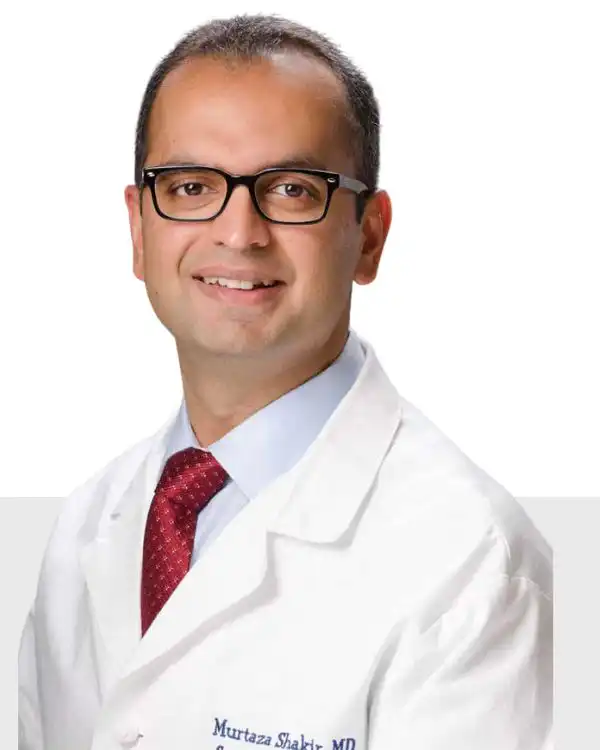
Murtaza Shakir, MD
Dr. Murtaza Shakir is a board-certified General Surgeon and is board certified in Complex General Surgical Oncology. He earned his medical degree at Aga Khan University, completed General Surgery residency at Riverside Methodist Hospital in Columbus, Ohio, and a two-year Surgical Oncology fellowship at the University of Pittsburgh Medical Center.
He evaluates and treats patients at Surgical Associates of Southern Texas in Katy and Sugar Land.
Board certified by the American Board of Surgery in:
- General Surgery
- Complex General Surgical Oncology
Surgical focus:
- Hernia repair: open, laparoscopic, and robotic
- Gallbladder surgery: laparoscopic and robotic
- General surgery
- Surgical oncology
Recognized by Houstonia Magazine among Houston’s top general surgeons. Learn more about general surgery.