
Oncology • Patient Education
Surgical Oncology: What Does a Surgical Oncologist Do and What Cancers Do They Treat?
When someone is diagnosed with cancer, one of the most crucial decisions involves choosing the right specialists for treatment. Surgical oncology is a specialized field focused on the surgical removal of tumors and affected tissues, playing a vital role alongside medical and radiation oncologists. Surgical oncologists are experts trained not only in performing complex cancer surgeries but also in helping diagnose and plan effective treatment strategies.
In this blog, we'll explore what a surgical oncologist does, the cancers they typically treat, and how they fit into the broader cancer care team.
By Surgical Associates of Southern Texas · Katy and Sugar Land, TX · June 2025
On This Page

Symptoms that won’t settle? Get a clear answer.
Consult with Dr. Murtaza Shakir, board-certified general surgeon. Call now, or send us your details and our team will call you back.
What You’ll Learn
- What Is a Surgical Oncologist?
- What Does a Surgical Oncologist Do?
- When Is Surgical Oncology Recommended?
- Types of Cancers Treated by Surgical Oncologists
What Is a Surgical Oncologist?
A surgical oncologist is a medical doctor who specializes in diagnosing and treating cancer through surgery. They are trained to remove tumors, perform biopsies, assess cancer stages, and carry out complex operations that may involve removing or reconstructing organs and tissues affected by cancer.
These specialists work closely with other oncology professionals to develop and carry out a coordinated treatment plan, particularly for solid tumors that require surgical intervention.
What Does a Surgical Oncologist Do?
Surgical oncologists have diverse responsibilities, including:
-
Diagnosis: Performing biopsies or excising tumors to determine if cancer is present.
-
Staging: Determining how advanced the cancer is by examining lymph nodes or surrounding tissues.
-
Tumor Removal: Surgically extracting cancerous tissues, often with the goal of complete removal.
-
Reconstructive Surgery: Repairing or rebuilding body parts affected by cancer surgery.
-
Palliative Surgery: Alleviating symptoms like pain, blockages, or bleeding in advanced stages.
They also manage preoperative and postoperative care, including infection control, pain management, and monitoring for recurrence.
When Is Surgical Oncology Recommended?
Surgery is often considered in cancer care when:
-
The tumor is localized and can be fully or partially removed.
-
The cancer hasn't spread extensively to other organs.
-
Biopsy or staging is needed to determine treatment.
-
Surgery can enhance the effectiveness of other treatments like chemotherapy or radiation.
-
Palliative relief is needed to improve comfort and quality of life in advanced cancer stages.
Not all cancers require surgery, but for many solid tumors, it is a key part of the treatment plan.
Types of Cancers Treated by Surgical Oncologists
Surgical oncologists treat a wide range of cancers. Below are some of the most common:
1. Breast Cancer
-
Procedures: Lumpectomy, mastectomy, and sentinel lymph node biopsies.
-
Goal: Remove tumors while preserving breast tissue or offering reconstructive options.
2. Colorectal Cancer
-
Procedures: Colectomy (removal of part or all of the colon), rectal resection.
-
Goal: Eliminate cancer and restore normal bowel function.
3. Skin Cancer (Including Melanoma)
-
Procedures: Excision of cancerous skin lesions, lymph node biopsies.
-
Goal: Completely remove the affected tissue and monitor for spread.
4. Thyroid and Parathyroid Cancer
-
Procedures: Partial or total thyroidectomy, lymph node dissection.
-
Goal: Remove cancerous glands while preserving hormone function if possible.
5. Pancreatic and Liver Cancer
-
Procedures: Whipple procedure, partial hepatectomy.
-
Goal: Remove tumors in these high-risk organs while minimizing complications.
6. Esophageal and Stomach Cancer
-
Procedures: Esophagectomy, gastrectomy.
-
Goal: Remove cancerous portions of the digestive tract and reconfigure for digestion.
7. Gynecologic Cancers
-
Procedures: Hysterectomy, ovarian tumor removal, debulking surgery.
-
Goal: Remove cancerous tissue while preserving reproductive or hormonal function when possible.
8. Sarcomas
-
Procedures: Excision of soft tissue or bone tumors, sometimes requiring limb-sparing techniques.
-
Goal: Remove the tumor while maintaining mobility and function.
5. Collaborating With a Surgical Oncologist
Surgical oncologists work closely with a multidisciplinary team to deliver personalized cancer care. This team often includes medical oncologists who manage chemotherapy and systemic therapies, radiation oncologists who handle radiation treatment, pathologists who confirm cancer type and staging, and rehabilitation specialists who help restore physical function post-surgery. Patients typically meet their surgical oncologist early in their treatment journey, with ongoing follow-up care to monitor for recurrence and address recovery needs. At Surgical Associates of Southern Texas, collaboration across specialties ensures patients receive seamless, well-coordinated cancer care from diagnosis through recovery.
6. How Surgical Associates of Southern Texas Can Help
At Surgical Associates of Southern Texas, patients benefit from expert surgical oncologists who specialize in diagnosing and treating various types of cancer through surgery. The team uses advanced techniques and evidence-based approaches to remove tumors, minimize complications, and enhance recovery. From the first consultation to post-operative follow-up, patients receive compassionate care tailored to their condition and overall health. With a strong focus on collaboration, innovation, and patient education, Surgical Associates of Southern Texas serves as a trusted partner throughout the cancer treatment process—helping patients navigate their journey with confidence and support.
Final Thoughts
Surgical oncologists bring specialized skill and precision to cancer treatment. Their role is crucial in both diagnosing and removing cancer, improving survival rates, and enhancing quality of life. If you or a loved one is navigating a cancer diagnosis, consulting with a surgical oncologist can clarify your options and provide a clearer path forward.
Disclaimer
This blog is intended for informational purposes only and should not be considered medical advice. If you have symptoms or concerns related to cancer or are considering surgery, please consult a licensed healthcare provider or surgical oncologist for a personalized evaluation and treatment plan.
Need Help With These Symptoms?
If your symptoms are persistent, worsening, or affecting daily life, a surgical evaluation can help determine the cause and whether treatment may be appropriate. Dr. Murtaza Shakir sees patients at the Katy and Sugar Land offices.
Medical Disclaimer
This article is intended for general educational purposes only and is not a substitute for professional medical advice, diagnosis, or treatment. Symptoms can have many possible causes, and treatment decisions should be based on an individual medical evaluation. If you are experiencing severe or rapidly worsening symptoms, seek prompt medical attention. For a medical emergency, call 911 or go to the nearest emergency department.
References
- American College of Surgeons. Surgical Patient Education: Operations and Procedures. facs.org.
- National Cancer Institute. A to Z List of Cancer Types. cancer.gov.
- National Comprehensive Cancer Network. NCCN Guidelines for Patients. nccn.org.
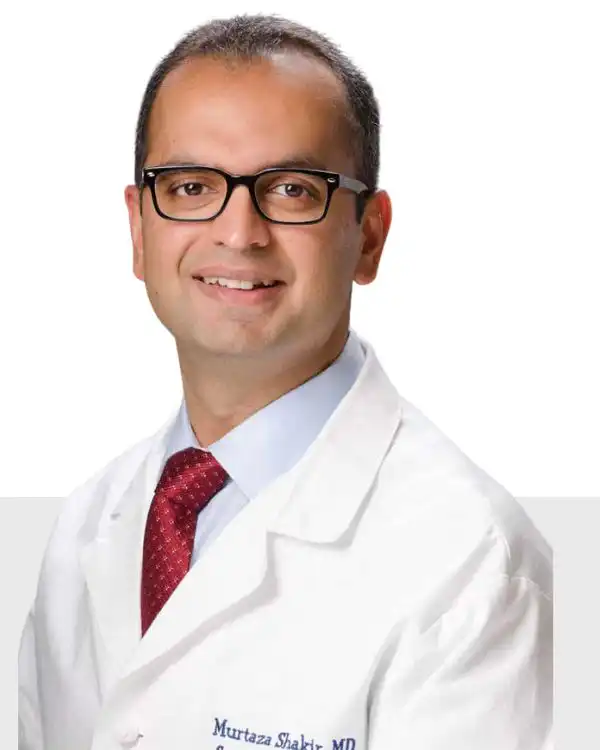
Your Surgeon
About the Physician
Murtaza Shakir, MD
Dr. Murtaza Shakir is a board-certified General Surgeon and is board certified in Complex General Surgical Oncology. He earned his medical degree at Aga Khan University, completed General Surgery residency at Riverside Methodist Hospital in Columbus, Ohio, and a two-year Surgical Oncology fellowship at the University of Pittsburgh Medical Center.
He evaluates and treats patients at Surgical Associates of Southern Texas in Katy and Sugar Land.
Board certified by the American Board of Surgery in:
- General Surgery
- Complex General Surgical Oncology
Surgical focus:
- Hernia repair: open, laparoscopic, and robotic
- Gallbladder surgery: laparoscopic and robotic
- General surgery
- Surgical oncology
Recognized by Houstonia Magazine among Houston’s top general surgeons. Learn more about general surgery.