
Oncology • Patient Education
Surgical Oncology for Liver Cancer in Houston: What You Need to Know
Liver cancer is a complex and serious condition that requires specialized care. For many patients, surgical oncology for liver cancer offers the best chance for long-term survival and disease control. Houston is home to several highly trained surgical oncology specialists who focus on removing liver tumors while preserving healthy liver tissue.
Understanding what surgical oncology entails, who qualifies for surgery, and what to expect before, during, and after the procedure can help patients make informed decisions about their care. This article explores the key aspects of surgical oncology for liver cancer in Houston, including treatment options, recovery, and expert considerations for choosing the right surgical team.
By Surgical Associates of Southern Texas · Katy and Sugar Land, TX · January 2026
On This Page
- What Is Surgical Oncology for Liver Cancer?
- Who Is a Candidate for Liver Cancer Surgery?
- Types of Liver Cancer Surgery
- How Surgical Oncologists in Houston Approach Liver Cancer
- Preoperative Evaluation and Planning
- What to Expect During Surgery
- Recovery After Liver Cancer Surgery
- Alternative or Complementary Treatments
- Final Thoughts
- Frequently asked questions
Symptoms that won’t settle? Get a clear answer.
Consult with Dr. Murtaza Shakir, board-certified general surgeon. Call now, or send us your details and our team will call you back.
What You’ll Learn
- What Is Surgical Oncology for Liver Cancer?
- Who Is a Candidate for Liver Cancer Surgery?
- Types of Liver Cancer Surgery
- How Surgical Oncologists in Houston Approach Liver Cancer
- Preoperative Evaluation and Planning
What Is Surgical Oncology for Liver Cancer?
Surgical oncology for liver cancer refers to the specialized field of surgery focused on treating liver tumors, both primary and metastatic. Surgical oncologists are trained to remove cancerous tissue while minimizing damage to healthy liver cells and maintaining liver function. The surgical approach can vary depending on tumor size, location, number of tumors, and overall liver health. These surgeons work closely with hepatologists, radiologists, and medical oncologists to create comprehensive, multidisciplinary treatment plans.
Who Is a Candidate for Liver Cancer Surgery?
Not all patients with liver cancer are candidates for surgery. Ideal candidates typically have:
- Early-stage liver tumors confined to the liver
- Adequate liver function and no significant cirrhosis
- Good overall health to tolerate major surgery
- Tumors that can be removed safely without affecting vital liver functions
Patients with advanced cancer or widespread metastases may not be eligible for surgery, but surgical oncologists can recommend alternative treatment options to manage the disease.
Types of Liver Cancer Surgery
Surgical options for liver cancer generally include:
- Liver resection (hepatectomy): Removing the tumor along with a portion of the liver. The liver’s regenerative ability allows many patients to recover well.
- Minimally invasive surgery: Laparoscopic or robotic-assisted procedures reduce recovery time and minimize complications for eligible patients.
- Liver transplantation: Considered for select patients with liver cancer and underlying liver disease, providing a new liver while addressing the cancer.
Each approach is chosen based on tumor characteristics, liver health, and patient needs.
How Surgical Oncologists in Houston Approach Liver Cancer
Surgical oncologists in Houston typically use a multidisciplinary approach to liver cancer to ensure optimal patient outcomes. This approach begins with detailed imaging, such as CT scans, MRI, or PET scans, to carefully assess the size, location, and extent of the tumor. Laboratory tests are performed to evaluate liver function and overall health. The surgical oncologist collaborates closely with medical oncologists, radiologists, and hepatologists to create a personalized treatment plan. Access to advanced surgical technologies, including minimally invasive and robotic-assisted techniques, allows surgeons to perform precise procedures while minimizing risks and improving recovery.
Preoperative Evaluation and Planning
Before liver cancer surgery, patients undergo a thorough preoperative evaluation to ensure safety and optimize outcomes. This evaluation typically includes blood tests to assess liver function and overall health, along with imaging studies to precisely locate tumors and guide surgical planning. Cardiac and pulmonary assessments may also be conducted to evaluate anesthesia risk. Additionally, patients often receive guidance on nutrition and lifestyle modifications to help the body prepare for surgery. Careful preoperative planning reduces the risk of complications and sets the stage for a smoother recovery process.
Key Takeaway So Far
So far we have covered what is surgical oncology for liver cancer, who is a candidate for liver cancer surgery, types of liver cancer surgery, and more. Next, we look at what to expect during surgery, recovery after liver cancer surgery, alternative or complementary treatments, followed by answers to common questions.
What to Expect During Surgery
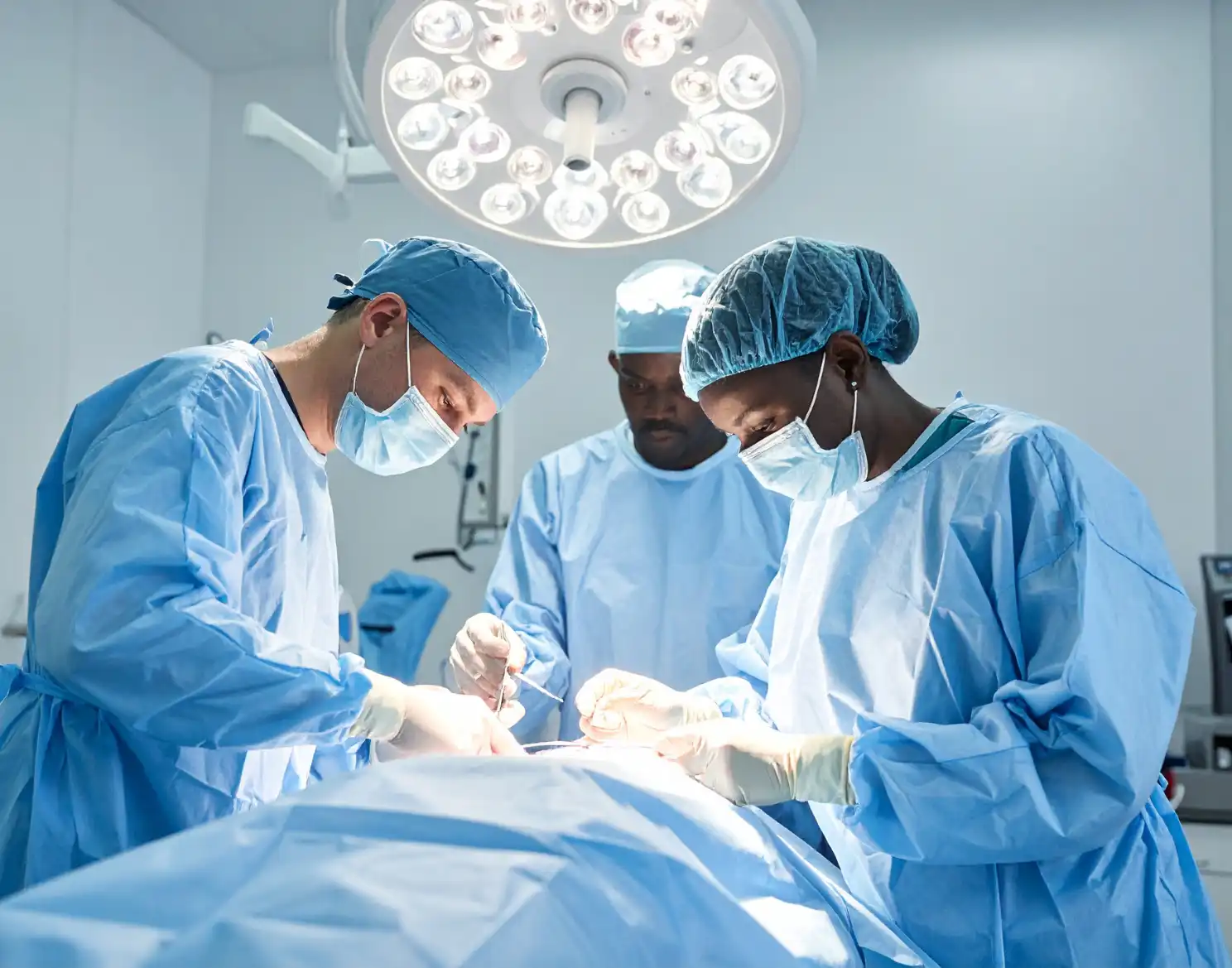
Liver cancer surgery is performed under general anesthesia in a hospital setting. During the procedure, the surgeon carefully removes the tumor while preserving as much healthy liver tissue as possible. For select patients with smaller tumors, minimally invasive techniques such as laparoscopic or robotic-assisted surgery may be used to reduce recovery time and surgical risks. Blood loss is closely monitored and managed throughout the procedure, and the length of surgery can vary depending on the complexity of the case. The surgical team focuses on precision, safety, and optimal outcomes for each patient.
Recovery After Liver Cancer Surgery
Recovery from liver cancer surgery varies depending on the extent of the procedure and patient health. Key points include:
- Hospital stays usually range from several days to a week
- Pain management, early movement, and gradual diet progression are important
- Follow-up imaging and blood tests monitor liver function and detect recurrence
- Full recovery may take several weeks, and patients are advised to avoid heavy lifting or strenuous activity until cleared by their surgeon
Proper postoperative care is essential for long-term success and quality of life.
Alternative or Complementary Treatments
Not every patient with liver cancer is eligible for surgery. In such cases, surgical oncologists may recommend alternative or complementary treatments to help control disease progression and improve quality of life. Ablation therapies, which use heat or cold to destroy tumors, can be effective for certain localized cancers. Liver-directed therapies, such as chemoembolization, deliver targeted treatment directly to the tumor while minimizing effects on healthy tissue. For specific tumor types, targeted therapies or immunotherapy may be used to slow cancer growth. In select cases, radiation therapy can also be employed to manage liver tumors. These non-surgical options provide patients with valuable alternatives when surgery is not feasible.
Final Thoughts
Surgical oncology for liver cancer in Houston provides patients with access to highly skilled specialists, advanced surgical techniques, and comprehensive care. Early evaluation by a qualified surgical oncologist is essential for identifying the most appropriate treatment and improving long-term outcomes. Patients benefit from a multidisciplinary approach that addresses both the cancer and overall liver health.
If you or a loved one has been diagnosed with liver cancer, consulting an experienced surgical oncologist is crucial. The team at Surgical Associates of Southern Texas offers expert evaluation, advanced surgical care, and a personalized approach to help patients navigate complex treatment decisions.
Disclaimer: This content is for informational purposes only and does not replace professional medical advice, diagnosis, or treatment. Always consult a qualified healthcare provider for personalized guidance regarding liver cancer care.
Frequently Asked Questions
Q1: Is surgical oncology the best option for all liver cancer patients?
No, surgery is typically recommended for early-stage liver tumors and patients with adequate liver function.
Q2: What is the success rate of liver cancer surgery?
Outcomes depend on tumor stage, patient health, and surgical expertise, but surgery offers the highest chance for long-term control.
Q3: How long does it take to recover from liver cancer surgery?
Most patients need several weeks for full recovery, with hospital stays ranging from a few days to a week.
Q4: Are minimally invasive procedures safe for liver cancer?
Yes, for select patients, laparoscopic or robotic-assisted surgery reduces recovery time and surgical risks.
Q5: Can liver cancer recur after surgery?
Yes, regular follow-up is essential to monitor for recurrence and manage it promptly if it occurs.
Need Help With These Symptoms?
If your symptoms are persistent, worsening, or affecting daily life, a surgical evaluation can help determine the cause and whether treatment may be appropriate. Dr. Murtaza Shakir sees patients at the Katy and Sugar Land offices.
Medical Disclaimer
This article is intended for general educational purposes only and is not a substitute for professional medical advice, diagnosis, or treatment. Symptoms can have many possible causes, and treatment decisions should be based on an individual medical evaluation. If you are experiencing severe or rapidly worsening symptoms, seek prompt medical attention. For a medical emergency, call 911 or go to the nearest emergency department.
References
- National Cancer Institute. Liver and Bile Duct Cancer - Patient Version. cancer.gov.
- National Cancer Institute. What Is Liver Cancer?. cancer.gov.
- MedlinePlus (U.S. National Library of Medicine). Liver Cancer. medlineplus.gov.
- National Comprehensive Cancer Network. NCCN Guidelines for Patients. nccn.org.
Your Surgeon
About the Physician
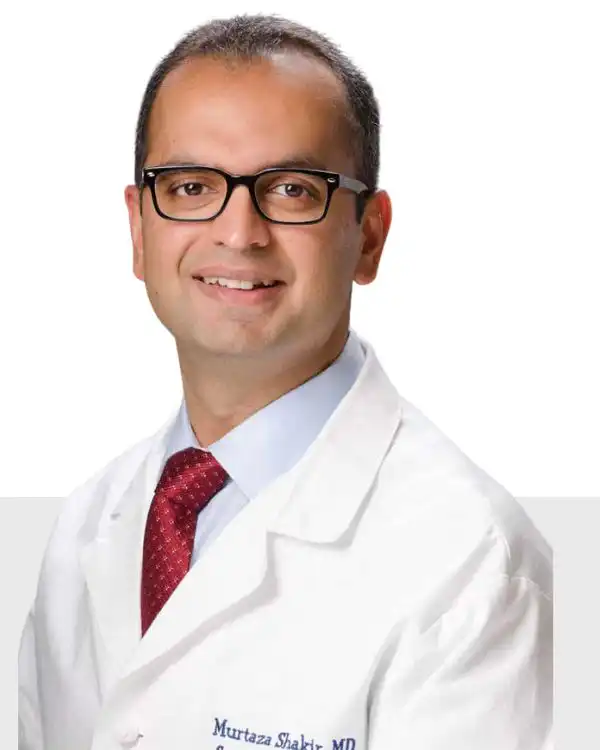
Murtaza Shakir, MD
Dr. Murtaza Shakir is a board-certified General Surgeon and is board certified in Complex General Surgical Oncology. He earned his medical degree at Aga Khan University, completed General Surgery residency at Riverside Methodist Hospital in Columbus, Ohio, and a two-year Surgical Oncology fellowship at the University of Pittsburgh Medical Center.
He evaluates and treats patients at Surgical Associates of Southern Texas in Katy and Sugar Land.
Board certified by the American Board of Surgery in:
- General Surgery
- Complex General Surgical Oncology
Surgical focus:
- Hernia repair: open, laparoscopic, and robotic
- Gallbladder surgery: laparoscopic and robotic
- General surgery
- Surgical oncology
Recognized by Houstonia Magazine among Houston’s top general surgeons. Learn more about general surgery.