Many people rarely think about the gallbladder until something goes wrong. A sudden episode of abdominal pain, nausea after eating, or a diagnosis of gallstones can quickly bring attention to this small but important organ. Patients who experience gallbladder problems often face a common question during medical consultations: what does a gallbladder do, and why does it matter for digestion?
This question becomes even more important when surgery is recommended. Some patients worry about how their body will function without the gallbladder. Others wonder whether digestive problems are connected to gallbladder disease or if another condition may be responsible.
Understanding what does a gallbladder do can help patients better recognize symptoms, make informed decisions about treatment, and feel more confident when discussing options with a healthcare provider.
Although the gallbladder is relatively small, it plays a meaningful role in the digestive process, particularly when it comes to breaking down fats from the foods people eat.
What Does a Gallbladder Do in the Digestive System?
To understand what does a gallbladder do, it helps to first understand how the digestive system processes food.
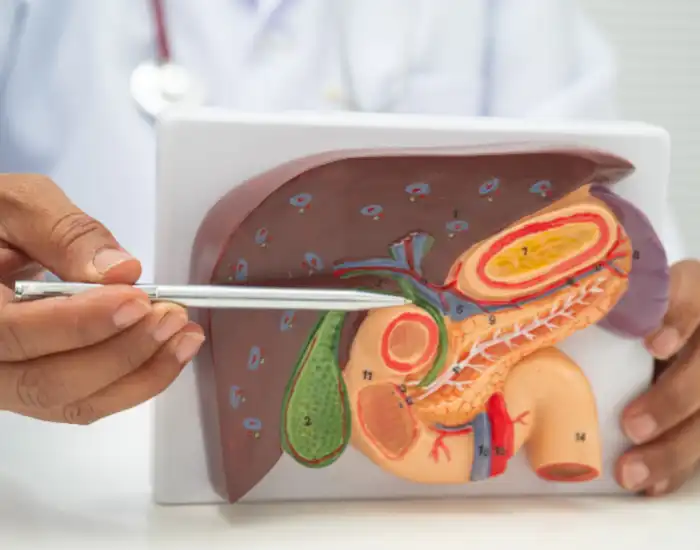
The liver produces a digestive fluid called bile. Bile helps break down fats so they can be absorbed by the body. Instead of flowing directly into the digestive tract at all times, bile is stored and concentrated in the gallbladder.
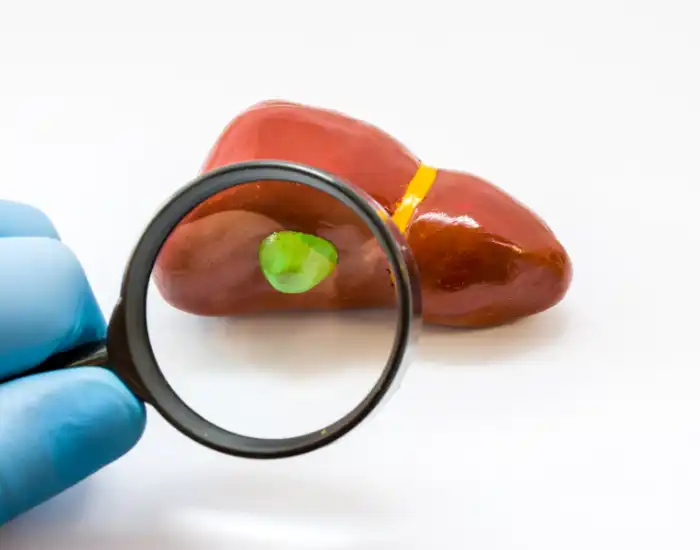
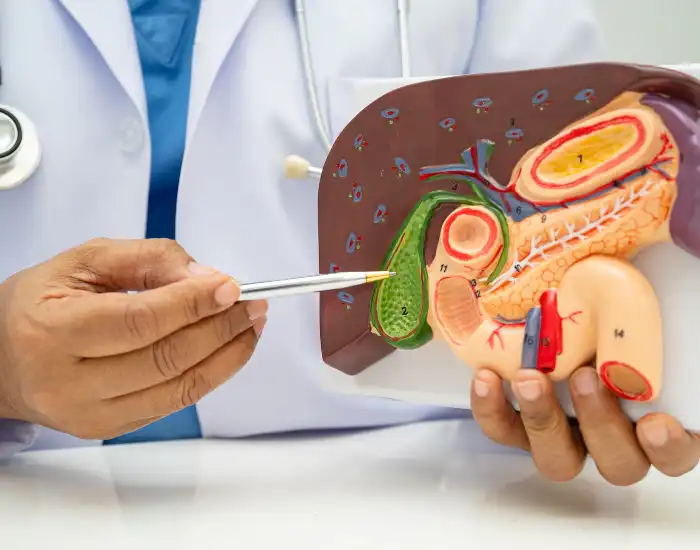
The gallbladder sits beneath the liver in the upper right area of the abdomen. Its primary function is to store bile and release it into the small intestine during digestion.
When a person eats a meal, especially one containing fat, the gallbladder contracts and releases bile through the bile ducts into the small intestine. This process helps the body digest and absorb nutrients from food.
In simple terms, the answer to what does a gallbladder do is that it stores and delivers bile to support efficient digestion.
The Location and Structure of the Gallbladder
Understanding the anatomy of the gallbladder can help clarify what does a gallbladder do in the body.
The gallbladder is:
-
A small, pear-shaped organ
-
About 3 to 4 inches long
-
Located beneath the liver
-
Connected to the liver and small intestine through bile ducts
Although it is small, the gallbladder can hold approximately 30 to 50 milliliters of bile. It also concentrates bile by removing excess water, making it more effective when released during digestion.
This ability to store and concentrate bile plays an important role in how the body processes fatty foods.
How the Gallbladder Helps Digest Fat
One of the most important answers to the question what does a gallbladder do relates to fat digestion.
Dietary fats require bile for proper breakdown and absorption. When fatty foods enter the digestive system, hormones signal the gallbladder to contract.
The gallbladder then releases bile into the small intestine, where it helps:
-
Break down fat molecules
-
Support nutrient absorption
-
Improve digestion of oily or fatty foods
Without bile, the body would struggle to properly digest fats. Although the liver continues producing bile even without the gallbladder, the organ helps deliver bile more efficiently during meals.
What Happens When the Gallbladder Is Not Working Properly
When discussing what does a gallbladder do, it is also helpful to understand what happens when the gallbladder becomes diseased or blocked.
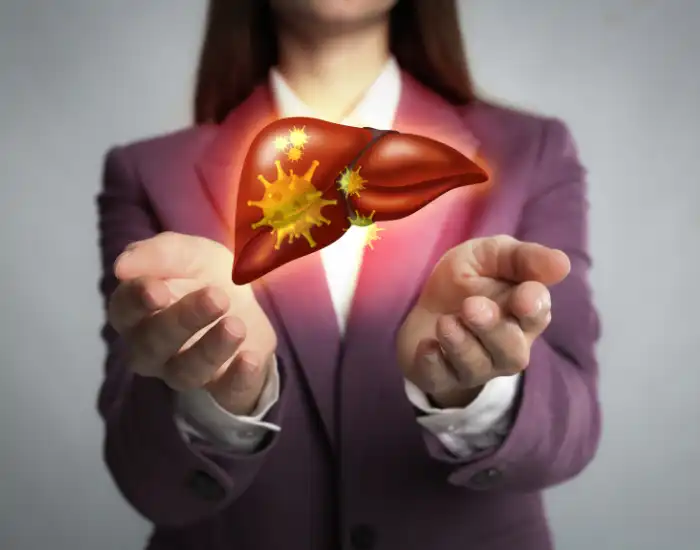
Gallbladder problems often develop when substances in bile form hardened deposits called gallstones. These stones can block the flow of bile and trigger symptoms.
Common gallbladder conditions include:
-
Gallstones
-
Gallbladder inflammation (cholecystitis)
-
Bile duct obstruction
-
Gallbladder infection
-
Gallbladder dysfunction
Symptoms of gallbladder problems may include:
-
Pain in the upper right abdomen
-
Nausea or vomiting after meals
-
Bloating or indigestion
-
Pain that radiates to the back or shoulder
-
Discomfort after eating fatty foods
When these symptoms appear, medical evaluation may be necessary.
Why Gallbladder Removal Is Sometimes Recommended
In many cases, gallbladder disease can be treated effectively with surgery. Gallbladder removal, known as cholecystectomy, is one of the most commonly performed surgical procedures.
Patients who learn what does a gallbladder do often wonder how the body adapts after its removal.
Fortunately, most people can live normally without a gallbladder. The liver continues to produce bile, which flows directly into the small intestine instead of being stored.
Surgery may be recommended when patients experience:
-
Repeated gallstone attacks
-
Gallbladder inflammation
-
Blockage of bile ducts
-
Complications related to gallstones
Patients searching online for a general surgeon near me often find specialists who evaluate and treat gallbladder conditions using minimally invasive techniques.
Can the Body Function Without a Gallbladder?
One of the most common concerns patients have after learning what does a gallbladder do is whether the body can function normally without it.
In most cases, the answer is yes.
After gallbladder removal:
-
The liver continues producing bile
-
Bile flows directly into the small intestine
-
Digestion still occurs normally
Some individuals notice temporary digestive adjustments, such as mild diarrhea or difficulty tolerating fatty foods during the early recovery period. These symptoms usually improve as the digestive system adapts.
Many patients return to normal eating habits after recovery from surgery.
Signs That Gallbladder Problems May Require Medical Attention
Understanding what does a gallbladder do can help patients recognize symptoms that require medical evaluation.
Medical attention may be necessary if symptoms include:
-
Severe abdominal pain lasting several hours
-
Fever or chills with abdominal pain
-
Yellowing of the skin or eyes
-
Persistent nausea or vomiting
-
Pain after eating fatty meals
These symptoms may indicate gallstones or other gallbladder conditions that require treatment.
Patients experiencing these symptoms may search for gallbladder surgery near me or consult a physician for further evaluation.
How Gallbladder Conditions Are Diagnosed
Doctors typically use several methods to diagnose gallbladder disease.
Evaluation may include:
-
A physical examination
-
Blood tests to assess liver function
-
Abdominal ultrasound imaging
-
CT scan or MRI imaging
-
Specialized imaging tests to examine bile flow
These diagnostic tools help determine whether symptoms are related to gallstones, inflammation, or other digestive conditions.
Accurate diagnosis allows doctors to recommend the most appropriate treatment plan.
Supporting Gallbladder Health
Although some gallbladder conditions develop unexpectedly, certain lifestyle habits may help support digestive health.
Helpful habits include:
-
Maintaining a healthy body weight
-
Eating balanced meals with moderate fat intake
-
Avoiding extremely high-fat diets
-
Staying physically active
-
Drinking adequate water
These habits may reduce the risk of gallstone formation and support overall digestive function.
Understanding what does a gallbladder do helps people recognize how diet and lifestyle choices influence digestive health.
Who Treats Gallbladder Conditions?
Several healthcare professionals may be involved in evaluating gallbladder symptoms.
Primary Care Physician
A primary care doctor may evaluate initial symptoms and recommend imaging tests.
Gastroenterologist
Digestive specialists often diagnose conditions affecting bile flow and the digestive tract.
General Surgeon
A general surgeon typically performs gallbladder removal when surgery is necessary.
Patients searching online for a general surgeon near me can find experienced surgical specialists who treat gallbladder conditions and perform minimally invasive procedures.
Conclusion
The gallbladder may be a small organ, but its role in digestion is important. Understanding what does a gallbladder do helps patients recognize how the digestive system processes fats and why gallbladder disease can cause significant discomfort.
The gallbladder stores and releases bile produced by the liver, allowing the body to efficiently digest fatty foods. When the gallbladder becomes diseased or blocked, symptoms such as abdominal pain, nausea, and digestive discomfort may develop.
Fortunately, effective treatments are available, including minimally invasive surgery when necessary. Most patients recover well and continue living healthy lives even after gallbladder removal.
If symptoms suggest gallbladder disease, consulting a qualified healthcare professional can provide clarity and guide appropriate treatment.
Medical Disclaimer: This content is intended for educational purposes only and does not replace professional medical advice, diagnosis, or treatment. Anyone experiencing symptoms related to gallbladder disease should consult a qualified healthcare professional for personalized medical evaluation and guidance.