 EN
 ES
 UR
 HI

Still uncomfortable after meals?
If digestive symptoms continue after gallbladder surgery, see board-certified general surgeon Dr. Murtaza Shakir in Katy or Sugar Land. Call (713) 955-9191, or send your details and our team will call you back.
THE SHORT ANSWER
After gallbladder surgery, eat small, low-fat meals four to six times a day: lean proteins, low-fat dairy, cooked vegetables, fruit, whole grains and plenty of water, while limiting fried, greasy and creamy foods at first. Most people tolerate fat better over the following weeks and can return to a normal, healthy diet. Persistent diarrhea or pain after eating should be checked.
Why Does Diet Matter After Gallbladder Surgery?
Diet matters because your body digests fat differently once the gallbladder is gone, and it takes time to adjust. The gallbladder stores bile, which helps digest fats, and releases a larger amount when you eat a fatty meal. After surgery, bile flows directly from the liver into the small intestine in a steadier stream instead. Learn more in what does a gallbladder do?
While the body adapts, some people notice:
- Mild diarrhea or softer, more frequent stools
- Bloating or gas
- Trouble tolerating fatty foods
- Indigestion
These changes are usually temporary. Cleveland Clinic notes that digesting fats and heavier meals may be harder for roughly the first month and should gradually improve. A planned menu helps your digestive system adjust gradually, reduces discomfort and keeps your nutrition on track while you recover.
What Are the Basic Rules for Eating After Gallbladder Removal?
The basic rules are low fat, small portions, enough fiber and fluid, and a slow return to richer foods. A post gallbladder surgery diet should be flexible, easy to follow and tailored to what you personally tolerate.
- Keep meals low in fat: limit fried foods, fatty cuts of meat and creamy sauces. Choose lean proteins such as chicken, turkey and fish, and low-fat dairy.
- Eat small, frequent meals: smaller portions four to six times a day put less load on digestion at any one time and suit the steady flow of bile.
- Include fiber, and build it up: fruits, vegetables and whole grains help regulate bowel movements and prevent constipation. Some people find very high-fiber foods hard to digest in the first days, so increase them gradually.
- Stay hydrated: drink water throughout the day. The American College of Surgeons suggests about 8 to 10 glasses a day after surgery. Avoid excessive caffeine or sugary drinks early in recovery.
- Reintroduce foods gradually: start with soft, simple, easy-to-digest foods and add higher-fat or more complex foods one at a time as tolerated.
What Foods Can I Eat After Gallbladder Surgery?
The foods that work best after gallbladder surgery are lean, low-fat and simply prepared. Good choices include:
- Lean proteins: chicken, turkey, fish, eggs, tofu
- Low-fat dairy: skim milk, yogurt, low-fat cheese
- Fruits: apples, pears, berries, bananas
- Vegetables: leafy greens, carrots, zucchini, squash
- Whole grains: brown rice, oats, whole wheat bread
- Healthy fats in small amounts: olive oil and avocado, with portions kept small
- Soups and broths: light, non-creamy soups that are easy to digest
These foods provide adequate nutrition without overwhelming the digestive system. For a longer list by food group, see foods to eat after gallbladder removal.
Which Foods Should I Limit or Avoid at First?
Foods high in fat, grease or sugar are the most likely to cause discomfort in the early weeks. Limit these at first:
- Fried or greasy foods
- High-fat meats such as bacon, sausage or beef ribs
- Creamy sauces, gravies and cheese-heavy dishes
- Large portions of nuts or seeds
- Spicy or heavily seasoned foods, if they cause bloating
- Sugary snacks and soda
Avoiding these early on lets your body adapt while keeping symptoms to a minimum. This is not a permanent ban: most of these foods can be tried again in small amounts later, one at a time, so you can see what your body handles.
Planning Gallbladder Surgery?
Board-certified general surgeon Dr. Murtaza Shakir can walk you through recovery and eating after surgery at a consultation in Katy or Sugar Land.
What Does a Sample Post Gallbladder Surgery Menu Look Like?
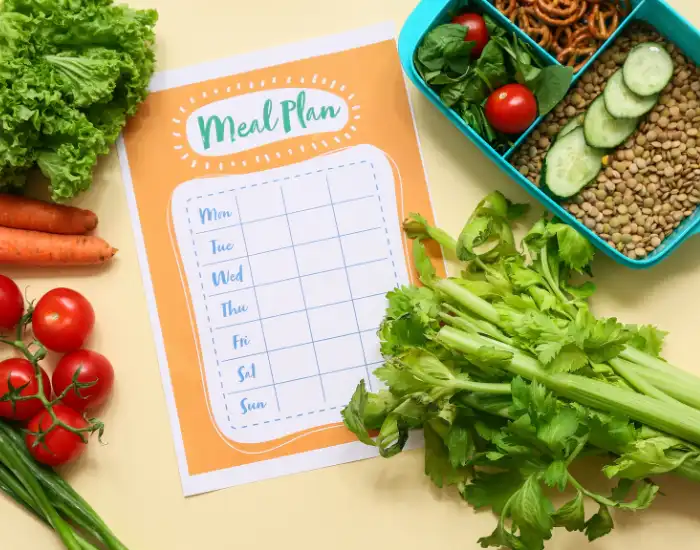
A sample day spreads six small, low-fat meals and snacks from breakfast to evening. Adjust it to your preferences while keeping the same principles.
| Meal | Sample foods |
|---|---|
| Breakfast | Oatmeal with berries and a splash of skim milk; herbal tea or water |
| Mid-morning snack | Banana or apple slices; low-fat yogurt |
| Lunch | Grilled chicken breast; steamed carrots and zucchini; brown rice or quinoa |
| Afternoon snack | Whole-grain crackers with hummus or low-fat cheese |
| Dinner | Baked fish such as cod or tilapia; steamed broccoli and cauliflower; a small portion of sweet potato |
| Evening snack | Low-fat yogurt or a small fruit salad |
If your stomach is sensitive in the first few days, start with the simpler items on this list, such as oatmeal, bananas, plain rice, broth and small portions of chicken or fish, and add the rest as you feel ready.
How Can the Menu Be Adapted for Different Needs?
The same low-fat, small-meal principles work for most eating styles with a few swaps:
- Vegetarian or vegan: tofu, lentils, legumes, whole grains, fruits and vegetables
- High-protein focus: lean meats, eggs, low-fat dairy and low-fat protein shakes
- Sensitive digestion: cooked vegetables, soft fruits, oatmeal, plain rice and small portions of lean protein
Common mistakes to avoid
- Eating large meals right after surgery
- Going back to high-fat or greasy foods too soon
- Ignoring mild digestive discomfort that keeps getting worse
- Skipping fiber-rich foods that help bowel function
- Relying on supplements instead of real food
How Do I Return to a Normal Diet Long Term?
Most people can return to a normal, healthy diet once recovery is complete; you can live a healthy life without a gallbladder. Even after recovery, many patients do well by keeping a few mindful habits:
- Keep fat moderate: reintroduce healthy fats gradually and in small portions
- Track symptoms: note which foods, if any, trigger discomfort
- Keep the diet balanced: include protein, fiber, vitamins and minerals
- Eat slowly: chew thoroughly and avoid overeating
- Stay hydrated: water and herbal teas support digestion
The National Institute of Diabetes and Digestive and Kidney Diseases notes that a small number of people have softer, more frequent stools after gallbladder removal, usually temporarily, and that these changes are worth discussing with your doctor. Read more about long-term effects of gallbladder removal and the overall gallbladder removal recovery timeline.
When Should I Call My Doctor After Gallbladder Surgery?
Call your doctor if digestive symptoms persist or keep you from eating normally, and call your surgeon promptly for signs of a surgical complication. Diet-related reasons to get professional guidance include:
- Persistent diarrhea or bloating
- Severe abdominal pain after eating certain foods
- Unintentional weight loss
- Signs of nutrient deficiency
Call your surgeon right away, or go to the emergency room if you cannot reach them, for:
- Fever over 101°F
- Pain that keeps getting worse or will not go away
- Continuous nausea or vomiting
- Yellowing of the skin or eyes, dark urine or light-colored stools
- Redness, swelling, bleeding or bad-smelling drainage from an incision
- Strong or continuous abdominal pain or swelling
- No bowel movement two to three days after surgery
Ongoing symptoms months after surgery are sometimes grouped as post-cholecystectomy syndrome, which has several possible causes and deserves a proper evaluation rather than more diet restriction.
Where Can Patients in Katy, Sugar Land and Houston Get Help After Gallbladder Surgery?
Start with the surgical team that did your operation, since they know exactly what was done and can tell whether a symptom is part of normal recovery. A dietitian or a general surgeon near you can personalize your post gallbladder surgery diet so you meet your nutritional needs with fewer symptoms.
At Surgical Associates of Southern Texas, Dr. Shakir sees patients from across the Houston area at offices in Katy and Sugar Land. If you are preparing for surgery or having digestive trouble afterward, it helps to bring:
- A short food and symptom diary from the past week or two
- Your operative report and discharge instructions, if surgery was done elsewhere
- A list of medications and supplements
Learn more about gallbladder surgery and Dr. Shakir, or request a consultation by calling (713) 955-9191.
Questions to Ask Your Surgeon About Eating After Gallbladder Surgery
- What should I eat in the first few days after surgery?
- How long should I keep my meals low in fat?
- Is loose stool normal, and when should I call you about it?
- Can I drink coffee or alcohol while I recover?
- Should I see a dietitian?
- Which symptoms after surgery mean I should call you right away?
Frequently Asked Questions
How long should I follow a low-fat diet after gallbladder removal?
Many people need to go easy on fat for the first few weeks, and Cleveland Clinic notes that fatty and heavy meals may be harder to digest for roughly the first month. After that, most people can gradually return to a normal, healthy diet, adding richer foods one at a time.
Is diarrhea normal after gallbladder surgery?
Mild diarrhea or softer, more frequent stools are common while the body adjusts and are usually temporary. Persistent diarrhea, or diarrhea with weight loss, should be discussed with your doctor.
Can I drink coffee after gallbladder surgery?
Avoid excessive caffeine early in recovery, since it can upset digestion. Water and herbal tea are better choices at first, and moderate amounts of coffee can often be reintroduced as you feel better.
Can I eat eggs after gallbladder surgery?
Yes. Eggs are a lean protein that most people tolerate well. Prepare them simply, such as boiled or poached, rather than fried in butter or oil during the first weeks.
Do I need supplements after gallbladder removal?
Most people meet their needs with a balanced diet of real food. Signs of nutrient deficiency or unintentional weight loss are reasons to see your doctor rather than to start supplements on your own.
Key Takeaway
After gallbladder surgery, small, frequent, low-fat meals with lean protein, fruits, vegetables, whole grains and plenty of water help your digestion adjust. Reintroduce richer foods gradually; most people return to a normal, healthy diet. Fever, worsening pain, yellowing skin or persistent vomiting need prompt medical attention.
Sources and Further Reading
- Cholecystectomy (Gallbladder Removal): Surgery & Recovery, Cleveland Clinic
- Cholecystectomy: Surgical Removal of the Gallbladder, American College of Surgeons
- Treatment for Gallstones, National Institute of Diabetes and Digestive and Kidney Diseases (NIDDK)
This article is general education, not personal medical advice. For severe abdominal pain, fever with abdominal pain, heavy bleeding, or yellowing of the skin or eyes, seek emergency care.
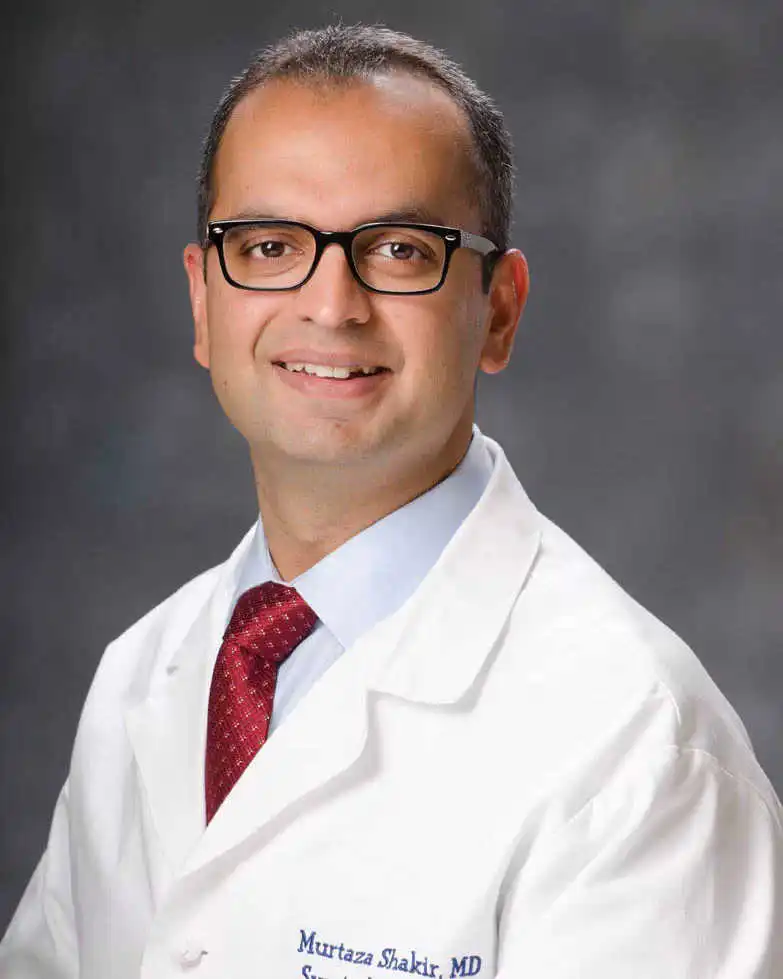
Meet the Surgeon
Dr. Murtaza Shakir is a board-certified General Surgeon and is board certified in Complex General Surgical Oncology. He earned his medical degree at Aga Khan University, completed General Surgery residency at Riverside Methodist Hospital in Columbus, Ohio, and a two-year Surgical Oncology fellowship at the University of Pittsburgh Medical Center. He sees patients at Surgical Associates of Southern Texas in Katy and Sugar Land.
Related Reading and Care
Schedule a Gallbladder Evaluation
Talk with Dr. Shakir in Katy or Sugar Land about gallbladder surgery, recovery or symptoms that have not settled.
This page provides general information and is not a substitute for medical advice. For severe abdominal pain or other emergencies, call 911 or go to the nearest emergency room. Last updated October 16, 2026.