
Gallbladder Removal Recovery
Gallbladder Removal Recovery: Week-by-Week Guide
What to Expect After Cholecystectomy: Pain, Diet, Activity, and Work
Most people recover quickly after laparoscopic or robotic gallbladder removal. Many go home the same day, walk that evening, return to desk work within about a week, and are back to a normal diet and full activity in two to four weeks. Knowing what is normal, and what is not, makes the first days at home far less worrying.
This guide from the office of Dr. Murtaza Shakir, a board-certified general surgeon and surgical oncologist in Katy and Sugar Land, covers pain, incisions, showering, diet, bowel changes, driving, work, exercise, and the warning signs that mean you should call. It is general information; the instructions you receive after your own operation take priority. For the operation itself, see laparoscopic gallbladder removal and our main gallbladder surgery page.
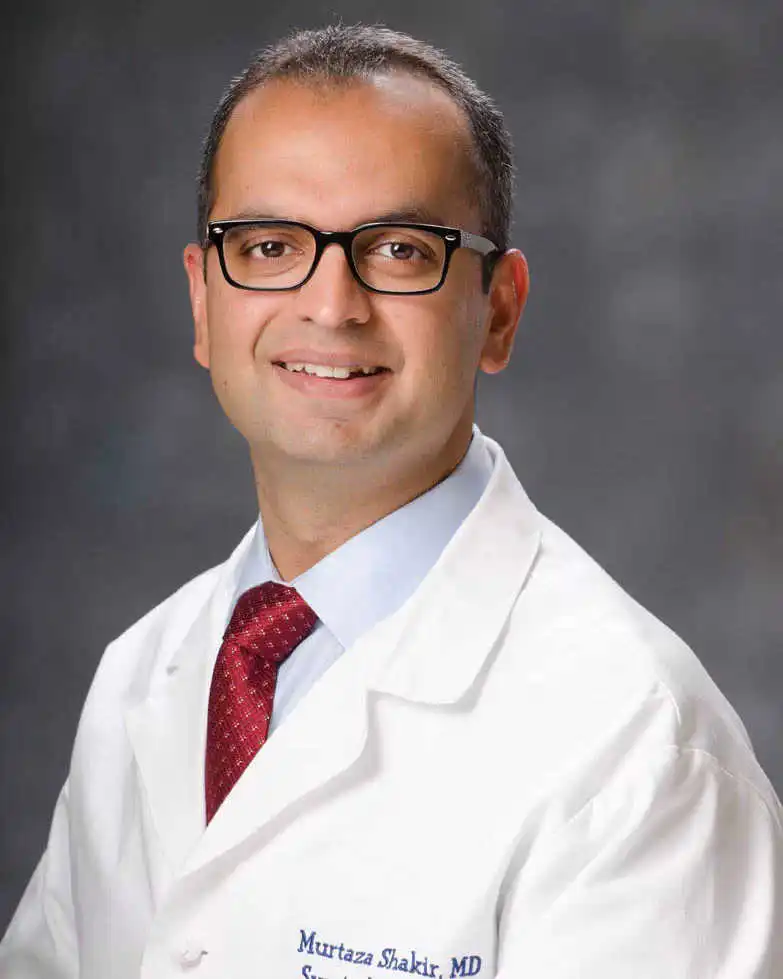
Meet the Surgeon
Dr. Murtaza Shakir, MD, general surgeon and gallbladder specialist in Katy and Sugar Land, TX
- Dual board certified in General Surgery and Complex General Surgical Oncology
- Named a Houstonia Top Doctor in General Surgery, 2026 (see listing)
- Highly reviewed: rated 4.9 stars on Google
- Specialized in laparoscopic and robotic gallbladder removal, post-operative recovery care, and complex abdominal surgery
Patient Reviews
What Patients Say About Gallbladder Surgery and Recovery
Rated 4.9 stars on Google. Real experiences from patients treated in Katy and Sugar Land.
Jump to a section
- At a glance
- The first 24 to 48 hours
- Week-by-week timeline
- Pain control
- Incision care and showering
- Diet after gallbladder removal
- Diarrhea and bowel changes
- Meet your surgeon
- Driving, work, and exercise
- Follow-up visit
- When recovery takes longer
- Life without a gallbladder
- Post-cholecystectomy syndrome
- Warning signs and when to call
- Patient reviews
- Why choose us
- Insurance
- Locations
- FAQs
- Schedule a consultation
At a Glance
Gallbladder Removal Recovery at a Glance
- What to expect
- After a routine laparoscopic or robotic operation, most people go home the same day and are back to a normal diet and full activity in two to four weeks.
- Pain
- Soreness at the incisions and under the right ribs for three to five days, usually controlled with acetaminophen and ibuprofen.
- Showering
- Usually fine after 24 to 48 hours. Avoid baths, pools, and hot tubs for about two weeks.
- Driving and work
- Driving once off narcotic pain medication, typically three to five days. Desk work in three to seven days; physical work in one to two weeks.
- Lifting and exercise
- Walk from day one. Avoid lifting more than about 15 pounds for two weeks; full exercise usually at two to four weeks.
- Diet
- Small, low-fat meals for one to two weeks, then a gradual return to a normal, unrestricted diet within about a month.
- Urgent warning signs
- Fever with chills, yellow skin or eyes, worsening abdominal pain or swelling, persistent vomiting, chest pain, or shortness of breath. Call 911 or go to the nearest emergency department.
- Where
- Follow-up at offices in Katy and Sugar Land, TX. Call 713-955-9191.
Day One
The First 24 to 48 Hours After Gallbladder Removal
The first day or two are the most uncomfortable part of recovery, and they improve quickly. After an uncomplicated laparoscopic or robotic operation, most people go home a few hours after surgery, once they are awake, comfortable, and drinking fluids. Because you have had general anesthesia, plan for an adult to drive you home and stay with you the first night.
Symptoms that get worse instead of better, a fever, or yellowing of the skin or eyes are not part of normal recovery. The warning signs are listed in full further down this page.
What Is Normal on the First Day
- Soreness at the small incisions and under the right ribs
- A bloated, full feeling in the abdomen
- Pain at the tip of one or both shoulders from the carbon dioxide gas used during surgery
- Drowsiness and mild nausea as the anesthesia wears off
- A mild sore throat from the breathing tube
What to Do at Home
- Walk short distances several times, starting the evening of surgery; walking eases gas pain and lowers the risk of blood clots
- Take pain medication as directed
- Sip fluids, and eat something light when you feel ready
- Rest when you are tired
- Leave skin glue or small dressings in place
If You Stayed in the Hospital
A severely inflamed gallbladder, a switch to open surgery, or other medical conditions can mean one or more nights in the hospital. Recovery then follows the same pattern on a longer timeline, as described in the section on slower recoveries below.
Recovery Timeline
Gallbladder Removal Recovery Week by Week
Most people feel noticeably better each day and are close to normal by two to four weeks. The timeline below applies to a routine laparoscopic or robotic operation. Open surgery, a severely inflamed gallbladder, or other medical conditions lengthen each stage, so use it as a guide rather than a deadline.
Day 1: Home and Walking
Most patients go home a few hours after surgery. Expect incision soreness, bloating, and shoulder-tip discomfort from the gas. Walk short distances several times, sip fluids, and eat lightly if you feel like it.
Days 2 to 4: Turning the Corner
Pain improves noticeably each day, and most people move from prescription medication to acetaminophen and ibuprofen. You can usually shower after 24 to 48 hours. Small, low-fat meals sit best, and loose stools are common.
Week 1: Daily Life Returns
Normal walking, stairs, and light household tasks are fine. Driving usually resumes within three to five days, once you are off narcotic pain medication and can brake comfortably. Many people return to desk work by the end of the week.
Week 2: Restrictions Ease
Energy returns, dressings are off, and skin glue flakes away. After a routine operation, the lifting limit of about 15 pounds usually ends at two weeks. A follow-up visit is usually scheduled around this time.
Weeks 3 to 4: Back to Normal
Most people return to a normal diet and full activity, including exercise and heavier lifting, unless Dr. Shakir has advised a longer restriction. Occasional bloating or looser stools after a fatty meal may linger but are usually settling.
After the First Month
Recovery is essentially complete. The small scars keep fading over several months. A minority of people stay sensitive to very fatty meals, and this generally improves further over the following months.
For a shorter overview of timing, read how long recovery after gallbladder removal takes.
Pain Control
How to Manage Pain After Gallbladder Surgery
Pain after laparoscopic or robotic gallbladder removal is usually moderate and short-lived. Soreness at the incisions and under the right ribs is expected for three to five days and eases a little each day. Pain that grows worse after the second day, instead of better, is not typical and deserves a call.
Pain Medication
Alternating acetaminophen and ibuprofen controls pain for most patients, as long as both are safe for you to take. A short course of stronger prescription medication may be provided for the first day or two if needed. Take only what you need, and do not drive or drink alcohol while taking narcotic pain medication.
Shoulder-Tip Pain From the Gas
Carbon dioxide gas is used to inflate the abdomen during surgery. The gas left behind irritates the diaphragm, which shares nerves with the shoulder, so the pain is felt at the shoulder tip. Walking and heat on the shoulder help, and it usually fades within a day or two.
Constipation From Pain Medication
Narcotic pain medication often slows the bowels. Plenty of fluids, a little extra fiber, regular walking, and a mild stool softener help. Constipation usually resolves once you stop the stronger medication.
Sleep and Comfort
Sleep in whatever position is comfortable; many people prefer being slightly propped up for the first few nights. Holding a pillow against your abdomen when you cough or get out of bed can ease incision soreness.
Incision Care
Incision Care and Showering After Gallbladder Removal
Small laparoscopic and robotic incisions need very little care: keep them clean, keep them dry between showers, and leave the skin glue or small dressings alone. Both come off on their own as the skin heals.
When Can I Shower?
Showering is usually fine after 24 to 48 hours. Let soapy water run over the incisions rather than scrubbing them, then pat them dry. Do not apply creams, ointments, or powders unless you have been told to.
Baths, Pools, and Hot Tubs
Avoid soaking the incisions in a bath, pool, or hot tub until they are fully sealed, usually about two weeks. Soaking softens healing skin and can raise the risk of infection.
What Normal Healing Looks Like
A little bruising and mild redness at the edges are normal, and so is a small firm ridge under an incision as it heals. The incision at or near the belly button is often the most tender, because it is usually where the gallbladder is taken out.
Signs of an Incision Problem
Call the office for spreading redness, warmth, swelling, increasing pain, or pus draining from an incision, or if an incision opens. These can be signs of a wound infection, which is usually easy to treat when caught early.
Eating After Surgery
What to Eat After Gallbladder Removal
Start with small, low-fat meals for the first one to two weeks, then add richer foods back gradually. Most people eat a normal, unrestricted diet within a month, and there is no permanent “gallbladder diet.”
The reason is simple. The gallbladder stored bile and released it in a burst when you ate. Without it, bile trickles steadily from the liver into the intestine. Ordinary meals digest normally, but a large, very fatty meal can briefly outpace that steady supply and cause bloating, cramping, or a loose stool. The intestine adapts over several weeks, and these episodes become less noticeable.
Eating in the First Two Weeks
- Small meals every three to four hours rather than three large ones
- Lean protein: chicken, fish, eggs, beans, and low-fat dairy
- Cooked vegetables, fruit, rice, potatoes, oatmeal, and whole grains
- Limit fried foods, fatty meats, cream sauces, and rich desserts
- Add fiber gradually to avoid bloating
- Plenty of water; limit alcohol and very caffeinated drinks
- Reintroduce richer foods one at a time and notice how you feel
Adding Fat Back In
Bring richer foods back one at a time over the following weeks. If a particular food causes cramping or loose stools, set it aside for a couple of weeks and try again later. Fried foods, fatty meats, and creamy sauces are the most common early triggers.
Fluids, Alcohol, and Caffeine
Drink plenty of water, especially if your stools are loose. Limit alcohol and strong caffeinated drinks during early recovery, since both can upset digestion. Avoid alcohol completely while you are taking narcotic pain medication.
For meal ideas, see foods to eat after gallbladder removal and a sample post-surgery menu.
Digestive Changes
Diarrhea and Bowel Changes After Gallbladder Removal
Loose or more frequent stools are common in the first few weeks after gallbladder removal and usually settle on their own. Some people have the opposite problem, constipation from pain medication. Both are usually temporary.
Why Diarrhea Happens
Without a gallbladder to store bile, more bile acids can reach the large intestine, especially after fatty meals. Bile acids draw water into the colon, which loosens the stool. When this persists, it is called bile acid diarrhea.
What Helps
- Smaller meals with less fat
- Soluble fiber, such as oatmeal and bananas, added gradually
- Plenty of water to replace fluid lost in loose stools
- Noticing specific trigger foods and eating less of them
When Diarrhea Needs a Doctor
Diarrhea that persists beyond about two months is uncommon and worth discussing with Dr. Shakir or your primary doctor. A bile acid binding medication, prescribed by a doctor, often helps. Call sooner for diarrhea with fever, severe cramping, blood in the stool, or signs of dehydration such as dizziness or very little urine.
Your Surgeon
Meet Your Gallbladder Surgeon
Murtaza Shakir, MD
Board-Certified General Surgeon & Surgical Oncologist
Gallbladder surgery and recovery care at Surgical Associates of Southern Texas is led by Dr. Murtaza Shakir, who is board certified in General Surgery and Complex General Surgical Oncology.
Board certification
American Board of Surgery: General Surgery and Complex General Surgical Oncology
Medical degree
Aga Khan University
Residency
General Surgery, Riverside Methodist Hospital, Columbus, Ohio
Fellowship
Two-year Surgical Oncology fellowship, University of Pittsburgh Medical Center
Surgical practice includes
- Hernia repair
- Robotic surgery
- Laparoscopic surgery
- Complex abdominal surgery
- Gallbladder surgery
- Surgical oncology
Named a Houstonia Top Doctor in General Surgery (2026). Learn more about our general surgery services.
Getting Back to Normal
When Can I Drive, Work, Exercise, and Lift?
After a routine minimally invasive operation, most people drive within three to five days, return to desk work within three to seven days, and resume full exercise at two to four weeks. Listen to your body: if a movement causes sharp pain at an incision, back off for a few days. Timelines are longer after open surgery or a complicated operation.
Driving
Drive once you are no longer taking narcotic pain medication and can twist, check traffic, and brake hard without hesitation. For most people that is three to five days after surgery.
Returning to Work
Desk or light work is often possible within three to seven days. Physical work usually takes one to two weeks, and longer if the job involves repeated heavy lifting. A work note with restrictions is provided at your request.
Lifting
Avoid lifting more than about 15 pounds for two weeks after a routine operation. That limit includes small children, laundry baskets, and heavy grocery bags. Heavier lifting usually resumes at two to four weeks.
Exercise
Walk from day one and increase the distance daily. Light cardio is usually fine in week two. Running, weights, and core exercises typically resume at two to four weeks, depending on how you feel and what Dr. Shakir advises.
Walking and Stairs
Walking normally and climbing stairs are fine from the first days. Several short walks a day speed recovery, ease gas pain, and lower the risk of blood clots.
Travel
Short trips are fine within the first week. Longer flights are better after two weeks, and on any long trip you should get up and walk often to lower the risk of blood clots.
Follow-Up Care
Your Follow-Up Visit After Gallbladder Surgery
A follow-up visit is usually scheduled around two weeks after surgery at the Katy or Sugar Land office. It is a chance to check your incisions, review how you are eating and moving, and clear you for full activity.
The removed gallbladder is routinely examined by a pathologist. If the report has not already been discussed with you, ask about it at your visit.
You do not need to wait for that appointment to ask a question. Patients are encouraged to call the office whenever something about recovery does not feel right. General instructions are also on our post-operative care page, and our overview of enhanced recovery after surgery explains why early walking and eating matter.
What to Bring to Your Follow-Up
- A list of the medications you are taking, including pain medication
- Notes on any symptoms, such as bowel changes or pain after meals
- Questions about work, exercise, travel, or diet
- Any work or disability forms that need to be completed
Slower Recoveries
When Recovery Takes Longer
Recovery after open gallbladder surgery usually takes four to six weeks or more, and a difficult minimally invasive operation can also take longer than the typical timeline. Situations that commonly lengthen recovery include:
- Open surgery through a larger incision below the right ribs
- A switch from a minimally invasive to an open operation, made for safety during surgery
- A severely inflamed or infected gallbladder
- A bile duct stone that needed a separate procedure
- Other medical conditions, such as diabetes or heart or lung disease
- A hospital stay of one or more nights
After open surgery, expect a longer hospital stay, more incision pain, and longer restrictions on lifting and exercise. Dr. Shakir will give you a timeline for your own operation.
To see how the surgical approach is chosen, read about laparoscopic gallbladder removal and robotic gallbladder surgery, or compare robotic and laparoscopic surgery.
The Long View
Can You Live Normally Without a Gallbladder?
Yes. The gallbladder stores bile but does not make it; after removal, the liver keeps producing bile, which flows directly into the small intestine. Most people return to their previous diet, activity, and weight, and many feel considerably better than they did with recurring gallbladder attacks.
A small number of people notice looser stools after fatty meals for longer than a few months. This usually responds to smaller, lower-fat meals and, if needed, a bile acid binding medication prescribed by a doctor.
Weight After Gallbladder Removal
Removing the gallbladder does not by itself cause weight gain. Some people gain weight because they can now comfortably eat foods that used to trigger attacks. Sensible portions prevent this.
Tips for the First Few Months
- Keep meals moderate in size and fat while your digestion adjusts
- Increase fiber gradually
- Stay well hydrated
- Maintain a healthy weight; rapid weight loss or gain stresses digestion
- Note any food that reliably causes symptoms and moderate it
- Follow up with the office if diarrhea or pain persists beyond two months
Read more about the long-term effects of gallbladder removal and the rare problems that can appear years after gallbladder removal. Curious about the organ itself? See what the gallbladder does.
Ongoing Symptoms
What Is Post-Cholecystectomy Syndrome?
Post-cholecystectomy syndrome is the name for upper abdominal pain, indigestion, or diarrhea that continues or returns after the gallbladder is removed. It describes symptoms rather than one specific disease, and many cases have a cause that can be found and treated.
Symptoms can appear in the first weeks after surgery or months to years later. Mild symptoms are relatively common; severe, lasting symptoms are uncommon.
Possible Causes
- A gallstone left in, or passed into, the bile duct
- A small bile leak, in the early weeks after surgery
- Bile acid diarrhea
- Spasm or narrowing where the bile duct empties into the intestine (sphincter of Oddi dysfunction)
- Conditions unrelated to the gallbladder, such as acid reflux, ulcers, irritable bowel syndrome, or pancreatitis
How It Is Evaluated
Evaluation usually starts with a careful history, an exam, blood tests including liver and pancreatic enzymes, and an ultrasound. Depending on the findings, an MRI of the bile ducts (MRCP), a HIDA scan, an upper endoscopy, or an ERCP may follow. Treatment depends on the cause.
When to Get Checked
Contact the office if pain or diarrhea persists beyond two months, or if your symptoms feel like your old gallbladder attacks. Seek care promptly for pain with fever or with yellowing of the skin or eyes.
Our full article on post-cholecystectomy syndrome covers causes and treatment in more detail.
Warning Signs
Warning Signs After Gallbladder Removal: When to Call
Most recovery symptoms improve a little each day; symptoms that get worse instead of better deserve a call. Some soreness, bloating, and loose stools are expected. The signs below are not, and they help you decide whether to call the office or seek urgent care.
Bile Leak
Rarely, bile leaks from the sealed duct that connected the gallbladder or from tiny ducts in the liver bed. It typically causes worsening abdominal pain, bloating, fever, or nausea within the first days after surgery. A bile leak is treatable, often with a drain and an endoscopic procedure, but it needs prompt attention.
Retained Bile Duct Stone
A gallstone can remain in, or pass into, the bile duct after surgery. It may cause pain, jaundice, dark urine, pale stools, or fever. These stones are usually removed with an endoscopic procedure called ERCP.
Infection
A wound infection causes redness, warmth, and drainage at an incision and is usually treated simply. Less often, an infected fluid collection forms inside the abdomen and causes fever and pain; it is found with imaging and treated with antibiotics and sometimes drainage.
Blood Clots
A clot in a leg vein can cause calf pain, swelling, or redness. If a clot travels to the lungs, it can cause chest pain or sudden shortness of breath, which is an emergency. Walking early and often lowers the risk.
Call the Office the Same Day
- Fever above 101°F
- Redness, warmth, swelling, or drainage at an incision
- Pain not controlled by your prescribed medication
- Pain that worsens after the second day rather than improving
- Nausea that keeps you from eating for more than a day
- Diarrhea that persists beyond a few weeks
- Questions about returning to work or exercise
Call 713-955-9191, Monday to Friday, 9 AM to 5 PM.
Seek Urgent Care
- Fever with shaking chills
- Yellowing of the skin or eyes, dark urine, or pale, clay-colored stools
- Increasing abdominal swelling or a hard, distended abdomen
- Persistent vomiting or inability to keep fluids down
- Calf pain, swelling, or redness, which can signal a blood clot
If you cannot reach the office and symptoms are worsening, go to the nearest emergency department.
When Recovery Symptoms Need Emergency Care
Do not wait for a callback if you have chest pain, shortness of breath, severe or worsening abdominal pain, fever with yellow skin or eyes, or vomiting that stops you keeping fluids down. These can signal a blood clot, bile leak or blocked bile duct. For a medical emergency, call 911 or go to the nearest emergency department.
Why Choose Us
Why Patients Choose Us for Gallbladder Surgery and Recovery
Dr. Murtaza Shakir is board certified in General Surgery and Complex General Surgical Oncology and guides patients through gallbladder surgery recovery at offices in Katy and Sugar Land.
- Laparoscopic or robotic removal, usually as same-day surgery
- A written plan for pain, diet, activity and when to call
- Questions answered during recovery, not only at follow-up
- Bile duct surgery experience if a problem arises
- Pre-operative visits and follow-up in Katy and Sugar Land
Insurance Coverage
Insurance for Gallbladder Surgery
Surgical Associates of Southern Texas accepts many major insurance plans for gallbladder surgery and post-operative follow-up, including participating Aetna, Cigna, UnitedHealthcare, and Blue Cross Blue Shield plans. Our office can confirm whether your specific plan participates and whether a referral or prior authorization is needed before your visit.
Coverage, network participation, authorization requirements, and your share of the cost vary by plan. You can also review the insurance accepted for surgical care at our practice.
Aetna, Cigna, UnitedHealthcare, and Blue Cross Blue Shield are only some of the plans we accept. Plan-specific details are on our Aetna, Cigna, UnitedHealthcare, and Blue Cross Blue Shield pages. If your plan is not listed, contact our office and our team will help verify it.
Insurance participation and benefits vary by individual plan. Verification does not guarantee coverage, authorization or payment. Please contact our office and your insurer to verify benefits before treatment.
Our Locations
Two Convenient Fort Bend County Offices
Learn more about our Katy and Sugar Land practices, or view all locations.
Katy Office
410 W Grand Pkwy S, Suite 4D
Katy, TX 77494
Serves: Katy, Fulshear, Richmond, Cinco Ranch and West Houston
Sugar Land Office
17510 W Grand Pkwy S, Suite 320
Sugar Land, TX 77479
Serves: Sugar Land, Richmond, Stafford, Missouri City, Fort Bend County and Southwest Houston
Approximate Drive Times
From West Houston (Energy Corridor): about 15 minutes to Katy, or 25 to 30 minutes to Sugar Land.
From North Houston: about 40 to 50 minutes to either office, depending on traffic.
Common Questions
Frequently Asked Questions About Gallbladder Removal Recovery
How long does recovery from gallbladder removal take?
After laparoscopic or robotic removal, most people return to light activity within days, desk work within about a week, and a normal diet and full activity within two to four weeks. Recovery after open surgery takes four to six weeks or more.
Why do I have shoulder pain after gallbladder surgery?
Carbon dioxide used to inflate the abdomen irritates the diaphragm, which shares nerves with the shoulder. The pain usually fades within a day or two and improves with walking and heat.
What can I eat after gallbladder removal?
Small, low-fat meals for the first one to two weeks: lean protein, cooked vegetables, fruit, and whole grains. Reintroduce richer foods gradually; most people eat a normal diet within a month.
Is diarrhea normal after gallbladder removal?
Yes. Loose or more frequent stools in the first few weeks are common and usually settle as the intestine adapts to a steady flow of bile.
When can I drive after gallbladder surgery?
Once you are off narcotic pain medication and can twist and brake comfortably, typically three to five days after surgery.
When can I return to work?
Desk work is often possible in three to seven days and physical work in one to two weeks, longer if your job involves heavy lifting. A work note with restrictions can be provided.
When can I exercise and lift after gallbladder surgery?
Walk from day one. Avoid lifting more than about 15 pounds for two weeks, and return to running, weights, and core work at two to four weeks depending on how you feel and your surgeon’s advice.
Can I live normally without a gallbladder?
Yes. The liver continues to make bile, which flows directly into the intestine. After a short adjustment, most people notice no long-term difference in digestion.
Will I gain weight after gallbladder removal?
Gallbladder removal itself does not cause weight gain. Some people gain weight because they can now eat foods that previously triggered attacks; sensible portions prevent this.
What symptoms after surgery need medical attention?
Fever, worsening pain, yellow skin or eyes, dark urine or pale stools, persistent vomiting, incision redness or drainage, increasing abdominal swelling, or calf swelling. Chest pain or shortness of breath needs a 911 call.
Sources and references
- Gallbladder removal – laparoscopic – discharge, MedlinePlus Medical Encyclopedia, U.S. National Library of Medicine
- Gallbladder Removal Surgery (Cholecystectomy): Patient Information, Society of American Gastrointestinal and Endoscopic Surgeons (SAGES)
- Treatment for Gallstones, National Institute of Diabetes and Digestive and Kidney Diseases (NIDDK)
- Postcholecystectomy Syndrome, StatPearls, NCBI Bookshelf, U.S. National Library of Medicine
Reviewed by the Review Team at Surgical Associates of Southern Texas.
Medical Disclaimer: This page provides general information and is not a substitute for medical advice. For severe or worsening abdominal pain, fever with chills, yellowing of the skin or eyes, chest pain, shortness of breath, or other emergencies, call 911 or go to the nearest emergency room. Last updated October 16, 2026.
Schedule a Gallbladder Surgery Consultation
Facing gallbladder removal and want to know what recovery will involve for you? Schedule an evaluation with Dr. Murtaza Shakir to plan your first days at home, diet, driving, work and exercise. Already recovering with Dr. Shakir? Call the office with any questions. Offices in Katy and Sugar Land serve Richmond, Fulshear and Greater Houston.

Contact us now