 EN
 ES
 UR
 HI

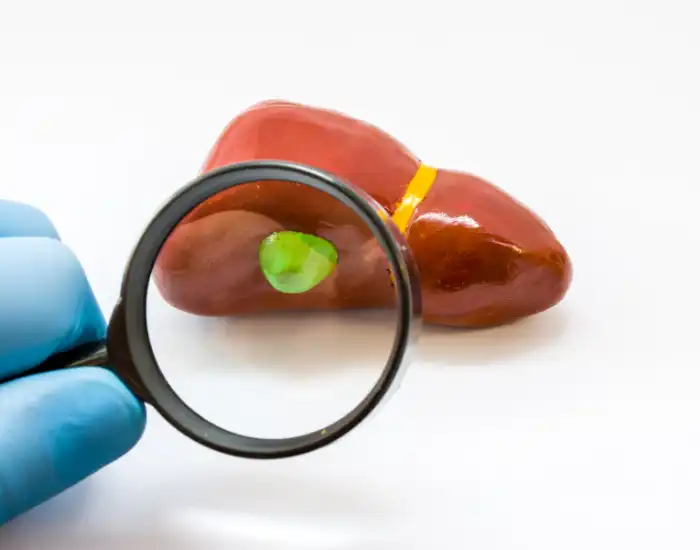
Still having symptoms after gallbladder surgery?
Have them evaluated by board-certified general surgeon Dr. Murtaza Shakir in Katy or Sugar Land. Call (713) 955-9191, or send your details and our team will call you back.
THE SHORT ANSWER
Post-cholecystectomy syndrome is the name for abdominal pain, bloating, diarrhea or other digestive symptoms that continue or start after gallbladder removal. It is not a single disease, and it usually has a specific cause, such as a stone left in the bile duct, sphincter of Oddi dysfunction, bile acid diarrhea or reflux. Once the cause is found, most patients can be treated effectively.
What Is Post-Cholecystectomy Syndrome?
Post-cholecystectomy syndrome is a group of digestive symptoms that occur after gallbladder removal surgery, either soon after the operation or months to years later. It describes the symptoms, not their cause.
The condition does not always mean something went wrong during surgery. Sometimes symptoms reflect the digestive system adapting to life without a gallbladder; other times, a separate problem is responsible. Cleveland Clinic describes it as a temporary diagnosis that applies until testing finds the underlying cause.
Because the symptoms often resemble the attacks that led to surgery, many patients worry their gallbladder disease has come back, even though the gallbladder is gone. Gallbladder removal relieves symptoms for most people, and post-cholecystectomy syndrome affects a smaller group. Reported rates vary widely between studies; a StatPearls review (National Library of Medicine) cites figures from about 5 to 30 percent, with most symptoms mild. A careful evaluation is the way to find out what is going on.
Why Can Symptoms Continue After the Gallbladder Is Removed?
Symptoms can continue because bile now flows differently, because a problem in the bile ducts remains, or because the original symptoms were never fully from the gallbladder. The gallbladder normally stores bile from the liver and releases it during meals. After removal, bile flows directly from the liver into the small intestine through the bile ducts.
For most people this change causes no major problems. In some, it contributes to symptoms through:
- Continuous bile flow into the intestines
- Changes in fat digestion
- Irritation of the intestinal lining
- Changes in gut bacteria
Surgeons also keep in mind that conditions such as reflux, ulcers or irritable bowel syndrome can cause upper abdominal pain that overlaps with gallbladder pain. If one of those was present before surgery, it may still be there afterward. For an overview of what changes over the years, see long-term effects of gallbladder removal.
What Are the Symptoms of Post-Cholecystectomy Syndrome?
The most common symptoms are upper abdominal pain, bloating, nausea and diarrhea, but they vary widely from person to person. Some people have mild discomfort, while others have symptoms that interfere with daily life. Common symptoms include:
- Persistent pain in the upper abdomen
- Bloating after meals
- Nausea or occasional vomiting
- Chronic diarrhea
- Gas and indigestion
- Fatty food intolerance
- Heartburn or acid reflux
- Feeling overly full after small meals
Some symptoms appear soon after surgery, while others develop much later. Because these symptoms overlap with many other digestive conditions, diagnosing post-cholecystectomy syndrome takes a careful medical evaluation rather than a guess.
What Causes Post-Cholecystectomy Syndrome?
The causes fall into two groups: problems related to the bile ducts and the surgery, and digestive disorders unrelated to the gallbladder. Treatment depends on which one is responsible.
Retained gallstones
Occasionally, stones remain in the bile ducts after gallbladder removal, or new ones form there. They can block bile flow and cause pain much like a gallbladder attack.
Bile duct injury or narrowing
Scar tissue or injury to the bile ducts can slow bile flow and contribute to symptoms.
Sphincter of Oddi dysfunction
The sphincter of Oddi is a small muscle that controls the flow of bile and pancreatic juice into the small intestine. If it does not open properly, digestive juices back up and cause pain. Cleveland Clinic notes that people who have had their gallbladder removed are the group most likely to develop it, and that researchers estimate about 20 percent of people with ongoing pain after gallbladder removal have this condition.
Bile acid diarrhea
Excess bile reaching the colon can irritate the lining of the bowel and cause chronic diarrhea.
Other digestive disorders
Conditions such as acid reflux, irritable bowel syndrome and peptic ulcer disease can cause symptoms that are mistaken for post-cholecystectomy syndrome. StatPearls also lists pancreatitis among the causes that are easy to overlook.
When Do Symptoms After Gallbladder Removal Need Medical Attention?
Mild digestive changes can be part of normal adjustment after surgery, but certain symptoms should not be ignored. See a doctor if you have:
- Persistent or worsening abdominal pain
- Fever or chills
- Yellowing of the skin or eyes (jaundice)
- Severe nausea or vomiting
- Unexplained weight loss
- Chronic diarrhea lasting several weeks
Go to the emergency room or call 911 for severe abdominal pain with fever or chills, new jaundice, or vomiting that keeps you from holding down fluids. These can signal a stone blocking the bile duct, a bile duct infection or pancreatitis, all of which need urgent treatment.
Early evaluation can prevent complications and identify treatable causes. If you are still within the first few weeks after surgery, your surgical team is the right first call.
Symptoms Back After Gallbladder Surgery?
Ongoing symptoms usually have a cause that can be found and treated. Request a consultation with board-certified general surgeon Dr. Murtaza Shakir in Katy or Sugar Land.
How Do Doctors Diagnose Post-Cholecystectomy Syndrome?
Diagnosis starts with a detailed history and exam, followed by tests chosen to separate bile duct problems from other digestive disorders. Surgeons ask whether the pain is the same as before surgery or different, when it started, whether it follows meals, and whether there has been jaundice, fever or a change in stool or urine color.
Common tests include:
- Blood tests to check liver and pancreatic function
- Abdominal ultrasound, a quick, noninvasive way to look at the bile ducts
- CT scan or MRI, including MRCP, a type of MRI that shows the bile ducts in detail
- Endoscopic procedures to evaluate bile flow and look for stones
- Stool tests for digestive disorders
Doctors usually start with the least invasive tests. ERCP, a scope procedure through the mouth into the bile duct, can both diagnose and treat a problem, but it carries a risk of pancreatitis, so it is generally reserved for patients whose earlier tests point to a bile duct cause. A clear diagnosis is what allows the right treatment plan.
How Is Post-Cholecystectomy Syndrome Treated?
Treatment targets the underlying cause, and many cases can be managed without surgery.
Medication
- Bile acid binding medications for diarrhea
- Acid-reducing medications for reflux symptoms
- Antispasmodic medications for abdominal discomfort
Dietary adjustments
- Eating smaller, more frequent meals
- Limiting high-fat foods
- Increasing fiber gradually
- Avoiding foods that trigger symptoms
Endoscopic treatment
If bile duct stones or narrowing are found, minimally invasive endoscopic procedures can remove stones or open the duct. For confirmed sphincter of Oddi dysfunction, a selected group of patients may be offered a procedure that cuts the sphincter muscle.
Surgical evaluation
In rare cases, surgery is needed when a structural problem is identified.
Who treats it?
- Primary care physician: evaluates symptoms first and arranges testing or referral.
- Gastroenterologist: evaluates bile flow and digestive function and performs endoscopic procedures.
- General surgeon: evaluates symptoms related to the original surgery or possible structural problems.
Can You Prevent Digestive Problems After Gallbladder Surgery?
Not every case can be prevented, but everyday habits support digestion and may reduce ongoing symptoms:
- Maintain a balanced diet
- Avoid large, high-fat meals
- Stay physically active
- Drink adequate fluids
- Manage stress
Most patients recover from gallbladder surgery and live normal, healthy lives without major digestive problems. The National Institute of Diabetes and Digestive and Kidney Diseases notes that changes in bowel habits after removal are usually temporary. When symptoms do persist, they are not unusual, and finding the cause usually leads to effective treatment. For meal planning, see foods to eat after gallbladder removal.
How Can Patients in Katy, Sugar Land and Houston Get Post-Gallbladder Symptoms Evaluated?
Book a consultation and bring as much of your surgical history as you can, especially if your operation was done elsewhere or years ago. That history often shortens the path to a diagnosis.
- Your operative report and the date of surgery
- Any blood tests, ultrasound, CT or MRI done since
- A symptom log: timing, triggers, stool changes and how the pain compares with your pain before surgery
- A list of medications, including any you have tried for reflux or diarrhea
Dr. Shakir evaluates ongoing digestive symptoms after gallbladder surgery for patients across the Houston area at offices in Katy and Sugar Land. Learn more about gallbladder surgery, read about problems after gallbladder removal years later, call (713) 955-9191 or request an appointment.
Questions to Ask Your Doctor About Post-Cholecystectomy Syndrome
- Do my symptoms point to a bile duct problem or a different digestive condition?
- Which tests do you recommend first, and why?
- Could a stone have been left in, or formed in, my bile duct?
- Is sphincter of Oddi dysfunction a possibility for me?
- Would a bile acid binding medication help my diarrhea?
- Do I need an ERCP, and what are its risks?
- Which symptoms should send me to the emergency room?
Frequently Asked Questions
How common is post-cholecystectomy syndrome?
Estimates vary widely between studies, from about 5 to 30 percent of patients, and most symptoms are mild. Gallbladder removal relieves symptoms for most people.
Does post-cholecystectomy syndrome mean my surgery failed?
Not necessarily. Many cases reflect the digestive system adapting, or a separate condition such as reflux or irritable bowel syndrome. Some cases do involve the bile ducts, which is why testing matters.
Can post-cholecystectomy syndrome go away on its own?
Mild symptoms from normal adjustment often improve over time. Symptoms caused by a duct stone, narrowing or sphincter problem usually need specific treatment, so persistent or worsening symptoms should be evaluated.
What does sphincter of Oddi dysfunction pain feel like?
It often resembles gallbladder pain: a stabbing pain in the upper right abdomen that may spread to the back or right shoulder. Cleveland Clinic notes episodes typically last 30 minutes to an hour.
What helps diarrhea after gallbladder removal?
Smaller meals, less fat and gradually more fiber help many people. If diarrhea lasts several weeks, a doctor may test for bile acid diarrhea, which often responds to bile acid binding medication.
Key Takeaway
Post-cholecystectomy syndrome describes symptoms that continue or start after gallbladder removal, and it usually has an identifiable cause. Bile duct stones or narrowing, sphincter of Oddi dysfunction, bile acid diarrhea and unrelated conditions such as reflux are the main possibilities. Testing finds the cause, and medication, diet changes or minimally invasive procedures usually bring relief.
Sources and Further Reading
- Postcholecystectomy Syndrome, StatPearls (National Library of Medicine)
- Sphincter of Oddi Dysfunction, Cleveland Clinic
- Cholecystectomy (Gallbladder Removal): Surgery & Recovery, Cleveland Clinic
- Treatment for Gallstones, National Institute of Diabetes and Digestive and Kidney Diseases (NIDDK)
This article is general education, not personal medical advice. For severe abdominal pain, fever with abdominal pain, heavy bleeding, or yellowing of the skin or eyes, seek emergency care.
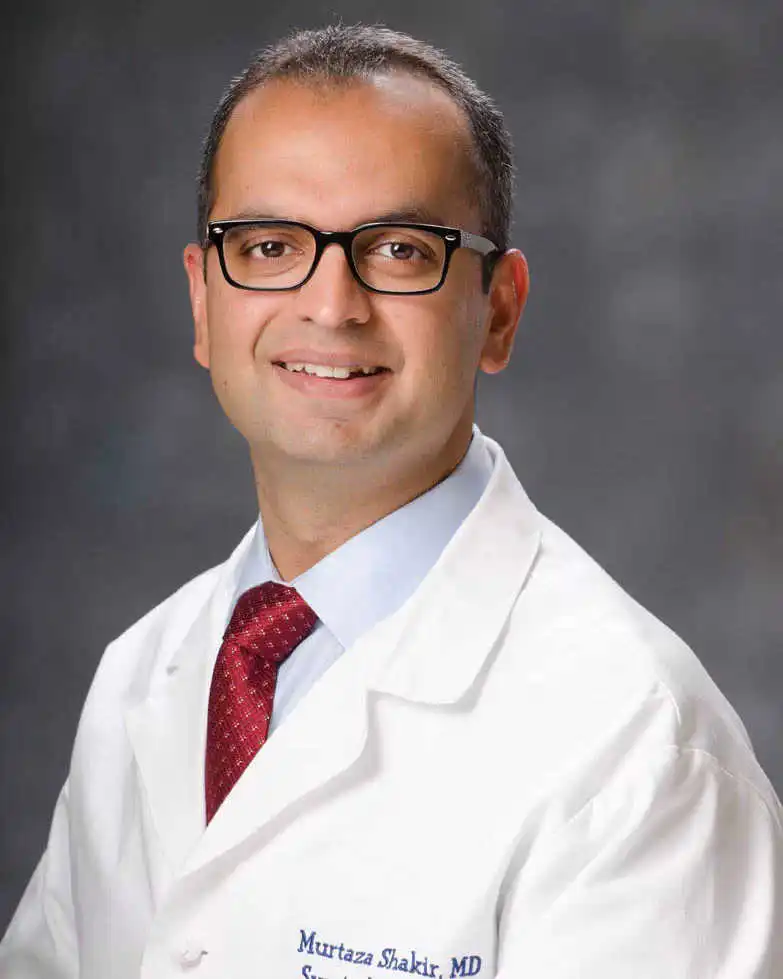
Meet the Surgeon
Dr. Murtaza Shakir is a board-certified General Surgeon and is board certified in Complex General Surgical Oncology. He earned his medical degree at Aga Khan University, completed General Surgery residency at Riverside Methodist Hospital in Columbus, Ohio, and a two-year Surgical Oncology fellowship at the University of Pittsburgh Medical Center. He sees patients at Surgical Associates of Southern Texas in Katy and Sugar Land.
Related Reading and Care
Schedule a Post-Gallbladder Surgery Evaluation
Have ongoing symptoms after gallbladder removal evaluated by Dr. Shakir in Katy or Sugar Land.
This page provides general information and is not a substitute for medical advice. For severe abdominal pain or other emergencies, call 911 or go to the nearest emergency room. Last updated October 16, 2026.