 EN
 ES
 UR
 HI


Diagnosed with a thyroid nodule or cancer?
Talk through your options with Dr. Murtaza Shakir, board certified in General Surgery and Complex General Surgical Oncology, in Katy or Sugar Land. Call (713) 955-9191, or send your details and our team will call you back.
THE SHORT ANSWER
Surgery is the most common and usually the first treatment for thyroid cancer, but it is not always necessary right away. Some very small, low-risk papillary cancers, usually under 1 cm with no sign of spread, can be safely watched with regular ultrasounds instead. Larger tumors, cancers that have reached the lymph nodes and aggressive types generally need surgery.
What Are Thyroid and Parathyroid Cancers?
Thyroid and parathyroid cancers are cancers of two small sets of glands in the neck. The thyroid helps regulate metabolism, and the parathyroid glands, which sit next to it, control calcium levels in the blood. Cancers in these glands range from slow-growing to aggressive, and that difference drives treatment.
Thyroid cancer is one of the most treatable cancers, especially when found early. The main types are:
- Papillary thyroid cancer: the most common type. It is generally slow-growing and often detected early.
- Follicular thyroid cancer: less common, and can spread to other parts of the body. Papillary and follicular cancers are called differentiated cancers and are usually curable.
- Medullary thyroid cancer: arises from the thyroid’s C cells, which make the hormone calcitonin. Some cases are hereditary, caused by an inherited change in the RET gene, so genetic testing may be recommended for you and your relatives.
- Anaplastic thyroid cancer: rare and aggressive. It spreads quickly and often needs immediate treatment.
Parathyroid cancer is very rare. It often shows up as a high calcium level in the blood, and surgery is typically the main treatment.
How Do Surgeons Decide Whether Thyroid Surgery Is Needed?
Surgeons decide by weighing the type and stage of the cancer against your overall health and your own preferences. The decision is highly individual, and the work-up usually includes:
- Neck ultrasound: shows the size of a nodule, whether it is solid or fluid-filled, its features and the nearby lymph nodes.
- Fine-needle aspiration biopsy: a thin needle, usually guided by ultrasound, collects cells for a pathologist to examine.
- Blood tests: such as TSH, and calcitonin or calcium levels when medullary or parathyroid disease is a concern.
- A vocal cord check (laryngoscopy): to see how the vocal cords move before any operation.
- CT or other imaging when the cancer may extend beyond the thyroid.
More aggressive cancers typically need prompt surgery. Your general health and ability to tolerate an operation also count, as does how you feel about surgery versus monitoring. Working with a multidisciplinary team of endocrinologists, oncologists and surgeons gives a well-rounded view and helps match the plan to your situation.
When Is Thyroid Surgery Recommended?
Thyroid surgery is usually recommended when a biopsy confirms cancer, especially in a larger nodule, or when cancer has spread to nearby lymph nodes. Common reasons include:
- Confirmed cancer: a biopsy shows thyroid cancer, particularly in a larger nodule.
- Tumor size: nodules larger than 1 cm, particularly those with suspicious features.
- Spread to lymph nodes: evidence that cancer has reached nearby neck nodes.
- Patient preference: some patients choose surgery for peace of mind, even when monitoring is an option.
The operation is tailored to the cancer:
- Lobectomy: removes one lobe of the thyroid. It may be used for small differentiated cancers confined to one side with no sign of spread, or when a biopsy result is unclear.
- Total or near-total thyroidectomy: removes all or nearly all of the gland. It is the most common surgery for thyroid cancer, especially for larger tumors, cancer in both lobes or higher-risk features.
- Lymph node removal: nodes that look involved are often removed during the same operation, because thyroid cancer most often spreads first to the neck lymph nodes.
Read more about thyroid and parathyroid cancer treatment at the practice.
Can Thyroid Cancer Be Watched Instead of Removed?
Yes, for some patients. Not every thyroid cancer needs immediate surgery, and active surveillance (watchful waiting) can be a safe choice in carefully selected cases. The American Thyroid Association notes that small papillary cancers under 1 cm, called papillary microcarcinomas, may be observed very safely without surgery. Active surveillance is usually considered for patients with:
- Small, low-risk tumors: less than 1 cm, with no signs of spread
- No symptoms: people who feel well and prefer monitoring
- High surgical risk: other health conditions that make an operation risky
Surveillance is planned monitoring, not ignoring the cancer. It relies on regular neck ultrasounds and physical exams, and surgery is considered if the tumor grows or changes. It is a shared decision between you and your care team.
What Treatment May Follow Thyroid Surgery?
Some patients need additional treatment after surgery, depending on the type of cancer and the risk of it coming back.
- Thyroid hormone pills: after a total or near-total thyroidectomy, you will need daily thyroid hormone (levothyroxine) for life to replace what the gland made. After a lobectomy, some people do not need pills because part of the gland remains.
- Radioactive iodine: may be used after thyroidectomy for some differentiated cancers that are larger, have spread to lymph nodes or carry a higher risk of recurrence, to destroy remaining thyroid tissue.
- Other treatments: external radiation, chemotherapy, targeted therapy or immunotherapy may be used for advanced or aggressive cancers.
Follow-up visits, blood tests and ultrasounds continue after treatment to watch for recurrence. Learn how surgeons approach cancers of the neck and abdomen in surgical oncology.
Weighing Surgery Against Monitoring?
Dr. Murtaza Shakir can review your ultrasound, biopsy and blood work and explain whether surgery or surveillance fits your case. Request a consultation in Katy or Sugar Land.
How Is Parathyroid Cancer Treated?
Surgery is the main treatment for parathyroid cancer. Surgeons commonly perform an en bloc resection, which removes the tumor together with surrounding tissue, sometimes including nearby lymph nodes and half of the thyroid on the same side, to lower the chance of leaving cancer behind.
Because the disease drives calcium levels up, controlling high calcium is a key part of care. According to the National Cancer Institute, high calcium can cause weakness, extreme tiredness, nausea and vomiting, loss of appetite, excessive thirst and urination, constipation and trouble thinking clearly. Supportive care with fluids and medicines may be needed to bring calcium down.
Radiation or chemotherapy may be considered in some cases, especially if the cancer has spread or come back. Parathyroid cancer can return years after surgery, and a rising calcium level may be the first sign, so lifelong follow-up is recommended.
What Are the Risks of Thyroid Surgery?
Thyroid surgery is generally considered safe, but every patient should understand the possible side effects before deciding.
- Hypothyroidism: removing the whole thyroid means lifelong hormone replacement to regulate metabolism and maintain energy.
- Voice changes: the recurrent laryngeal nerve, which controls the vocal cords, runs next to the thyroid. Hoarseness may occur and is often temporary; permanent nerve injury is uncommon, and complications are less likely with an experienced thyroid surgeon.
- Low calcium: the parathyroid glands sit beside the thyroid and can be bruised or accidentally removed, which can cause low blood calcium with numbness, tingling or muscle spasms.
- General surgical risks: bleeding, infection, blood clots and reactions to anesthesia.
Pain is common but usually manageable, and many patients go home within a day. Discussing these risks openly with your surgeon is part of making an informed, confident decision. See pre-operative care and post-operative care for what to expect around surgery.
When Is a Thyroid or Parathyroid Problem Urgent?
Most thyroid nodules and early thyroid cancers are not emergencies, and there is time to complete testing and make a careful decision. Some situations do need prompt or emergency care:
- After thyroid surgery: go to the ER or call 911 for trouble breathing or fast-growing swelling in the neck, which can signal bleeding. Call your surgeon right away for numbness or tingling around the mouth or in the fingers, or muscle cramps, which can mean low calcium.
- A rapidly growing neck mass with trouble breathing or swallowing, or new hoarseness, needs prompt evaluation, because aggressive cancers such as anaplastic thyroid cancer grow quickly.
- Symptoms of very high calcium, such as confusion, severe weakness, vomiting or extreme thirst, need same-day medical care.
If you are unsure whether a symptom is urgent, call the office or seek emergency care rather than waiting.
Where Can Patients in Katy, Sugar Land and Houston Get a Thyroid Surgery Opinion?
Patients from across the Houston area can have a thyroid or parathyroid cancer diagnosis reviewed at Surgical Associates of Southern Texas, with offices in Katy and Sugar Land. The practice evaluates thyroid and parathyroid cancers and performs thyroidectomy, parathyroidectomy and related procedures when surgery is the right choice.
To make the consultation as useful as possible, bring:
- Your ultrasound report and images, and any CT scans
- Your biopsy (pathology) report
- Recent blood work, including thyroid and calcium levels
- A family history of thyroid cancer or related conditions
Dr. Murtaza Shakir is a board-certified general surgeon and is board certified in Complex General Surgical Oncology. Read about what a surgical oncologist does and general surgery at the practice, or call (713) 955-9191 to request an appointment.
Questions to Ask Your Surgeon About Thyroid Cancer Surgery
- What type of thyroid cancer do I have, and how large is it?
- Has it spread to any lymph nodes?
- Am I a candidate for active surveillance instead of surgery?
- Do you recommend a lobectomy or a total thyroidectomy, and why?
- Will I need thyroid hormone pills or radioactive iodine afterward?
- How will you protect my voice and my parathyroid glands during surgery?
- What follow-up tests will I need after treatment?
Frequently Asked Questions
Can thyroid cancer be treated without surgery?
Some very small, low-risk papillary cancers can be monitored with regular ultrasounds instead of surgery. Most other thyroid cancers are treated with surgery first, sometimes followed by radioactive iodine or other treatment.
Will I need to take thyroid medicine for life after surgery?
If your whole thyroid is removed, yes. You will take daily thyroid hormone for life. After a lobectomy, some patients do not need it because part of the gland is left.
Is a 1 cm thyroid nodule cancer?
Not necessarily. Most thyroid nodules are not cancer. Size and ultrasound features help decide whether a biopsy is needed, and the biopsy result guides whether surgery or monitoring is recommended.
Will thyroid surgery change my voice?
Some patients have temporary hoarseness after surgery. Permanent voice changes from nerve injury are uncommon, and the risk is lower with an experienced thyroid surgeon. Your vocal cords may be checked before surgery.
Is parathyroid cancer the same as thyroid cancer?
No. Parathyroid cancer starts in the small glands that control calcium, not in the thyroid. It is very rare, often causes high blood calcium and is mainly treated with surgery. Learn more on our thyroid and parathyroid cancer page.
Key Takeaway
Surgery is the main treatment for most thyroid cancers and for parathyroid cancer, but it is not always necessary right away. Small, low-risk papillary cancers can often be watched safely. The right choice depends on the cancer’s type, size and spread, your health and your preferences.
Sources and Further Reading
- Thyroid Cancer Treatment (PDQ), Patient Version, National Cancer Institute
- Surgery for Thyroid Cancer, American Cancer Society
- Thyroid Cancer (Papillary and Follicular), American Thyroid Association
- Parathyroid Cancer Treatment (PDQ), Patient Version, National Cancer Institute
This article is general education, not personal medical advice. If you think you are having a medical emergency, call 911 or go to the nearest emergency room.
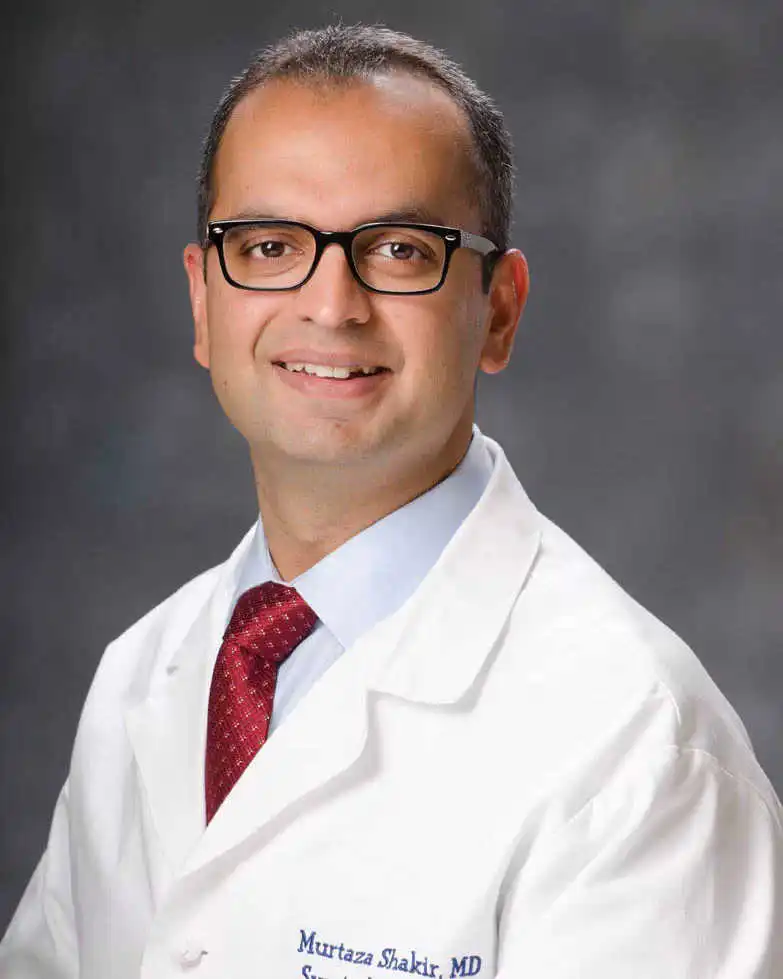
Meet the Surgeon
Dr. Murtaza Shakir is a board-certified General Surgeon and is board certified in Complex General Surgical Oncology. He earned his medical degree at Aga Khan University, completed General Surgery residency at Riverside Methodist Hospital in Columbus, Ohio, and a two-year Surgical Oncology fellowship at the University of Pittsburgh Medical Center. He sees patients at Surgical Associates of Southern Texas in Katy and Sugar Land.
Related Reading and Care
Schedule a Thyroid Surgery Consultation
Find out whether surgery or monitoring is the right next step, at our Katy or Sugar Land office.
This page provides general information and is not a substitute for medical advice. For severe abdominal pain or other emergencies, call 911 or go to the nearest emergency room. Last updated October 16, 2026.