Table of Contents
- What Is a Hernia?
- Why Hernias Usually Do Not Go Away on Their Own
- Types of Hernias and Their Prognosis
- Non-Surgical Management of Hernias
- Risks of Avoiding Surgery
- When Surgery Becomes Necessary
- Lifestyle Measures to Reduce Hernia Symptoms
- FAQs: Do Hernias Go Away Without Surgery?
- Final Thoughts
1. What Is a Hernia?
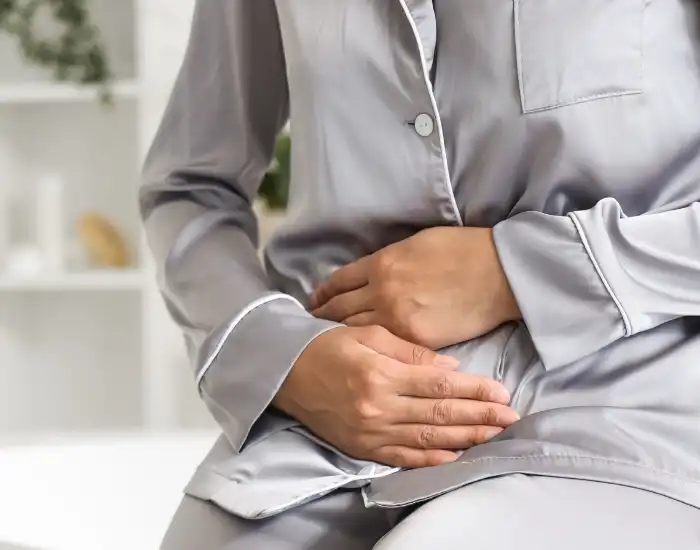
A hernia occurs when an internal organ or tissue pushes through a weakened area in the muscle or connective tissue wall. Common sites include the abdomen, groin, and near previous surgical incisions. Hernias may develop due to aging, increased abdominal pressure, injury, or congenital weaknesses. While small hernias may not cause noticeable discomfort, many grow over time and can cause pain, swelling, or complications if untreated.
2. Why Hernias Usually Do Not Go Away on Their Own
Contrary to some misconceptions, hernias rarely resolve without medical intervention. The protruding tissue or organ cannot retract permanently on its own, and the underlying muscle weakness remains. While some hernias may temporarily reduce or appear smaller when lying down, the defect in the muscle wall persists. Over time, the hernia may enlarge, increasing the risk of pain, obstruction, or strangulation, which can be life-threatening.
3. Types of Hernias and Their Prognosis
Different types of hernias may behave differently, but none typically disappear spontaneously:
- Inguinal Hernias: Common in men, usually require surgery to prevent complications.
- Femoral Hernias: More common in women, often need prompt surgical repair due to higher risk of strangulation.
- Umbilical Hernias: Small umbilical hernias in infants sometimes close naturally, but adult cases rarely resolve.
- Hiatal Hernias: Part of the stomach pushes through the diaphragm; symptoms may be managed non-surgically, but the hernia itself remains.
- Incisional Hernias: Occur at previous surgical sites and typically require surgical repair.
Understanding the type of hernia is critical for determining the best management strategy.
4. Non-Surgical Management of Hernias
While hernias usually require surgery for definitive treatment, certain measures can help manage symptoms temporarily:
- Watchful Waiting: Small, asymptomatic hernias may be monitored regularly.
- Trusses or Hernia Belts: Special supportive garments can help reduce discomfort or prevent protrusion during activity.
- Lifestyle Modifications: Avoiding heavy lifting, managing constipation, maintaining healthy weight, and strengthening core muscles can reduce strain on the hernia.
- Symptom Management: Pain relievers and dietary adjustments may ease discomfort, particularly for hiatal hernias causing acid reflux.
These measures do not cure the hernia but can improve quality of life until surgery becomes necessary.
5. Risks of Avoiding Surgery
Choosing to avoid surgical repair for a hernia can significantly increase the risk of complications. One potential issue is incarceration, where the hernia becomes trapped and cannot be pushed back, causing discomfort and swelling. Strangulation is a more serious complication, occurring when the blood supply to the trapped tissue is cut off, leading to tissue death, severe pain, and potentially life-threatening infection. Intestinal hernias can also cause obstruction, blocking bowel movement and resulting in nausea, vomiting, and abdominal pain. Over time, hernias may progressively enlarge, making surgical repair more complex and challenging. Timely evaluation and intervention by a qualified surgeon can help mitigate these risks and prevent severe outcomes.
6. When Surgery Becomes Necessary
Surgery is generally recommended when hernias cause symptoms, enlarge over time, or carry a high risk of complications. Hernia repair can be performed through open surgery, where the surgeon repairs the defect using sutures or mesh, or through laparoscopic surgery, a minimally invasive approach using small incisions and a camera to guide the repair. Surgical intervention remains the most reliable long-term solution, effectively reducing the risk of dangerous complications such as strangulation or bowel obstruction while restoring proper tissue structure and function.
7. Lifestyle Measures to Reduce Hernia Symptoms
Even when surgery is planned or delayed, certain lifestyle changes can help minimize hernia discomfort and prevent further strain. Maintaining a healthy weight reduces abdominal pressure, while avoiding heavy lifting and practicing proper lifting techniques can prevent worsening of the hernia. Treating chronic cough or constipation promptly minimizes straining that can aggravate the condition. Gradually strengthening abdominal muscles through safe exercises can support the weakened area, and eating a balanced diet helps prevent digestive strain. While these measures do not cure a hernia, they can help manage symptoms and improve overall quality of life.
8. FAQs: Do Hernias Go Away Without Surgery?
Q1: Can a hernia ever heal itself?
Most hernias do not heal on their own. Only some small umbilical hernias in infants may close naturally.
Q2: Are there non-surgical options for adults?
Yes, temporary management such as watchful waiting, hernia belts, and lifestyle changes can reduce discomfort but do not cure the hernia.
Q3: What happens if a hernia is left untreated?
Untreated hernias may enlarge, become painful, or lead to serious complications like incarceration or strangulation.
Q4: Can exercise help a hernia go away?
Exercise can strengthen core muscles and reduce strain but cannot eliminate the hernia.
Q5: When should I seek immediate medical attention?
Seek urgent care if the hernia becomes painful, red, firm, or accompanied by nausea, vomiting, or fever.
9. Final Thoughts
The question “do hernias go away without surgery” has a clear answer: in most cases, they do not. While non-surgical measures can help manage symptoms temporarily, surgical repair remains the definitive treatment to prevent complications and restore long-term health. Early evaluation by a qualified surgeon ensures proper monitoring and timely intervention.
If you suspect you have a hernia or experience discomfort, consult a qualified surgeon promptly. The team at Surgical Associates of Southern Texas provides expert evaluation, treatment, and surgical care to help patients manage hernias safely and effectively.
Disclaimer: This content is for informational purposes only and does not replace professional medical advice, diagnosis, or treatment. Always consult a qualified healthcare provider regarding hernia symptoms or treatment options.