Table of Contents
- What Are Gallstones?
- Can Gallstones Cause Back or Shoulder Pain?
- Why Gallbladder Pain Spreads to the Back or Shoulder
- Common Symptoms of Gallstone-Related Pain
- How Gallstone Pain Differs From Muscle or Nerve Pain
- When Back or Shoulder Pain May Signal a Gallbladder Problem
- Diagnosis and Treatment Options
- FAQs: Can Gallstones Cause Back or Shoulder Pain?
- Final Thoughts
1. What Are Gallstones?
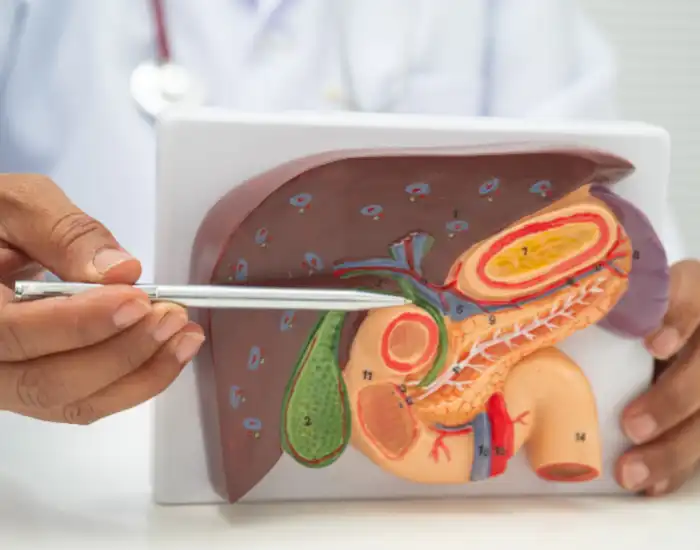
Gallstones are hardened deposits of digestive fluid that form in the gallbladder. They develop when bile contains too much cholesterol or bilirubin or when the gallbladder does not empty properly. Gallstones can range in size and number, and many people may have them without symptoms. Problems occur when gallstones block bile flow or irritate the gallbladder, leading to pain and inflammation.
2. Can Gallstones Cause Back or Shoulder Pain?
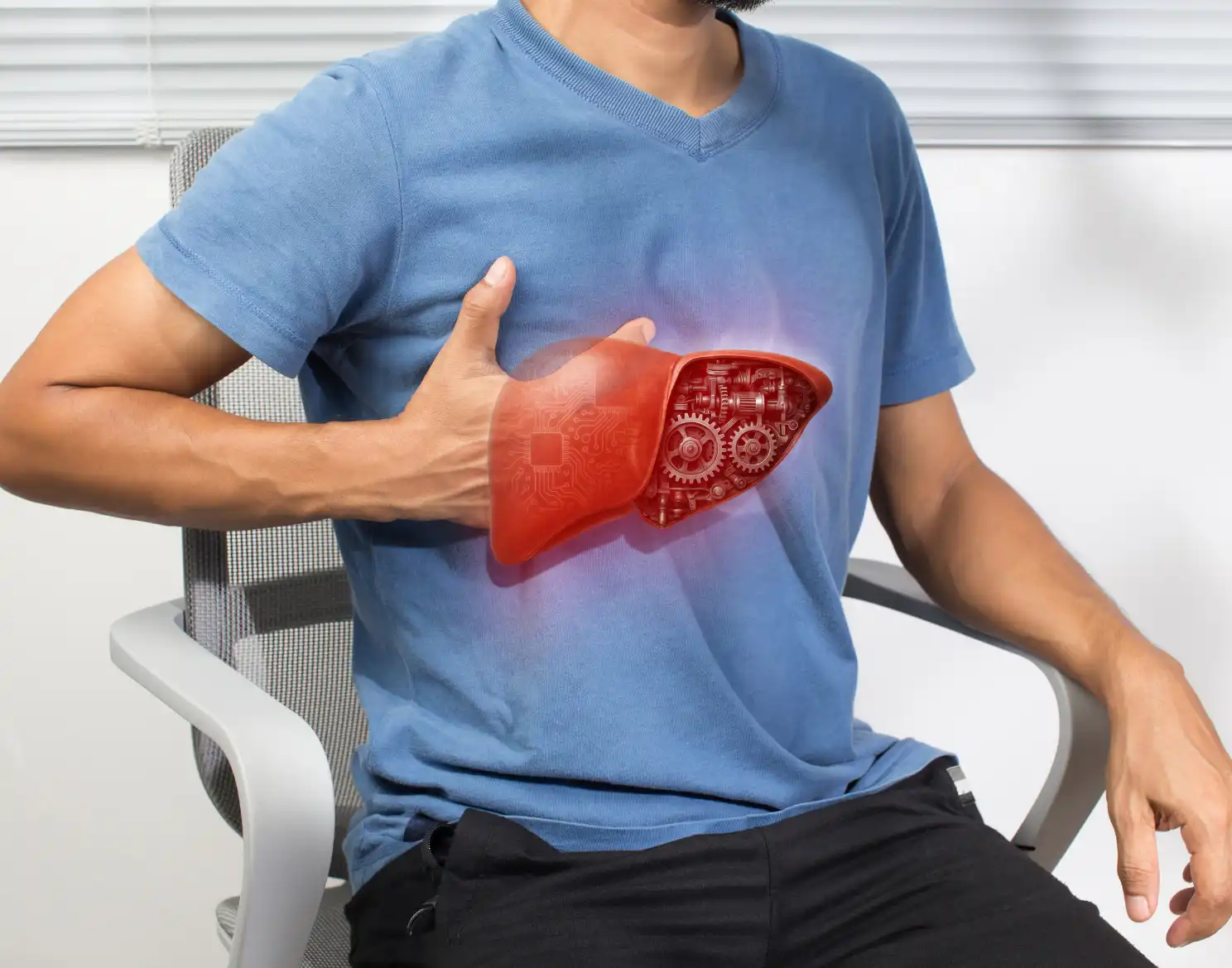
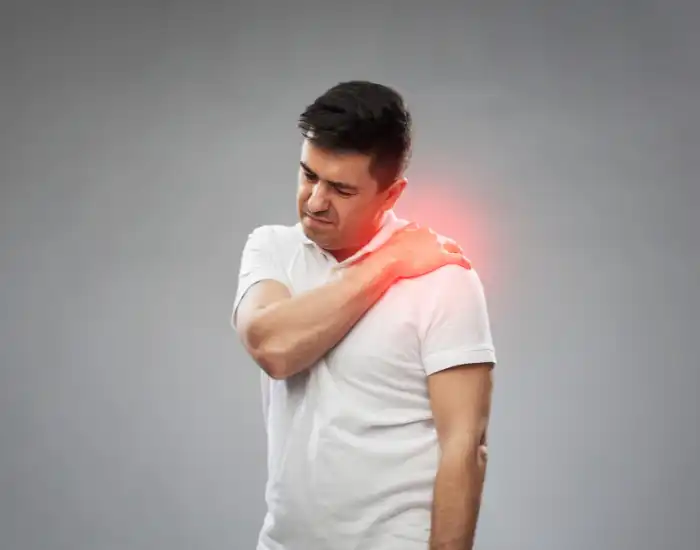
Yes, gallstones can cause pain in the back or shoulder. Although the gallbladder is located in the upper right abdomen, pain from gallstones often spreads beyond this area. Many people feel discomfort in the upper back, between the shoulder blades, or in the right shoulder. This pain usually appears during or after meals, especially after eating fatty foods. It may come on suddenly and last for several hours.
3. Why Gallbladder Pain Spreads to the Back or Shoulder
Gallbladder pain spreads because of how nerves transmit pain signals in the body. The gallbladder shares nerve pathways with the shoulder and upper back. When the gallbladder becomes inflamed or strained by gallstones, the brain may interpret the pain as coming from the shoulder or back instead of the abdomen. This type of pain is called referred pain and is a common feature of gallbladder problems.
4. Common Symptoms of Gallstone-Related Pain
Gallstone-related pain often follows a clear and recognizable pattern. Along with discomfort in the back or right shoulder, many people feel a sudden, steady pain in the upper right or middle abdomen. This pain commonly begins after eating, especially following heavy or fatty meals. In addition, digestive symptoms may occur and can make the discomfort more noticeable. The pain may worsen at night and usually does not improve with rest, stretching, or changes in position.
Common symptoms of gallstone-related pain include:
- Sudden pain in the upper right or central abdomen
- Pain that spreads to the back or right shoulder
- Nausea or vomiting after meals
- Bloating or a feeling of fullness
- Discomfort that worsens after fatty foods or late at night
5. How Gallstone Pain Differs From Muscle or Nerve Pain
Gallstone pain is different from muscle strain or nerve-related pain. Muscle pain often improves with rest, movement, or massage, while gallstone pain tends to remain steady and intense. Nerve pain may feel sharp or tingling, whereas gallbladder pain is usually deep and pressure-like. Another key difference is timing. Gallstone pain often starts after eating, while muscle or nerve pain is more commonly linked to physical activity or posture.
6. When Back or Shoulder Pain May Signal a Gallbladder Problem
Back or shoulder pain may be related to gallstones if it occurs along with digestive symptoms. Pain that appears after meals, especially fatty foods, or is accompanied by nausea or abdominal discomfort should not be ignored. Seek medical evaluation if pain is severe, lasts longer than a few hours, or occurs repeatedly. Fever, chills, or yellowing of the skin or eyes may indicate a more serious gallbladder condition.
7. Diagnosis and Treatment Options
To diagnose gallstones, healthcare providers commonly use imaging tests such as ultrasound or CT scans. Blood tests may also be done to check for infection or inflammation.
Treatment depends on symptoms. Silent gallstones may not need treatment, while recurring or severe symptoms often require gallbladder removal. Lifestyle changes may help reduce mild symptoms, but surgery is the most effective long-term solution for painful gallstones.
8. FAQs: Can Gallstones Cause Back or Shoulder Pain?
1. Can gallstones cause pain between the shoulder blades?
Yes, gallstones often cause pain between the shoulder blades due to referred pain.
2. Is gallstone shoulder pain usually on the right side?
Yes, gallbladder-related shoulder pain typically affects the right shoulder.
3. Does gallstone pain come and go?
Yes, gallstone pain may occur in episodes, often triggered by meals.
4. Can gallstones cause back pain without stomach pain?
In some cases, back or shoulder pain may appear before noticeable abdominal pain.
5. When should gallstone-related pain be treated urgently?
Seek urgent care if pain is severe, lasts several hours, or is accompanied by fever or jaundice.
9. Final Thoughts
So, can gallstones cause back or shoulder pain? Yes, they can, and this symptom is more common than many people realize. Understanding how gallbladder pain presents can help you recognize warning signs early and avoid complications.
At Surgical Associates of Southern Texas, experienced specialists evaluate gallbladder symptoms carefully and guide patients toward safe and effective treatment options.
Disclaimer: This blog is for informational purposes only and does not replace professional medical advice. Always consult a qualified healthcare provider for diagnosis and treatment of gallbladder-related symptoms.