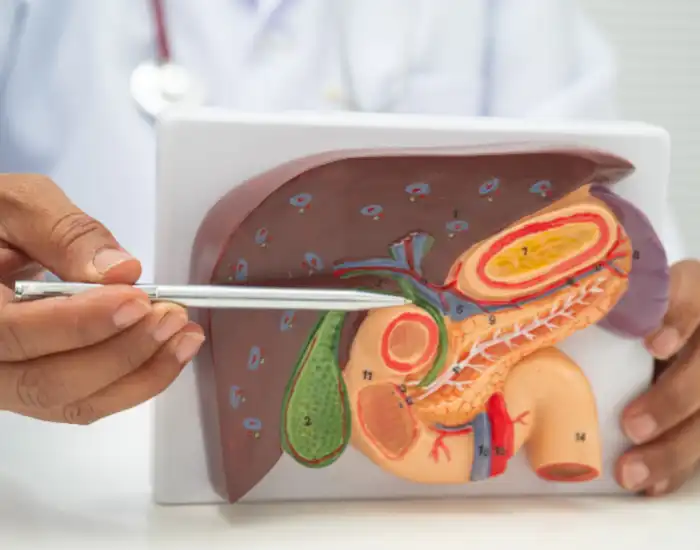

Laparoscopic gallbladder surgery is one of the most common procedures performed worldwide. Many patients considering this surgery ask, “Is laparoscopic gallbladder surgery safe?” The short answer is yes—when performed by an experienced surgeon, this minimally invasive procedure is generally safe, effective, and associated with faster recovery compared to traditional open surgery.
This blog explores the safety of laparoscopic gallbladder surgery, potential risks, benefits, recovery expectations, and tips for a smooth post-operative experience.
Table of Contents
- What Is Laparoscopic Gallbladder Surgery?
- Why Is This Surgery Performed?
- How Safe Is Laparoscopic Gallbladder Surgery?
- Benefits of Laparoscopic vs Open Surgery
- Potential Risks and Complications
- Recovery After Laparoscopic Gallbladder Surgery
- Tips to Ensure a Safe Surgery and Recovery
- FAQs About Laparoscopic Gallbladder Surgery Safety
- Final Thoughts
1. What Is Laparoscopic Gallbladder Surgery?
Laparoscopic gallbladder surgery, also called laparoscopic cholecystectomy, is a minimally invasive procedure used to remove the gallbladder. Instead of a large incision, the surgeon makes a few small cuts in the abdomen. A tiny camera and surgical instruments are inserted to perform the surgery with precision.
Because it is minimally invasive, laparoscopic surgery typically causes less pain, smaller scars, and shorter recovery time than traditional open surgery.
2. Why Is This Surgery Performed?
Laparoscopic gallbladder surgery is most often recommended for patients with gallstones, gallbladder inflammation (cholecystitis), or bile duct blockages. Symptoms that may prompt surgery include:
- Persistent upper right abdominal pain
- Nausea or vomiting after meals
- Digestive problems related to gallstones
- Complications such as infection or pancreatitis
Surgery helps prevent recurrent attacks and serious complications.
3. How Safe Is Laparoscopic Gallbladder Surgery?
Laparoscopic gallbladder surgery is considered safe for most patients. The procedure has been performed for decades with a low rate of serious complications. Success depends on the patient’s overall health, the surgeon’s experience, and proper preoperative evaluation. Most patients experience smooth surgeries without major issues. Serious complications, such as bile duct injury or infection, are rare but can occur.
4. Benefits of Laparoscopic vs Open Surgery
Compared to open surgery, laparoscopic gallbladder surgery offers several advantages. The smaller incisions result in less scarring and a lower risk of wound infection. Many patients are able to go home the same day, and most can return to normal activities within one to two weeks. Post-operative discomfort is generally less, and overall complication rates are lower compared to open surgery. Because of these benefits, laparoscopic surgery is often the preferred option for gallbladder removal when it is feasible.
5. Potential Risks and Complications
Like any surgical procedure, laparoscopic gallbladder removal carries some risks. Mild bleeding or infection at the incision sites can occur, and temporary digestive changes such as bloating or diarrhea are common as the body adjusts. In rare cases, bile duct injury or damage to surrounding organs may occur. Reactions to anesthesia are also possible. Discussing your medical history and potential risks with your surgeon before the procedure is essential to ensure the safest outcome.
6. Recovery After Laparoscopic Gallbladder Surgery
Recovery from laparoscopic surgery is usually faster and easier than after open surgery. Most patients can resume light activities within a few days and return to work within one to two weeks. Eating a normal diet gradually, starting with low-fat meals, can help the digestive system adjust. Mild pain, bloating, or fatigue is normal during the first days of recovery, but these symptoms typically improve over time. Following your surgeon’s post-operative instructions is key to a smooth and successful recovery.
7. Tips to Ensure a Safe Surgery and Recovery
To maximize safety and recovery:
- Choose an experienced, board-certified surgeon
- Follow pre-operative instructions carefully
- Inform your doctor about any medications, allergies, or medical conditions
- Rest adequately after surgery
- Eat small, low-fat meals at first
- Attend all follow-up appointments
By taking these precautions, you can reduce the risk of complications and support faster healing.
8. FAQs About Laparoscopic Gallbladder Surgery Safety
1. Is laparoscopic gallbladder surgery painful?
Mild pain at incision sites is normal, but it is usually less than open surgery. Pain can be managed with medications.
2. How long does the surgery take?
Most laparoscopic gallbladder surgeries take about 1–2 hours.
3. Can everyone have laparoscopic surgery?
Most patients are eligible, but open surgery may be required for complicated cases or certain health conditions.
4. What are the chances of complications?
Serious complications are rare, especially with experienced surgeons.
5. Will I need to change my diet after surgery?
Most people can gradually return to a normal diet, though some may notice minor digestive changes initially.
9. Final Thoughts
Laparoscopic gallbladder surgery is generally very safe when performed by an experienced surgeon. The minimally invasive approach allows for faster recovery, less pain, and lower risk of complications compared to open surgery. Understanding the procedure, following medical guidance, and taking proper precautions can help ensure a smooth and safe experience.
At Surgical Associates of Southern Texas, our team specializes in gallbladder procedures, providing personalized care and guidance for every step of surgery and recovery.
Disclaimer: This blog is for informational purposes only and does not replace professional medical advice. Always consult a qualified healthcare provider for diagnosis, treatment, and surgical guidance.