Table of Contents
- What Is Gallbladder Surgery?
- What Is Laparoscopic Gallbladder Surgery?
- What Is Robotic Gallbladder Surgery?
- Key Differences Between Robotic and Laparoscopic Surgery
- Benefits of Robotic Gallbladder Surgery
- Benefits of Laparoscopic Surgery
- Risks and Considerations
- Recovery and Healing
- FAQs: Robotic Gallbladder Surgery vs Laparoscopic
- Final Thoughts
1. What Is Gallbladder Surgery?
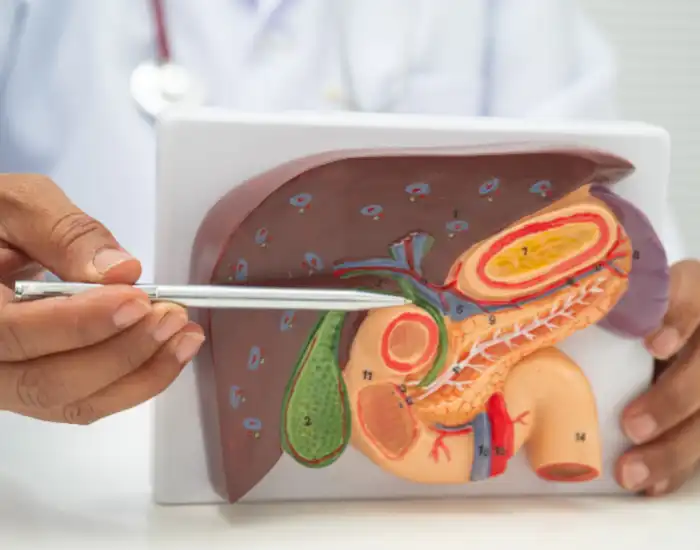
Gallbladder surgery, medically known as a cholecystectomy, is a procedure to remove the gallbladder. It is most commonly recommended for patients who experience problems such as gallstones, inflammation of the gallbladder (cholecystitis), or blockages in the bile ducts. The goal of the surgery is to relieve pain, prevent complications, and improve digestive health. Modern surgical techniques emphasize minimally invasive methods, which help reduce post-operative pain, shorten recovery time, and lower the risk of complications compared to traditional open surgery. Gallbladder surgery is considered safe and is one of the most frequently performed abdominal surgeries worldwide.
2. What Is Laparoscopic Gallbladder Surgery?
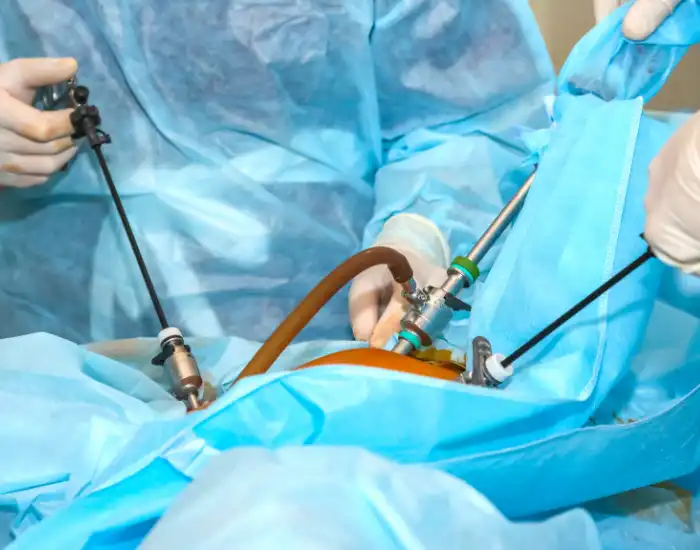
Laparoscopic gallbladder surgery is a minimally invasive technique that has become the standard approach for gallbladder removal. The procedure involves making several small incisions in the abdomen, through which a laparoscope—a thin instrument with a camera—and specialized surgical tools are inserted. The surgeon uses these instruments to carefully remove the gallbladder while viewing the internal area on a monitor. Most patients benefit from shorter hospital stays, faster recovery, and significantly less post-operative pain compared to open surgery. Laparoscopic surgery is highly effective for most patients and allows for a quicker return to normal activities, making it the preferred method for gallbladder removal in uncomplicated cases.
3. What Is Robotic Gallbladder Surgery?
Robotic-assisted gallbladder surgery is an advanced form of minimally invasive surgery that uses robotic instruments controlled by the surgeon from a console. The robot translates the surgeon’s hand movements into precise motions, providing enhanced dexterity, stability, and control. In addition, high-definition 3D visualization gives the surgeon a detailed view of the surgical area, allowing for more precise dissection and removal of the gallbladder. Robotic surgery is particularly useful in complex cases, such as patients with prior abdominal surgeries, severe inflammation, or unusual anatomy. While it offers increased precision and potential benefits, it requires specialized training and equipment and is typically recommended based on the patient’s individual needs.
4. Key Differences Between Robotic and Laparoscopic Surgery
While both techniques are minimally invasive, there are notable differences:
- Precision: Robotic surgery allows finer control of instruments and more precise movements.
- Visualization: High-definition 3D imaging provides better visualization in robotic surgery.
- Incisions: Both use small incisions, but robotic surgery may require slightly different port placement.
- Learning Curve: Surgeons require specialized training for robotic systems.
- Cost: Robotic surgery can be more expensive due to advanced technology and equipment.
5. Benefits of Robotic Gallbladder Surgery
Robotic surgery offers several advantages:
- Enhanced precision and control
- Reduced risk of accidental injury to surrounding organs
- Better outcomes in complex cases
- Improved ergonomic comfort for the surgeon, which can translate to safer surgery
Although robotic surgery is newer, it continues to gain popularity due to these potential benefits.
6. Benefits of Laparoscopic Surgery
Laparoscopic surgery also provides strong advantages, including:
- Proven safety and effectiveness over decades
- Short hospital stay and faster recovery compared to open surgery
- Lower cost compared to robotic-assisted surgery
- Widely available and performed by most general surgeons
For many patients with straightforward cases, laparoscopic surgery remains an excellent choice.
7. Risks and Considerations
Both robotic and laparoscopic gallbladder surgeries are generally safe, but like any surgical procedure, they carry some risks. Patients may experience bleeding or infection at the incision sites, temporary digestive changes such as bloating or diarrhea, or reactions to anesthesia. In rare cases, there can be injury to the bile ducts or nearby organs. Discussing your personal health, medical history, and gallbladder condition with your surgeon helps determine the safest surgical approach and minimizes potential complications.
8. Recovery and Healing
Recovery after either procedure is usually quick. Patients can often return to light activities within a few days and normal routines within 1–2 weeks. Pain, fatigue, or bloating is common initially but improves over time. Following your surgeon’s post-operative instructions ensures the smoothest recovery possible.
9. FAQs: Robotic Gallbladder Surgery vs Laparoscopic
1. Is robotic gallbladder surgery safer than laparoscopic?
Both are safe; robotic surgery may provide added precision in complex cases.
2. Does robotic surgery have a longer recovery time?
No, recovery is similar to laparoscopic surgery in most cases.
3. Why is robotic surgery more expensive?
Costs are higher due to advanced equipment and technology.
4. Are all surgeons trained in robotic gallbladder surgery?
No, specialized training is required to perform robotic-assisted procedures.
5. Which method is better for simple gallstone cases?
For most straightforward gallstone cases, laparoscopic surgery is effective, safe, and widely available.
10. Final Thoughts
Choosing between robotic gallbladder surgery vs laparoscopic depends on your medical history, the complexity of your condition, and your surgeon’s expertise. Both techniques are minimally invasive, safe, and effective.
At Surgical Associates of Southern Texas, patients receive expert evaluation and personalized guidance to determine the best surgical option for their needs, ensuring safe surgery and smooth recovery.
Disclaimer: This blog is for informational purposes only and does not replace professional medical advice. Always consult a qualified healthcare provider for individualized guidance.