 EN
 ES
 UR
 HI

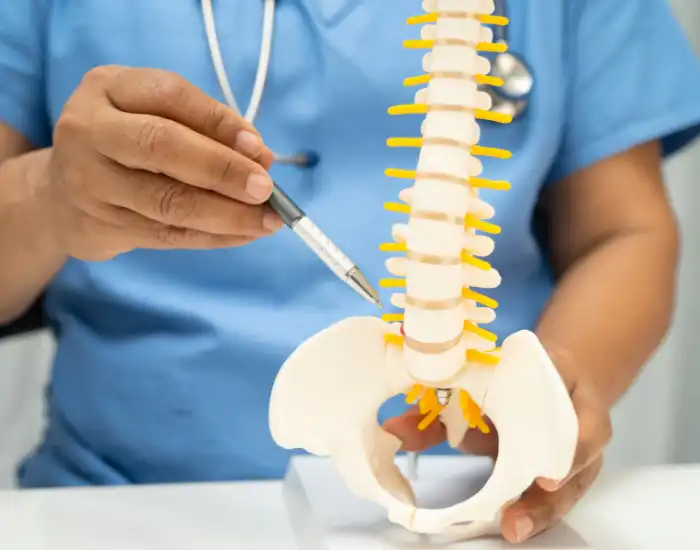
Wondering if your hernia can wait?
Have board-certified general surgeon Dr. Murtaza Shakir examine you in Katy or Sugar Land. Call (713) 955-9191, or send your details and our team will call you back.
THE SHORT ANSWER
No. In adults, a hernia does not close on its own, because the weak spot in the abdominal wall does not repair itself. Some small, painless hernias can be watched safely for a time, but most eventually need surgical repair. Umbilical hernias in young children are the main exception, and many of those close by age 3 to 4.
What Is a Hernia?
A hernia happens when an organ or tissue, often fat or part of the intestine, pushes through a weak spot in the muscle wall that normally holds it in place. It often shows up as a bulge and can cause discomfort, especially when you lift, bend, cough or strain. Hernias are named for where they occur:
- Inguinal hernia: in the groin. This is the most common type and is much more common in men.
- Umbilical hernia: at or near the belly button. It occurs in both infants and adults.
- Incisional hernia: through the scar of a previous abdominal operation.
- Hiatal hernia: in the upper abdomen, where part of the stomach pushes up through the diaphragm into the chest. It is not visible from the outside and is often linked with heartburn and reflux.
Even a small hernia can become a problem if it is ignored, so it helps to understand how hernias usually behave over time.
Why Don’t Hernias Go Away on Their Own?
Hernias do not go away on their own because the opening in the abdominal wall is a structural defect, not an injury that heals like a bruise or a pulled muscle. A hernia may stay the same size for a long time, and you may be able to push it back in, but the gap remains. The main reasons hernias persist are:
- The underlying weakness in the muscle or tissue stays in place
- Pressure inside the abdomen from lifting, straining, coughing or extra weight continues
- Tissue or bowel can gradually push further through the opening over time
Without repair or careful monitoring, hernias tend to enlarge. Mayo Clinic notes that groin hernias usually grow over time if they are not repaired. Growth matters because it raises the risk of three problems:
- Incarceration: tissue becomes trapped in the hernia and cannot be pushed back in.
- Strangulation: the blood supply to trapped tissue is cut off. This is a medical emergency.
- Progressive bulging: larger hernias are usually more complex to repair and to recover from.
The one common exception is the umbilical hernia in young children. According to MedlinePlus, most of these close without treatment by the time a child is 3 to 4 years old. That does not apply to umbilical hernias that appear in adults.
What Symptoms Can a Hernia Cause Before It Hurts?
Many hernias cause pressure or a bulge long before they cause real pain, and some are found by chance during a routine exam or a scan done for another reason. Subtle signs include:
- A bulge you can see or feel that gets bigger when you stand or strain and may shrink when you lie down
- A feeling of heaviness, pressure or fullness in the abdomen or groin
- A tugging sensation when you lift or move suddenly
- Mild digestive changes, such as bloating or occasional constipation
Noticing these early signs gives you time to plan care before a complication forces the decision. Read more about hernia symptoms without pain.
Is It Risky to Wait on a Hernia?
Waiting is reasonable for some small, painless hernias, but it carries real trade-offs, and it never makes the hernia go away. Lifestyle changes and supportive measures can ease discomfort and may slow growth, but they do not close the opening. The risks of putting off care include:
- A larger hernia, which usually needs a more involved repair
- Emergency surgery if the hernia becomes incarcerated or strangulated, which can be life-threatening
- Worse quality of life, as pain, pressure and activity limits build over time
For groin hernias, the evidence shows that most people who wait end up needing surgery anyway. The National Institute of Diabetes and Digestive and Kidney Diseases (NIDDK) reports that about 70 percent of men who delay inguinal hernia surgery develop new or worsening symptoms and need surgery within 5 years. That is why surgeons treat a hernia as a structural problem to be managed, not a minor annoyance. See when hernia surgery becomes necessary.
Living With a Hernia?
Board-certified general surgeon Dr. Murtaza Shakir can tell you whether your hernia is safe to watch or ready for repair. Request a consultation in Katy or Sugar Land.
When Is a Hernia an Emergency?
A hernia is an emergency when tissue gets trapped and cannot be pushed back in, because its blood supply may be cut off. Go to the emergency room or call 911 if a hernia:
- Becomes firm, tender or very painful
- Turns red, purple or dark
- Used to go back in but no longer does
- Comes with nausea, vomiting, fever, a swollen belly, or trouble passing gas or having a bowel movement
These signs can mean an incarcerated or strangulated hernia, which needs surgery right away. Most hernias never reach this point, but knowing these warning signs is part of any plan to watch a hernia. See also when to worry about hernia pain.
How Do Surgeons Evaluate a Hernia?
Most hernias are diagnosed with a careful history and physical exam, and imaging is added only when the answer is unclear or the hernia is complex. During the exam, the surgeon looks at:
- Location and size of the bulge
- How much discomfort or pressure it causes and whether it limits work or exercise
- How it changes when you stand, cough, strain or lift, and whether it pushes back in easily
When imaging is needed, the choice depends on the question being asked:
- Ultrasound: useful for finding small or less obvious hernias
- CT scan: gives detailed pictures for complex, large or incisional hernias
- MRI: occasionally used for recurrent or complicated cases
An accurate diagnosis tells the surgeon whether the hernia can be watched, and if repair is needed, whether a minimally invasive or open approach fits best. If a scan already mentions a hernia, see what a CT finding of a hernia means.
What Are the Treatment Options for a Hernia?
Hernia treatment ranges from planned monitoring to surgical repair, and the right choice depends on the hernia’s type, size and symptoms and on your overall health.
Watchful waiting
For a small hernia that causes no symptoms, a surgeon may recommend observation while you avoid activities that sharply raise abdominal pressure. This approach requires regular follow-up and quick action if anything changes.
Minimally invasive repair
Minimally invasive techniques repair the hernia through a few small incisions:
- Laparoscopic hernia repair: small incisions and less disruption of surrounding tissue
- Robotic hernia surgery: added precision that can be especially helpful for complex or recurrent hernias
For suitable patients, the benefits often include smaller scars, less pain after surgery and a shorter recovery.
Open repair
Larger or complicated hernias may be better suited to traditional open repair through a single incision over the hernia. Whatever the approach, the goal is a secure repair that restores the strength of the abdominal wall. Learn more about hernia repair at the practice.
Who should treat a hernia
A hernia should be evaluated by a surgeon, because only a surgeon can repair it and judge when it is safe to wait. Depending on the situation, that may be:
- A general surgeon, trained in all common hernia types and repair methods
- A surgeon with a hernia focus, experienced in minimally invasive and robotic techniques
- A surgical oncologist, when a hernia is associated with an abdominal mass or follows prior cancer surgery
Seeing an experienced general surgeon early gives you an accurate diagnosis and a clear plan, even when the hernia is small or painless.
How Can I Lower the Risk of Complications, and What Is Recovery Like?
You can lower the risk of a hernia growing or becoming more uncomfortable by reducing strain on the abdominal wall:
- Use proper lifting technique, bend at the knees, and avoid heavy strain when you can
- Maintain a healthy weight
- Strengthen core muscles under professional guidance
- Prevent constipation with fiber and fluids, and address a chronic cough
- Watch for changes in the bulge’s size or new discomfort
These steps support better results if repair becomes necessary, but they do not replace it. After repair, recovery usually involves:
- Returning to activities gradually, as your surgeon directs
- Avoiding heavy lifting and strenuous activity until you are cleared
- Checking the incisions for swelling, redness or other signs of infection
- Eating a balanced diet and staying well hydrated to support healing
Minimally invasive and robotic repair often allow a quicker return to daily life with less discomfort. See the hernia surgery recovery timeline for more detail.
Does the Type of Hernia Change the Outlook?
The type of hernia changes how urgent repair is, but no common adult hernia is expected to disappear by itself. Different hernias behave differently:
- Inguinal hernias: the most common type, especially in men. Most eventually need surgery to prevent complications. See inguinal hernia repair.
- Femoral hernias: lower in the groin and more common in women. They often need prompt repair because they carry a higher risk of strangulation.
- Umbilical hernias: small umbilical hernias in infants often close naturally as the child grows, but in adults they rarely resolve. See umbilical hernia in adults.
- Hiatal hernias: part of the stomach pushes up through the diaphragm. Symptoms such as acid reflux can often be managed without surgery, but the hernia itself remains. When reflux is chronic, reflux surgery may be considered.
- Incisional hernias: form at the site of a previous operation and typically need surgical repair.
Knowing which type you have is the first step in choosing the right plan.
What Can Non-Surgical Management Do for a Hernia?
Non-surgical management can ease symptoms and buy time, but it does not cure a hernia. These measures may help until repair is planned or if surgery is not yet needed:
- Watchful waiting: small hernias with few or no symptoms may be monitored with regular checkups.
- Trusses or hernia belts: supportive garments can reduce discomfort or keep the hernia from bulging during activity. They should fit properly and never be used to force back a hernia that is stuck.
- Lifestyle changes: avoiding heavy lifting, managing constipation, keeping a healthy weight and safely strengthening core muscles can reduce strain on the hernia.
- Symptom relief: pain relievers, and dietary changes for hiatal hernias that cause acid reflux, may ease discomfort.
Watchful waiting is a real option, not a way of ignoring the problem. For inguinal hernias, the National Institute of Diabetes and Digestive and Kidney Diseases reports that men with few or no symptoms may be able to delay surgery safely, but about 70 percent of men who delay develop new or worsening symptoms and need surgery within 5 years.
Not Sure Whether to Wait?
A surgical exam can tell you whether your hernia is safe to watch. Request a consultation with Dr. Murtaza Shakir in Katy or Sugar Land.
Which Lifestyle Changes Help While You Wait for Repair?
Lifestyle changes that lower pressure inside the abdomen can reduce hernia discomfort and help keep it from getting worse, whether surgery is planned or delayed.
- Maintain a healthy weight to reduce abdominal pressure
- Avoid heavy lifting, and when you must lift, bend your knees and keep the load close to your body
- Treat chronic cough or constipation promptly to limit straining
- Gradually strengthen your abdominal muscles with safe exercises your surgeon approves
- Eat a balanced, fiber-rich diet to prevent digestive strain
These steps do not cure a hernia, but they can manage symptoms and improve quality of life. Ask your surgeon which activities are safe for your specific hernia.
Where Can I Have a Hernia Evaluated in Katy, Sugar Land or Houston?
Surgical Associates of Southern Texas evaluates hernias at offices in Katy and Sugar Land for patients from across the Houston area. A consultation is worthwhile even for a hernia that does not hurt, because it sets a plan before a complication does.
- Note when you first noticed the bulge and whether it has grown
- Bring any imaging reports from an ER visit or your primary care doctor
- List your medications and any previous abdominal surgeries
Dr. Shakir will examine you and explain whether watching or repairing your hernia makes more sense. Call (713) 955-9191 or request an appointment.
Questions to Ask Your Surgeon About Whether Your Hernia Can Wait
- What type of hernia do I have, and how large is the opening?
- Is it safe to watch my hernia, or do you recommend repair now?
- If we wait, how often should I be rechecked?
- Which changes should make me call you or go to the ER?
- Are there activities I should avoid while waiting?
- If I need repair, would you use a laparoscopic, robotic or open approach?
- What does recovery look like for my type of repair?
Frequently Asked Questions
Can a hernia heal without surgery?
In adults, no. Rest, a support garment or exercise may ease symptoms, but they do not close the opening in the abdominal wall. Only surgical repair fixes the defect.
Can I push a hernia back in and leave it?
Many hernias can be pushed back in, which is a reassuring sign, but the hernia will come back out because the opening remains. A hernia that no longer goes back in, especially if it hurts, needs urgent care.
Do umbilical hernias in babies go away?
Often, yes. Most umbilical hernias in young children close on their own by age 3 to 4. Umbilical hernias that appear in adults do not close on their own.
Is it safe to live with a small hernia?
Some small, painless hernias can be watched safely with regular follow-up and a clear understanding of emergency warning signs. Many eventually cause symptoms and are repaired later on a planned schedule.
Will exercise make my hernia go away?
No. Core strengthening under professional guidance may help with support and comfort, but it cannot close a hernia, and heavy straining can make it worse. Ask your surgeon which activities are safe for you.
Are there non-surgical options for adults with a hernia?
Yes. Watchful waiting, hernia belts and lifestyle changes can reduce discomfort, but they do not cure the hernia. Surgery is the only permanent repair.
What happens if a hernia is left untreated?
An untreated hernia may enlarge, become more painful or lead to serious complications such as incarceration, bowel obstruction or strangulation.
When should I seek immediate medical attention for a hernia?
Seek urgent care if the hernia becomes painful, red, firm or stuck, or if it comes with nausea, vomiting or fever. These can be signs of a trapped or strangulated hernia.
Key Takeaway
Adult hernias do not go away on their own because the weak spot in the abdominal wall does not heal. Some small, painless hernias can be watched with regular checkups, but most eventually need repair. A hernia that becomes firm, painful and stuck, especially with vomiting, needs emergency care.
Sources and Further Reading
- Inguinal Hernia, National Institute of Diabetes and Digestive and Kidney Diseases (NIDDK)
- Inguinal Hernia: Symptoms and Causes, Mayo Clinic
- Hernia, MedlinePlus (U.S. National Library of Medicine)
- Umbilical Hernia, MedlinePlus Medical Encyclopedia
This article is general education, not personal medical advice. For a hernia that becomes hard, very painful or discolored and will not go back in, or for severe abdominal pain with vomiting, call 911 or go to the nearest emergency room.

Meet the Surgeon
Dr. Murtaza Shakir is a board-certified General Surgeon and is board certified in Complex General Surgical Oncology. He earned his medical degree at Aga Khan University, completed General Surgery residency at Riverside Methodist Hospital in Columbus, Ohio, and a two-year Surgical Oncology fellowship at the University of Pittsburgh Medical Center. He sees patients at Surgical Associates of Southern Texas in Katy and Sugar Land.
Related Reading and Care
Schedule a Hernia Evaluation
Find out whether your hernia can be safely watched or should be repaired, at our Katy or Sugar Land office.
This page provides general information and is not a substitute for medical advice. For severe abdominal pain or other emergencies, call 911 or go to the nearest emergency room. Last updated October 16, 2026.