 EN
 ES
 UR
 HI

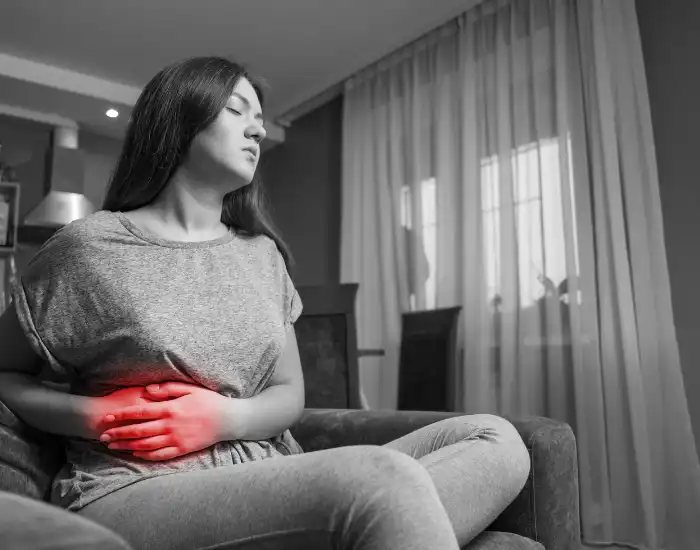
Pain after meals that keeps coming back?
Get it checked by board-certified general surgeon Dr. Murtaza Shakir in Katy or Sugar Land. Call (713) 955-9191, or send your details and our team will call you back.
THE SHORT ANSWER
Gallbladder pain after eating usually happens because food, especially a fatty or heavy meal, makes the gallbladder squeeze while a gallstone, inflammation or poor emptying blocks the flow of bile. Gallstones are the most common cause. Pain that lasts for hours or comes with fever or yellowing of the skin needs prompt medical care.
What Does the Gallbladder Do?
The gallbladder is a small, pear-shaped organ under the liver that stores bile and releases it into the small intestine to help digest fat. Bile is made by the liver; the gallbladder holds it between meals and squeezes it out when you eat.
Because its job is tied so closely to meals, especially fatty ones, gallbladder problems such as gallstones or inflammation often show up as discomfort or pain after eating. Read more about what the gallbladder does.
Why Does the Gallbladder Hurt After Eating?
The gallbladder hurts after eating because food signals it to contract and push out bile, and if the outflow is blocked or the gallbladder is inflamed, that squeezing causes pain. A healthy gallbladder empties smoothly into the intestine. When gallstones, inflammation or poor emptying are present, the same contraction can cause sharp pain, bloating or discomfort.
Common triggers include:
- High-fat meals, such as fried foods, cheese and fatty meats
- Large portions, which call for more bile
- In some people, certain carbohydrate-rich foods
Gallbladder attacks often follow heavy meals and frequently happen in the evening or during the night.
What Are the Common Causes of Gallbladder Pain After Meals?
Gallstones are the most common cause, followed by inflammation of the gallbladder and problems with how the gallbladder empties. Identifying the cause guides treatment.
Gallstones (cholelithiasis)
Gallstones are hardened deposits that form in the gallbladder, usually from cholesterol or bilirubin. When a stone temporarily blocks the outflow, it can cause sharp pain in the upper right or middle abdomen, pain that spreads to the back or right shoulder, and nausea or vomiting after fatty meals.
Gallbladder inflammation (cholecystitis)
Cholecystitis usually develops when a gallstone blocks the cystic duct, the tube that drains the gallbladder. It can be acute or chronic and often needs medical attention. Symptoms include constant or severe abdominal pain, fever and chills, and sometimes jaundice (yellowing of the skin or eyes).
Biliary dyskinesia
In biliary dyskinesia, the gallbladder does not contract and empty well even though there are no stones. People may have recurrent upper abdominal pain, nausea after meals, bloating and indigestion. Learn more about biliary dyskinesia.
Gallbladder polyps
Polyps are growths on the inner lining of the gallbladder. They are less common and often cause no symptoms, but they can occasionally cause discomfort, especially if they grow large.
What Does Gallbladder Pain After Eating Feel Like?
Gallbladder pain is usually a steady or sharp pain in the upper right or upper middle abdomen that starts after a meal and can last from about half an hour to several hours. It ranges from mild discomfort to severe pain and often comes with other digestive symptoms:
- Pain that spreads to the back, below the right shoulder blade, the shoulder or even the chest
- Nausea or vomiting
- Bloating
- In more serious cases, fever, chills or jaundice
Gallbladder pain is often mistaken for indigestion or heartburn, but it tends to be sharper, more constant and centered under the right ribs. Compare the two in gallbladder infection vs acid reflux.
Recurring Pain After Meals?
Board-certified general surgeon Dr. Murtaza Shakir can find out whether your gallbladder is the cause and what treatment fits. Request a visit in Katy or Sugar Land.
When Is Gallbladder Pain After Eating an Emergency?
Gallbladder pain is an emergency when it is sudden and intense, lasts for several hours, or comes with fever, chills or yellowing of the skin or eyes. These signs can mean the gallbladder or bile ducts are infected or blocked. Go to the nearest emergency room or call 911 if you have:
- Abdominal pain lasting several hours
- Nausea and vomiting
- Fever, even a low-grade fever, or chills
- Yellowing of the skin or the whites of the eyes
- Tea-colored urine and light-colored stools
Pain that comes and goes after meals without these signs is not usually an emergency, but it should still be evaluated, because repeated attacks tend to return.
Who Is More Likely to Have Gallbladder Problems?
Gallbladder problems are more common in women, people over 40 and people with obesity, and several other factors raise the risk. Knowing them can help you and your doctor interpret symptoms.
- Age: people over 40 are more likely to develop gallstones.
- Sex: women have a higher risk, in part because of hormones; pregnancy and hormone therapy add to it.
- Obesity: excess weight can increase cholesterol in bile, which may lead to stones.
- Rapid weight change: quick weight loss or certain kinds of dieting can trigger stones.
- Diet: high-fat, high-cholesterol and low-fiber diets are linked to gallbladder issues.
- Family history and background: a family history of gallstones, diabetes, and Native American or Hispanic ancestry also raise the risk.
How Do Doctors Find the Cause of Gallbladder Pain?
Doctors find the cause by matching the pattern of your pain to imaging and blood tests. A surgeon wants to know where the pain is, how long it lasts, what brings it on and whether you have had fever or yellowing, and will press on your upper right abdomen to check for tenderness. Common tests include:
- Ultrasound: the usual first test; it detects gallstones and signs of inflammation.
- CT scan: gives detailed images of the gallbladder and nearby organs.
- HIDA scan: a nuclear medicine test that measures how well the gallbladder empties, used when biliary dyskinesia is suspected.
- Blood tests: check for infection and liver or pancreas problems.
If the tests do not point to the gallbladder, the surgeon will consider other causes, such as reflux or ulcers, before recommending surgery.
How Is Gallbladder Pain After Eating Treated?
Treatment depends on the cause, and removing the gallbladder is the usual solution for repeated or severe attacks. Options include:
- Medications: pain relievers during attacks, and in select cases bile acid medicines that slowly dissolve small cholesterol stones.
- Surgery: cholecystectomy, removal of the gallbladder, is a common and effective solution for chronic or severe cases, including biliary dyskinesia. At our practice it is performed with laparoscopic and robotic techniques.
- Dietary adjustments: avoiding high-fat meals and eating smaller portions.
Lifestyle changes can often ease symptoms, though they do not remove stones:
- Eat smaller, more frequent meals instead of large portions
- Limit fatty and fried foods
- Add fiber from fruits, vegetables and whole grains
- Stay well hydrated
- Keep a healthy weight with a balanced diet and regular exercise, avoiding crash diets
See do gallstones always need surgery? for how surgeons decide.
Where Can Patients in Katy, Sugar Land and Houston Get After-Meal Pain Checked?
If after-meal pain keeps coming back, book an evaluation and bring any ultrasound, CT or blood test results you already have. A short symptom diary often makes the diagnosis clearer.
- Write down when each episode happened, how long it lasted and what you ate
- Note where the pain was and whether it spread to your back or shoulder
- Record any fever, vomiting or yellowing of the skin
Surgical Associates of Southern Texas provides gallbladder and digestive system care for patients from across the Houston area, with offices in Katy and Sugar Land. Learn more about gallbladder surgery or call (713) 955-9191.
Questions to Ask Your Surgeon About Gallbladder Pain After Eating
- Does my pain pattern fit the gallbladder, or could something else cause it?
- Which tests do I need: ultrasound, blood tests or a HIDA scan?
- Do I have gallstones, inflammation or a gallbladder that does not empty well?
- Can diet changes control my symptoms, or do you recommend surgery?
- If I need surgery, will it be laparoscopic or robotic, and what is recovery like?
- Which symptoms should send me to the emergency room?
Frequently Asked Questions
Can gallbladder pain come and go?
Yes. Gallbladder pain is often intermittent, triggered by fatty meals or large portions, with pain-free periods in between. Attacks tend to return, so recurring pain should be evaluated.
Is gallbladder pain the same as indigestion?
No. Gallbladder pain is usually sharper and steadier, located in the upper right abdomen, and may spread to the back or right shoulder. Indigestion tends to be a vaguer fullness or burning.
Can gallstones form without symptoms?
Yes. Many people have silent gallstones that cause no discomfort and usually need no treatment.
How quickly does gallbladder pain start after eating?
Pain often starts within about 30 minutes to 2 hours after a meal, depending on the condition, and can last several hours. Pain lasting hours or coming with fever needs prompt care.
Can lifestyle changes prevent gallbladder problems?
They may not prevent every problem, but healthy eating, regular exercise and steady weight management can lower the risk of gallstones and gallbladder pain.
Key Takeaway
Gallbladder pain after eating happens when the gallbladder contracts against a blockage, inflammation or poor emptying, and gallstones are the most common cause. Diet changes can ease mild symptoms, but recurring attacks usually need evaluation and often gallbladder removal, and pain with fever or jaundice is an emergency.
Sources and Further Reading
- Symptoms & Causes of Gallstones, National Institute of Diabetes and Digestive and Kidney Diseases (NIDDK)
- Acute Cholecystitis, MedlinePlus Medical Encyclopedia
- Biliary Dyskinesia: Symptoms, Causes & Treatment, Cleveland Clinic
- Treatment for Gallstones, National Institute of Diabetes and Digestive and Kidney Diseases (NIDDK)
This article is general education, not personal medical advice. For severe abdominal pain, fever with abdominal pain, heavy bleeding, or yellowing of the skin or eyes, seek emergency care.
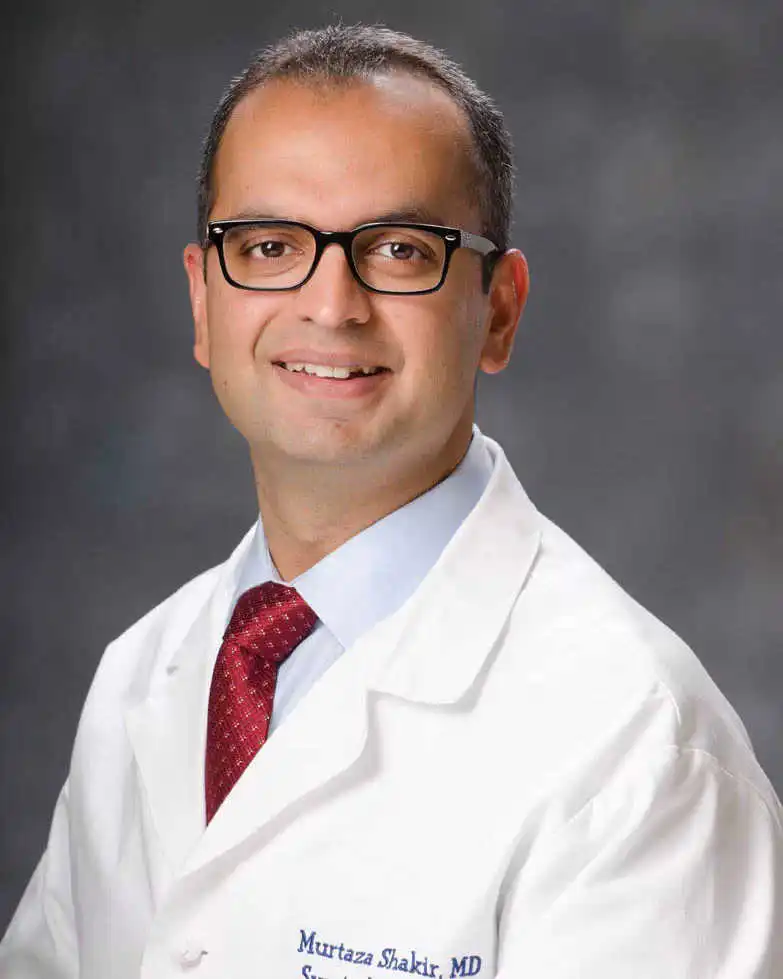
Meet the Surgeon
Dr. Murtaza Shakir is a board-certified General Surgeon and is board certified in Complex General Surgical Oncology. He earned his medical degree at Aga Khan University, completed General Surgery residency at Riverside Methodist Hospital in Columbus, Ohio, and a two-year Surgical Oncology fellowship at the University of Pittsburgh Medical Center. He sees patients at Surgical Associates of Southern Texas in Katy and Sugar Land.
Related Reading and Care
Schedule a Gallbladder Evaluation
Find out what is causing your pain after meals with a visit to our Katy or Sugar Land office.
This page provides general information and is not a substitute for medical advice. For severe abdominal pain or other emergencies, call 911 or go to the nearest emergency room. Last updated October 16, 2026.