
Gallbladder • Patient Education
What Causes Gallbladder Pain After Eating?
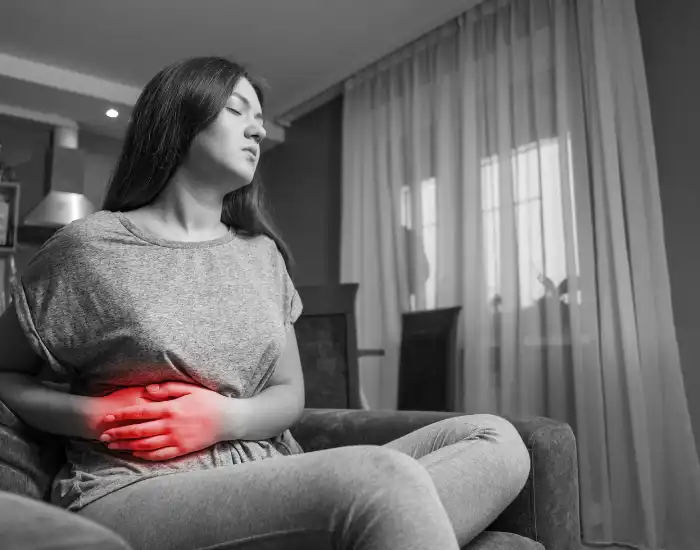
Experiencing gallbladder pain after eating can be alarming and uncomfortable. This type of pain, usually felt in the upper abdomen, affects many people worldwide. Understanding why gallbladder pain after eating occurs, recognizing the common symptoms, and knowing when to seek medical care are important steps to protect your digestive health.
This blog will explore the common causes, risk factors, and management options for post-meal gallbladder pain, helping you make informed decisions about your health.
By Surgical Associates of Southern Texas · Katy and Sugar Land, TX · December 2025
On This Page
Pain after meals that keeps coming back? Get it checked.
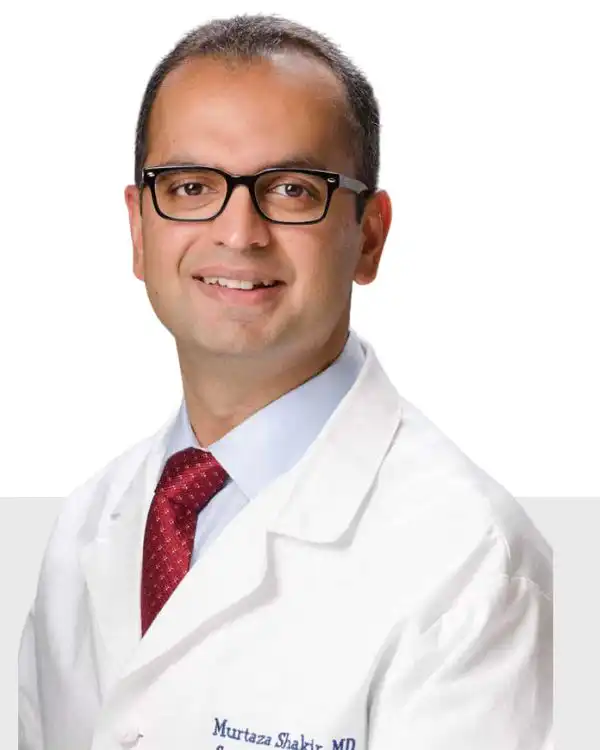
Consult with Dr. Murtaza Shakir, board-certified general surgeon. Call now, or send us your details and our team will call you back.
What You’ll Learn
- What is the Gallbladder?
- How Eating Triggers Gallbladder Pain
- Common Causes of Gallbladder Pain After Meals
- Symptoms to Watch For
- Risk Factors for Gallbladder Problems
What is the Gallbladder?
The gallbladder is a small, pear-shaped organ located just beneath the liver. Its main job is to store and release bile, a digestive fluid that helps break down fats from the foods you eat. In addition to aiding digestion, the gallbladder plays a key role in processing fatty meals efficiently. However, it is also prone to certain conditions, such as gallstones or inflammation, which can cause discomfort or pain. Essentially, the gallbladder stores bile produced by the liver, releases it into the small intestine during digestion, and helps your body manage fats from your diet.
How Eating Triggers Gallbladder Pain
Gallbladder pain after eating typically occurs because the organ contracts in response to food, especially fatty or greasy meals. When the gallbladder is blocked, inflamed, or filled with stones, these contractions can cause sharp pain, bloating, or discomfort.
Why it happens:
- Eating stimulates bile release.
- A healthy gallbladder empties bile smoothly into the intestine.
- If gallstones or inflammation are present, bile flow may be obstructed, causing pain.
Common triggers include:
- High-fat meals (fried foods, cheese, fatty meats)
- Large portions that demand extra bile for digestion
- Certain carbohydrate-rich foods in sensitive individuals
Common Causes of Gallbladder Pain After Meals
Understanding the underlying causes is important for identifying the appropriate treatment. Some of the most frequent causes include:
3.1 Gallstones (Cholelithiasis)
Gallstones are hardened deposits of digestive fluid that can form in the gallbladder. They are a leading cause of post-meal gallbladder pain.
Symptoms include:
- Sharp pain in the upper right or middle abdomen
- Pain that radiates to the back or right shoulder
- Nausea or vomiting after eating fatty meals
3.2 Gallbladder Inflammation (Cholecystitis)
Inflammation of the gallbladder can occur if a gallstone blocks the bile duct. This condition can be acute or chronic and often requires medical attention.
Symptoms include:
- Constant or severe abdominal pain
- Fever and chills
- Jaundice (yellowing of skin or eyes)
3.3 Biliary Dyskinesia
This condition involves poor gallbladder function, where bile does not flow properly despite no stones being present. People with biliary dyskinesia may experience:
- Recurrent upper abdominal pain
- Nausea after meals
- Bloating and indigestion
3.4 Gallbladder Polyps
Although less common, polyps in the gallbladder can occasionally cause discomfort or pain, especially if they grow large.
Symptoms to Watch For
Gallbladder pain after eating can range from mild discomfort to severe pain, and it often comes with other digestive symptoms. For example, you may feel pain in the upper right or middle part of your abdomen after eating. Sometimes, the pain can spread to your back, shoulder, or even your chest. In addition to pain, people may experience nausea, vomiting, or bloating. In more serious cases, fever, chills, or yellowing of the skin and eyes—called jaundice—can appear. Therefore, if you notice sudden, intense pain or any signs of jaundice, it is important to seek medical attention immediately.
Key Takeaway So Far
So far we have covered what is the gallbladder, how eating triggers gallbladder pain, common causes of gallbladder pain after meals, and more. Next, we look at risk factors for gallbladder problems, diagnosis and treatment options, lifestyle and dietary tips to reduce pain, followed by answers to common questions.
Risk Factors for Gallbladder Problems
Several factors can increase the risk of developing gallbladder problems. For instance, age plays a role, as people over 40 are more likely to develop gallstones. Gender is another factor because women have a higher risk due to hormonal influences. Obesity also contributes, since excess body weight can increase cholesterol in bile, which may lead to stone formation. Diet matters too: high-fat, high-cholesterol, and low-fiber diets can trigger gallbladder issues. Finally, a family history of gallstones can make you more likely to develop similar problems. By understanding these risk factors, you can take steps to protect your gallbladder health.
Diagnosis and Treatment Options
If you experience recurring gallbladder pain, your healthcare provider may recommend tests such as:
- Ultrasound: Detects gallstones or inflammation.
- CT Scan: Provides detailed imaging of the gallbladder.
- HIDA Scan: Measures gallbladder function.
- Blood Tests: Check for infection or liver-related issues.
Treatment options include:
- Medications: Pain relievers or bile acid medications to dissolve stones (for select cases)
- Surgery: Cholecystectomy, or removal of the gallbladder, is a common solution for chronic or severe cases
- Dietary Adjustments: Avoiding high-fat meals and eating smaller portions
Lifestyle and Dietary Tips to Reduce Pain
You can often manage gallbladder pain through simple lifestyle and dietary changes. For example, eating smaller, more frequent meals instead of large portions can ease discomfort. It also helps to limit fatty and fried foods while increasing fiber intake through fruits, vegetables, and whole grains. Staying hydrated supports digestion and maintaining a healthy weight with a balanced diet and regular exercise can further reduce post-meal pain. Together, these steps can improve overall digestive health and make meals more comfortable.
Final Thoughts
Gallbladder pain after eating is a common issue that can range from mild discomfort to severe, urgent medical conditions. Understanding the causes—whether gallstones, inflammation, or functional disorders—can help you recognize symptoms early and seek timely treatment.
For personalized care, professional evaluation by healthcare experts is essential. At Surgical Associates of Southern Texas, our team specializes in gallbladder health and digestive system care, offering guidance and treatment options tailored to your needs.
Disclaimer: This blog is intended for educational purposes only and does not replace professional medical advice. Always consult a healthcare provider if you experience persistent or severe abdominal pain, nausea, vomiting, fever, or jaundice.
Frequently Asked Questions
Can gallbladder pain come and go?
Yes, pain can be intermittent, often triggered by fatty meals or large portions.
Is gallbladder pain the same as indigestion?
No, gallbladder pain is usually sharper, located in the upper right abdomen, and may radiate to the back or shoulder.
Can gallstones form without symptoms?
Yes, some people have “silent” gallstones that cause no discomfort.
How quickly does pain appear after eating?
Pain often starts within 30 minutes to 2 hours after a meal, depending on the gallbladder condition.
Can lifestyle changes prevent gallbladder issues?
While they may not prevent all problems, healthy eating, regular exercise, and weight management can reduce the risk of gallstones and gallbladder pain.
Having Recurring Gallbladder Pain?
If your symptoms are persistent, worsening, or affecting daily life, a surgical evaluation can help determine the cause and whether treatment may be appropriate. Dr. Murtaza Shakir sees patients at the Katy and Sugar Land offices.
Medical Disclaimer
This article is intended for general educational purposes only and is not a substitute for professional medical advice, diagnosis, or treatment. Symptoms can have many possible causes, and treatment decisions should be based on an individual medical evaluation. If you are experiencing severe or rapidly worsening symptoms, seek prompt medical attention. For a medical emergency, call 911 or go to the nearest emergency department.
References
- National Institute of Diabetes and Digestive and Kidney Diseases (NIDDK). Gallstones: Symptoms and Causes. niddk.nih.gov.
- Mayo Clinic. Gallstones: Symptoms and causes. mayoclinic.org.
- American College of Surgeons. Cholecystectomy: Surgical Removal of the Gallbladder (Patient Education Brochure). facs.org.
- Cleveland Clinic. Laparoscopic Cholecystectomy (Gallbladder Removal). my.clevelandclinic.org.
- Ibrahim M, Sarvepalli S, Morris-Stiff G, et al.. Gallstones: Watch and wait, or intervene?. Cleveland Clinic Journal of Medicine. 2018;85(4):323–331.
Your Surgeon
About the Physician
Murtaza Shakir, MD
Dr. Murtaza Shakir is a board-certified General Surgeon and is board certified in Complex General Surgical Oncology. He earned his medical degree at Aga Khan University, completed General Surgery residency at Riverside Methodist Hospital in Columbus, Ohio, and a two-year Surgical Oncology fellowship at the University of Pittsburgh Medical Center.
He evaluates and treats patients at Surgical Associates of Southern Texas in Katy and Sugar Land.
Board certified by the American Board of Surgery in:
- General Surgery
- Complex General Surgical Oncology
Surgical focus:
- Hernia repair: open, laparoscopic, and robotic
- Gallbladder surgery: laparoscopic and robotic
- General surgery
- Surgical oncology
Recognized by Houstonia Magazine among Houston’s top general surgeons. Learn more about gallbladder surgery.