 EN
 ES
 UR
 HI

Referred for gallbladder surgery?
Meet board-certified general surgeon Dr. Murtaza Shakir in Katy or Sugar Land. Call (713) 955-9191, or send your details and our team will call you back.
THE SHORT ANSWER
A general surgeon typically performs gallbladder removal, also called cholecystectomy. Most planned gallbladder removals are done with minimally invasive laparoscopic techniques, with robotic surgery used in selected cases. Gastroenterologists diagnose and treat related problems such as bile duct stones, but they do not remove the gallbladder.
Why Is Gallbladder Removal Done by a General Surgeon?
Gallbladder removal is done by a general surgeon because general surgeons are trained to operate on the abdominal organs, including the gallbladder, bile ducts, appendix, intestines and abdominal wall. Cholecystectomy is one of the operations they perform most often. The National Institute of Diabetes and Digestive and Kidney Diseases notes that it is one of the most common operations performed on adults in the United States.
That is why your primary care doctor or the emergency room will usually refer you to a general surgeon when gallbladder removal is being considered. The surgeon’s job is not only to perform the operation but also to confirm that surgery is the right answer for your symptoms. Read more about laparoscopic gallbladder removal.
How Do Other Specialists Fit Into Gallbladder Care?
Other specialists help diagnose gallbladder disease and treat related problems, while the general surgeon removes the gallbladder. Each has a distinct role:
- Primary care physician: often the first to suspect gallstones and order an ultrasound.
- Emergency physician: diagnoses gallbladder attacks, cholecystitis (gallbladder inflammation) and complications, and arranges admission or follow-up.
- Gastroenterologist: performs ERCP, an endoscopic procedure to remove stones stuck in the bile duct, and evaluates other causes of upper abdominal pain.
- Interventional radiologist: may place a temporary drain in the gallbladder for patients too ill for surgery.
- Hepatobiliary surgeon or surgical oncologist: treats complex conditions such as gallbladder or bile duct cancer.
ERCP clears a blocked bile duct but leaves the gallbladder in place, so patients who have ERCP for a duct stone are often still referred to a surgeon to discuss gallbladder removal.
How Do Most Patients End Up Seeing a Gallbladder Surgeon?
Most patients reach a surgeon after an ultrasound or ER visit shows gallstones or gallbladder inflammation. A typical path looks like this:
- Pain in the upper right abdomen, often after a meal, leads to a visit with a primary care doctor or the ER.
- An ultrasound, and sometimes blood tests or a CT scan, shows gallstones or an inflamed gallbladder.
- The doctor refers you to a general surgeon to discuss removal.
Finding gallstones does not automatically mean surgery. According to the NIDDK, gallstones that are not causing symptoms usually do not need treatment. Surgery is generally considered when stones cause attacks or complications. See whether gallstones always need surgery, and if the ER found your stones, what happens next.
Referred for Gallbladder Surgery?
Board-certified general surgeon Dr. Murtaza Shakir sees patients with gallbladder problems in Katy and Sugar Land. Request a consultation to review your imaging and options.
How Does a Surgeon Decide Whether You Need Your Gallbladder Removed?
The surgeon decides by matching your symptoms to your imaging and lab results, then weighing the risk of future attacks against the risks of surgery. At the consultation, the surgeon will ask about your pain pattern, examine your abdomen and review your ultrasound and any blood work.
Common reasons surgeons recommend removal include:
- Gallstones that cause repeated attacks of pain
- Acute or chronic cholecystitis
- Gallstone pancreatitis, where a stone irritates the pancreas
- A poorly functioning gallbladder without stones (biliary dyskinesia)
- Gallbladder polyps or masses that need evaluation
Your overall health, previous abdominal surgery and how urgent the problem is help determine timing and approach. When the diagnosis is unclear, the surgeon may order more testing rather than operate on a guess.
Which Surgical Approaches Are Used to Remove the Gallbladder?
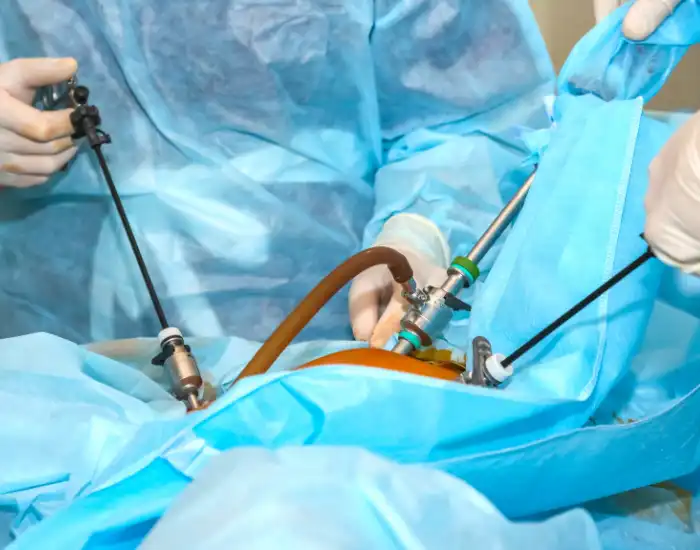
Most gallbladders are removed laparoscopically, through several small incisions using a camera and long, thin instruments. The main approaches are:
- Laparoscopic: the standard for most patients. The NIDDK notes that almost all surgeons use this approach.
- Robotic: another minimally invasive option used in selected cases. See robotic gallbladder surgery.
- Open: one larger incision in the upper right abdomen, used when severe inflammation, infection, scarring or other factors make minimally invasive surgery unsafe.
Sometimes a surgeon starts laparoscopically and switches to an open operation partway through. That is a safety decision, not a failure. MedlinePlus lists reasons such as unexpected bleeding, severe gallbladder inflammation, pancreatitis, previous surgery in the same area, obesity and severe liver problems.
What Is Recovery Like After Gallbladder Removal?
Recovery after laparoscopic removal is usually quick. The operation is done under general anesthesia, and most patients go home the same day or the next day. Most people recover in about one to two weeks.
Open surgery takes longer. Patients may need to stay in the hospital for two or more days, and the NIDDK notes that returning to normal activity typically takes about a month. Your surgeon will explain driving, lifting and work limits for your situation. Read more about gallbladder removal recovery.
When Is Gallbladder Pain an Emergency?
Gallbladder pain is an emergency when it comes with signs of infection, a blocked bile duct or pancreatitis. Go to the nearest emergency room or call 911 for:
- Severe abdominal pain, or upper right abdominal pain lasting several hours
- Fever or chills with abdominal pain
- Yellowing of the skin or whites of the eyes
- Tea-colored urine or light-colored stools
- Nausea and vomiting with abdominal pain
These signs can mean acute cholecystitis, a stone stuck in the bile duct or pancreatitis, which need prompt treatment. Learn the symptoms of acute cholecystitis.
What Should I Look for in a Gallbladder Surgeon?
Look for a board-certified general surgeon who removes gallbladders regularly and explains the reasoning behind the recommendation. Practical checks include:
- Board certification in general surgery by the American Board of Surgery
- Regular experience with laparoscopic and, where relevant, robotic cholecystectomy
- A clear explanation of why surgery is recommended and what the alternatives are
- Convenient follow-up and a team that helps with insurance authorization
For more on this, read what to look for in a gallbladder surgeon.
Where Can Patients in Katy, Sugar Land and Houston See a Gallbladder Surgeon?
Board-certified general surgeon Dr. Murtaza Shakir performs laparoscopic and robotic gallbladder removal for patients in Katy, Sugar Land and Greater Houston. Many patients are referred after an ER visit or an ultrasound ordered by their primary care doctor.
- Bring your ultrasound or CT report and any ER or hospital records
- Note when your attacks happen, how long they last and what triggers them
- Check whether your insurance plan requires a referral
See the Katy and Sugar Land office pages, call (713) 955-9191 or request a consultation.
Questions to Ask Your Surgeon About Gallbladder Removal
- Do my symptoms and imaging clearly point to my gallbladder?
- Do I need surgery now, or is it safe to wait?
- Will you use a laparoscopic, robotic or open approach, and why?
- What would make you switch to an open operation during surgery?
- Do I need ERCP or other testing before or after surgery?
- How long will I be off work, and what activity limits apply?
Frequently Asked Questions
Does a gastroenterologist remove the gallbladder?
No. Gastroenterologists diagnose digestive problems and can remove stones from the bile duct with ERCP, but gallbladder removal is performed by a surgeon.
Do I need a referral to see a general surgeon about my gallbladder?
Not always. Some insurance plans require one, so check your plan. Many patients are referred by their primary care doctor or the ER.
What is the medical name for gallbladder removal?
Cholecystectomy. Laparoscopic cholecystectomy means removal through small incisions with a camera.
Is gallbladder removal a major operation?
It is a common operation performed under general anesthesia. Laparoscopic removal usually allows same-day or next-day discharge and a recovery of about one to two weeks for most people.
Can one surgeon also fix a hernia I have?
Often, yes. Hernia repair and gallbladder removal are both general surgery operations. Read whether one surgeon can treat both.
Key Takeaway
Gallbladder removal is performed by a general surgeon, usually laparoscopically. Other specialists help with diagnosis and related problems such as bile duct stones, but the operation itself is the general surgeon’s role. Fever, yellowing of the skin or severe pain needs emergency care.
Sources and Further Reading
- Laparoscopic Cholecystectomy, StatPearls (NCBI Bookshelf)
- Treatment for Gallstones, National Institute of Diabetes and Digestive and Kidney Diseases (NIDDK)
- Open Gallbladder Removal, MedlinePlus Medical Encyclopedia
- Symptoms & Causes of Gallstones, National Institute of Diabetes and Digestive and Kidney Diseases (NIDDK)
This article is general education, not personal medical advice. For severe abdominal pain, fever with abdominal pain, heavy bleeding, or yellowing of the skin or eyes, seek emergency care.

Meet the Surgeon
Dr. Murtaza Shakir is a board-certified General Surgeon and is board certified in Complex General Surgical Oncology. He earned his medical degree at Aga Khan University, completed General Surgery residency at Riverside Methodist Hospital in Columbus, Ohio, and a two-year Surgical Oncology fellowship at the University of Pittsburgh Medical Center. He sees patients at Surgical Associates of Southern Texas in Katy and Sugar Land.
Related Reading and Care
Schedule a Gallbladder Evaluation
Meet Dr. Shakir in Katy or Sugar Land to discuss whether gallbladder removal is right for you.
This page provides general information and is not a substitute for medical advice. For severe abdominal pain or other emergencies, call 911 or go to the nearest emergency room. Last updated October 16, 2026.