 EN
 ES
 UR
 HI

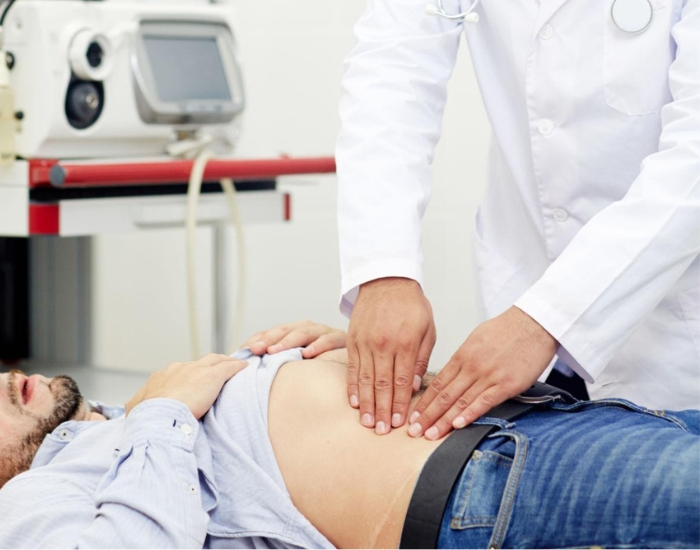
Upper stomach pain that keeps coming back?
Get it evaluated by board-certified general surgeon Dr. Murtaza Shakir in Katy or Sugar Land. Call (713) 955-9191, or send your details and our team will call you back.
THE SHORT ANSWER
Upper stomach pain most often comes from indigestion, acid reflux or gastritis, but persistent, severe or recurring pain can signal peptic ulcers, gallstones, pancreatitis or liver problems that need prompt evaluation. The type of pain, its timing with meals and the symptoms that come with it guide which tests are needed. Sudden severe pain, vomiting blood, black stools, jaundice or chest pressure need emergency care.
What Is Upper Stomach Pain, and Which Organs Can Cause It?
Upper stomach pain is discomfort between the lower chest and the belly button, either in the center below the breastbone or shifting to the right or left under the ribs. It may last minutes, hours or days, and it can feel like a dull ache, sharp stabbing, burning, pressure or cramping.
Several organs share this area, which is why location alone rarely settles the cause:
- Center: much of the stomach and part of the pancreas
- Right side: the liver and gallbladder
- Left side: the spleen
- Throughout: parts of the small intestine and colon, major blood vessels and the abdominal muscles
Pain also travels: gallbladder disease can first be felt in the middle rather than on the right, and ulcers can spread pain to the back or chest. Unlike a muscle strain, digestive pain often changes with eating, fasting or lying down. Two people with nearly identical symptoms can have simple indigestion or gallstones, so persistent pain deserves evaluation rather than self-diagnosis.
What Can Different Types of Upper Stomach Pain Mean?
The character of the pain gives useful clues, although symptoms alone cannot make a diagnosis.
- Burning pain: burning beneath the breastbone is common with acid reflux, gastritis and peptic ulcers. It often worsens after spicy foods, coffee, alcohol or lying flat after eating, and may ease briefly with antacids.
- Sharp or stabbing pain: sudden sharp pain can come from gallstones, gallbladder inflammation, ulcers or, less commonly, pancreatitis, and often follows meals, especially fatty ones.
- Dull aching pain: a persistent ache can accompany gastritis, functional dyspepsia or chronic inflammation. It is less dramatic but should not be overlooked if it lasts.
- Cramping or tightness: often from gas, indigestion, food intolerance or temporary irritation, and usually better after passing gas or a bowel movement. Persistent cramping needs evaluation; see upper abdominal cramping.
- Pain that radiates: pain spreading to the back, right shoulder or chest may involve the gallbladder, pancreas or even the heart.
Because some heart problems mimic digestive pain, upper abdominal discomfort with chest pressure, shortness of breath, dizziness or sweating should be treated as an emergency until proven otherwise.
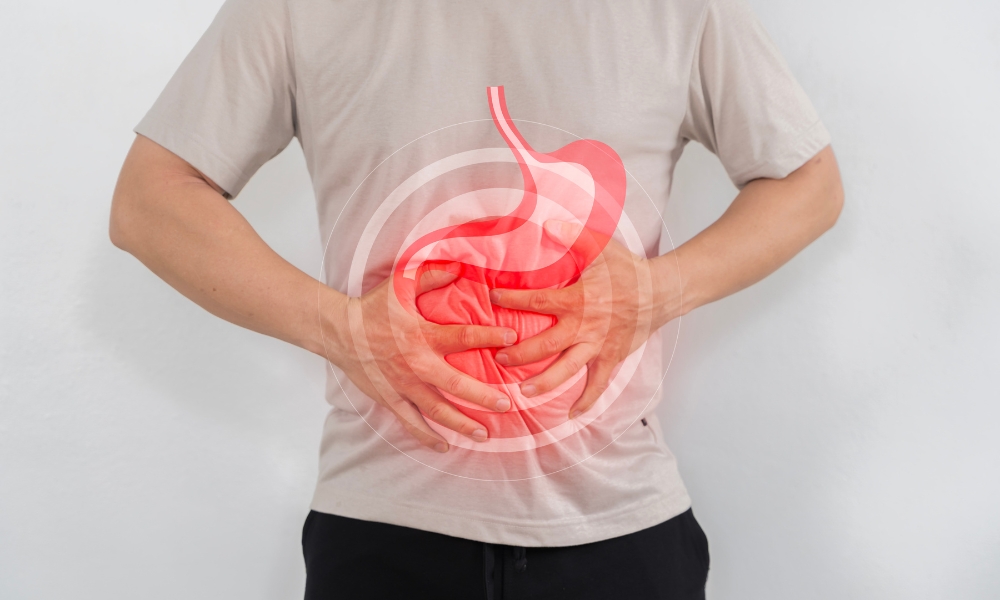
What Are the Most Common Causes of Upper Stomach Pain?
The most common causes are digestive irritation problems that usually respond to medicine and lifestyle changes:
- Indigestion (dyspepsia): a group of symptoms after eating, such as fullness after a few bites, bloating, mild nausea or pressure under the breastbone. Triggers include eating quickly, large or greasy meals, excess caffeine or alcohol, and stress. Symptoms lasting several weeks need evaluation.
- Gastritis: inflammation of the stomach lining from Helicobacter pylori infection, frequent NSAID use, heavy alcohol use, smoking, autoimmune conditions or the stress of serious illness. It causes burning pain, nausea, early fullness and bloating, often worse on an empty stomach.
- Acid reflux and GERD: stomach contents flow back into the esophagus, causing heartburn and sometimes upper stomach pain, cough, hoarseness, throat irritation or a sour taste. It is often worse after large meals, bending or lying down. Untreated GERD can damage the esophagus; see stomach acid backing up into the esophagus.
- Liver conditions: hepatitis, fatty liver disease, liver congestion and some infections can cause discomfort under the right ribs or upper middle abdomen, with fatigue, nausea, poor appetite, dark urine, pale stools or yellow skin and eyes.
- Gas, bloating and functional disorders: trapped gas can cause surprisingly intense pressure. Functional dyspepsia and irritable bowel syndrome (IBS) cause recurring pain without a structural problem on testing, and often flare with stress, certain foods, poor sleep or changes in routine.
- Food intolerances: dairy, gluten in people with celiac disease, artificial sweeteners, spicy foods, caffeine, alcohol and highly processed meals can trigger symptoms. A food diary can reveal patterns.
Upper stomach pain does not automatically mean something serious, but persistent, worsening or unusually severe pain should not be self-diagnosed.
Which Causes of Upper Stomach Pain Are More Serious?
Peptic ulcers, gallbladder disease and pancreatitis are the causes most likely to need urgent treatment, procedures or surgery.
Peptic ulcers
Peptic ulcers are open sores in the lining of the stomach or the duodenum, the first part of the small intestine. Most are caused by H. pylori infection or long-term use of NSAIDs such as ibuprofen or naproxen; smoking and heavy alcohol use add to the risk. The pain is burning, gnawing or aching between the belly button and breastbone, often on an empty stomach or at night; eating eases it for some people and worsens it for others. Bloating, nausea, early fullness or weight loss can occur. Black, tarry stools or coffee-ground vomit signal bleeding and need immediate care. Most ulcers heal with acid-reducing medicine and H. pylori treatment, and prompt treatment lowers the risk of bleeding or perforation.
Gallbladder disease
Gallbladder disease is a leading cause of recurring upper abdominal pain and a common reason for referral to a general surgeon. The gallbladder stores bile, which helps digest fat. When gallstones block bile flow or the gallbladder is inflamed, pain can start suddenly and become severe, often after fatty foods such as fried food, pizza, cheeseburgers or creamy sauces, and often in the evening or at night. It may begin in the center and spread under the right ribs, to the back or right shoulder. Unlike indigestion, it can last hours and does not ease with passing gas or changing position. Nausea, vomiting, bloating, fever or chills may follow. Read more about gallbladder pain after eating.
Pancreatitis
Pancreatitis is inflammation of the pancreas, which aids digestion and blood sugar control. Acute pancreatitis usually causes sudden, intense upper abdominal pain that often spreads to the back, with severe nausea, repeated vomiting, fever, a tender abdomen and a feeling of serious illness. Gallstones are the most common cause, and heavy alcohol use is another common cause; certain medicines, high triglycerides and infections can also contribute. Because pancreatitis can become life-threatening, severe upper abdominal pain with vomiting or fever needs emergency evaluation.

How Do Doctors Find the Cause of Upper Stomach Pain?
Doctors find the cause by combining your history, an abdominal exam and targeted tests. Accompanying symptoms help decide which tests come first:
| Symptom | Possible conditions |
|---|---|
| Burning pain | GERD, gastritis, peptic ulcer |
| Pain after fatty meals | Gallstones, gallbladder inflammation |
| Pain radiating to the back | Pancreatitis, gallbladder disease |
| Bloating and fullness | Indigestion, gastritis, food intolerance |
| Fever and chills | Gallbladder infection, pancreatitis, severe infection |
| Yellow skin or eyes | Blocked bile duct, liver disease |
| Black stools or vomiting blood | Bleeding ulcer (medical emergency) |
Expect questions about when the pain started, where it is, whether meals trigger it, how long episodes last and where it spreads, plus your medications, prior surgeries and family history. The exam checks for tenderness, swelling and guarding. Testing may include:
- Blood tests for infection, liver function, pancreatic enzymes and inflammation
- Ultrasound, one of the best first tests for gallstones and gallbladder inflammation
- CT scan or MRI when pancreatitis, intestinal disease or another complex problem is suspected
- Upper endoscopy for persistent heartburn, suspected ulcers, bleeding or chronic stomach pain, with biopsies if needed
- Stool tests or other studies depending on symptoms
Pain After Meals That Keeps Returning?
Recurring upper stomach pain, especially after fatty meals, can point to gallstones. Dr. Murtaza Shakir evaluates gallbladder and other abdominal problems in Katy and Sugar Land.
How Is Upper Stomach Pain Treated?
Treatment depends on the cause, which is why an accurate diagnosis comes first. Treating symptoms without finding the source can delay care and let some conditions worsen.
- Reflux, gastritis and ulcers: acid-reducing medicines, plus H. pylori treatment when present. Avoiding trigger foods, eating smaller meals, limiting alcohol, quitting smoking and keeping a healthy weight improve long-term control.
- Gallstones: when gallstones repeatedly cause pain or inflammation, minimally invasive laparoscopic gallbladder removal is often the most effective treatment. Most patients go home the same day, with smaller incisions, less discomfort and a faster recovery than open surgery. Removal also helps prevent infection and bile duct blockage.
- Serious conditions: pancreatitis, intestinal obstruction or complicated ulcers may need hospital care, IV fluids, antibiotics, endoscopic procedures or surgery, depending on severity.
When Is Upper Stomach Pain an Emergency?
Upper stomach pain is an emergency when it is sudden and severe, comes with chest symptoms, or comes with signs of bleeding, infection or blockage. Call 911 or go to the emergency room for:
- Sudden, severe upper abdominal pain that does not improve
- Pain with chest pressure, shortness of breath, dizziness, excessive sweating, or pain spreading to the jaw or arm
- Persistent vomiting or being unable to keep fluids down
- Vomiting blood or material that looks like coffee grounds
- Black, tarry stools or bright red blood in the stool
- Yellowing of the skin or eyes (jaundice)
- High fever, chills or other signs of infection
- Severe pain spreading to the back or right shoulder
- A swollen abdomen with intense pain, or severe tenderness when the belly is touched
These can signal pancreatitis, a bleeding ulcer, gallbladder infection, a blocked bile duct or a heart problem. Short of an emergency, pain that interrupts your routine, wakes you at night, returns after meals or lasts more than a few days deserves an appointment.
Can Upper Stomach Pain Be Prevented?
Not every cause can be prevented, but steady healthy habits make many digestive problems less likely:
- Eat balanced meals at regular times, avoid large late-night meals and chew slowly
- Limit highly processed foods, excess alcohol and foods that consistently trigger symptoms
- Maintain a healthy weight, which lowers reflux risk and may reduce the chance of gallstones
- Stay active and well hydrated
- If you use ibuprofen or naproxen often, ask your provider about safer options, especially with a history of ulcers or gastritis
- Manage stress with sleep, exercise and healthy coping strategies
Stress alone does not directly cause ulcers, but it can worsen indigestion, functional dyspepsia, IBS and reflux.
Where Can Patients in Katy, Sugar Land and Houston Get Upper Stomach Pain Evaluated?
Patients whose upper stomach pain keeps returning, worsens or interferes with daily life can be evaluated at the Katy or Sugar Land office of Surgical Associates of Southern Texas. The practice evaluates a wide range of abdominal conditions, including gallstones, gallbladder inflammation, hernias, soft tissue conditions and other surgical problems of the digestive system. Learn more about general surgery and gallbladder surgery.
Dr. Shakir uses minimally invasive techniques whenever appropriate to reduce discomfort and scarring and speed recovery. If testing shows surgery is not needed, patients are guided to the right medical specialist. Bring a list of your medications, including over-the-counter pain relievers, and any ultrasound, CT or lab results. Call (713) 955-9191 to request an appointment.
Questions to Ask Your Doctor About Upper Stomach Pain
- Which organ do you think is causing my pain, and why?
- Which tests do I need first: blood work, ultrasound, CT or endoscopy?
- Could this be my gallbladder, and would removing it help?
- Should I be tested for H. pylori?
- Could any of my medications, such as NSAIDs, be contributing?
- Which symptoms should send me to the emergency room?
- If surgery is not needed, which specialist should I see next?
Frequently Asked Questions
Why does my upper stomach hurt after eating?
Pain after eating can come from indigestion, acid reflux, gastritis, ulcers or gallbladder disease. Fatty meals commonly trigger gallbladder pain, while spicy or acidic foods may worsen reflux or gastritis. See pain after eating in the upper abdomen.
Can stress cause upper stomach pain?
Yes. Stress can contribute to indigestion, functional dyspepsia, irritable bowel syndrome and acid reflux. Persistent or severe pain should still be evaluated to rule out other conditions.
How do I know if my upper stomach pain is from my gallbladder?
Gallbladder pain often starts after fatty meals, sits under the right ribs or in the upper middle abdomen, can last several hours and may spread to the right shoulder or back with nausea or vomiting. An ultrasound is the usual first test.
Can upper stomach pain be related to heart problems?
Yes. A heart attack can feel like upper abdominal pain, indigestion or pressure under the breastbone. Seek emergency care if stomach pain comes with chest pressure, shortness of breath, sweating, dizziness or pain in the jaw or arm.
Should I go to the emergency room for upper stomach pain?
Yes if the pain is sudden or severe, or comes with fever, vomiting blood, black stools, jaundice, chest pain, trouble breathing or persistent vomiting. Milder pain that lasts several days or keeps returning should be checked by your healthcare provider.
What tests are usually done for upper stomach pain?
Depending on your symptoms, blood tests, abdominal ultrasound, CT scan, MRI, upper endoscopy, stool tests or other imaging may be used to find the cause.
Key Takeaway
Upper stomach pain has many causes, from indigestion, reflux and gastritis to ulcers, gallstones and pancreatitis. Where the pain is, when it starts and what comes with it guide testing, but pain that persists, returns or is severe needs a proper evaluation. Sudden severe pain, vomiting blood, black stools, jaundice or chest pressure needs emergency care.
Sources and Further Reading
- Abdominal pain: When to see a doctor, Mayo Clinic
- Symptoms & Causes of Gallstones, National Institute of Diabetes and Digestive and Kidney Diseases (NIDDK)
- Symptoms & Causes of Peptic Ulcers (Stomach Ulcers), National Institute of Diabetes and Digestive and Kidney Diseases (NIDDK)
- Symptoms & Causes of Pancreatitis, National Institute of Diabetes and Digestive and Kidney Diseases (NIDDK)
This article is general education, not personal medical advice. For severe abdominal pain, fever with abdominal pain, heavy bleeding, or yellowing of the skin or eyes, seek emergency care.

Meet the Surgeon
Dr. Murtaza Shakir is a board-certified General Surgeon and is board certified in Complex General Surgical Oncology. He earned his medical degree at Aga Khan University, completed General Surgery residency at Riverside Methodist Hospital in Columbus, Ohio, and a two-year Surgical Oncology fellowship at the University of Pittsburgh Medical Center. He sees patients at Surgical Associates of Southern Texas in Katy and Sugar Land.
Related Reading and Care
Schedule an Abdominal Pain Evaluation
Find the source of recurring upper stomach pain at our Katy or Sugar Land office.
This page provides general information and is not a substitute for medical advice. For severe abdominal pain or other emergencies, call 911 or go to the nearest emergency room. Last updated October 16, 2026.