
Gallbladder Surgery • Katy & Sugar Land
Gallbladder Surgeon in Katy & Sugar Land, TX
Advanced Laparoscopic & Robotic Gallbladder Surgery
Recurring pain in the upper right abdomen, nausea after meals, gallstones, or repeated gallbladder attacks can interfere with daily life and may sometimes lead to more serious complications.
At Surgical Associates of Southern Texas, Dr. Murtaza Shakir provides surgical evaluation and treatment for gallbladder disease for patients in Katy, Sugar Land, and Greater Houston.
Dr. Shakir is board certified in General Surgery and Complex General Surgical Oncology and performs minimally invasive gallbladder surgery using laparoscopic and robotic techniques when appropriate.
Whether you have recently been diagnosed with gallstones or have experienced repeated episodes of abdominal pain, the first step is determining whether your symptoms are actually coming from the gallbladder and whether surgery is the appropriate treatment.
Board-Certified
General Surgeon and Surgical Oncologist
⭐ Rated 5 Stars
by Patients on Google
2 Convenient Locations
Katy & Sugar Land, TX
Minimally Invasive Surgical Care
Laparoscopic & Robotic — Request a Consultation
When Should You See a Gallbladder Surgeon?
See a gallbladder surgeon when gallstones cause repeated pain, after a gallbladder-related ER visit, after cholecystitis or gallstone pancreatitis, or when your doctor refers you. A consultation clarifies whether removal is needed now, later or not at all.
Gallstones Found on Ultrasound: What Happens Next?
If the gallstones match your symptoms, the next step is a surgical consultation; if they were found by chance and you feel fine, monitoring is usually enough. Bring the ultrasound report to your visit.
Gallbladder Pain After an ER Visit
If the ER treated a gallbladder attack and sent you home, schedule a surgical follow-up rather than waiting for the next episode. Return to the ER for fever, yellow skin or eyes, or pain lasting several hours.
Which Gallbladder Surgery Approach May Be Used?
Most patients have laparoscopic gallbladder removal; robotic surgery is used in selected cases, and open surgery is reserved for situations where minimally invasive surgery is not safe.
Find gallbladder care near you: Katy gallbladder surgeon · Sugar Land gallbladder surgeon · Houston-area patients

Your Surgeon
Meet Your Gallbladder Surgeon
Murtaza Shakir, MD
Gallbladder surgery at Surgical Associates of Southern Texas is performed by Dr. Murtaza Shakir, a board-certified General Surgeon and Complex General Surgical Oncologist serving Katy, Sugar Land, and Greater Houston.
Dr. Shakir earned his medical degree from Aga Khan University. He completed his General Surgery residency at Riverside Methodist Hospital in Columbus, Ohio, followed by a two-year Surgical Oncology fellowship at the University of Pittsburgh Medical Center.
Board certified by the American Board of Surgery in:
- General Surgery
- Complex General Surgical Oncology
His surgical practice includes:
- Gallbladder surgery
- Hernia repair
- Laparoscopic surgery
- Robotic surgery
- Complex abdominal surgery
- Colon and rectal cancer surgery
- Liver surgery
- Pancreatic surgery
Dr. Shakir has also been recognized by Houstonia among leading general surgeons in the Houston area.
Patient Reviews
What Patients Say About Dr. Shakir
⭐⭐⭐⭐⭐ Rated 5 Stars by Patients on Google. Real experiences from patients treated in Katy and Sugar Land.

Lydia Dennis
Sugar Land · Robotic Gallbladder Removal
My gastroenterologist referred me to Dr Shakir as an option for my gallbladder removal, and I’m so glad he did. From the initial consultation to today’s post-op appointment with Dr Shakir and his staff, everything went very smoothly. He did the robotic laparoscopic removal and the incisions look amazing. Dr Shakir is knowledgeable, efficient, and professional. I hope I don’t need a general surgeon in the future, but if I do, I’d 100% book another surgery with him.
Rick Rogers
Google Review · Gallbladder Surgery
I had severe pain and was in the ER 5 times in 2 months with no definitive diagnosis. Dr. Shakir looked at my various test results and realized my gall bladder needed to come out. Once he removed it I felt so much better. He listens to you and discusses the options. Great Dr. and surgeon. I HIGHLY RECOMMEND.
sayCol
Google Review · Local Guide
Dr. Shakir and all his staff have been so great. He is very kind and knowledgeable. I was able to find an appointment pretty soon as well as a surgery date. I felt safe and informed all the way through and my recovery has been great. Thank you everyone!!
Lisa Hadley
Google Review · Local Guide
Dr. Shakir is a wonderful surgeon who patiently listens to you and answers your questions. His office staff is equally warm and caring. Should I ever need care of this type, I will contact his office again without hesitation.
See what more patients are saying about their experience with Dr. Shakir.
Many Major Insurance Plans Accepted
We accept patients with many major insurance plans, including participating Aetna, Cigna, UnitedHealthcare and Blue Cross Blue Shield plans.
AetnaCignaUnitedHealthcareBlue Cross Blue ShieldOther Insurance Plans Accepted
Understanding Gallbladder Symptoms
Do You Need a Gallbladder Surgeon?
Not everyone with gallstones needs surgery. However, evaluation by a gallbladder surgeon may be appropriate when gallstones or gallbladder disease begin causing recurring symptoms or complications.
The decision to remove the gallbladder should be based on symptoms, medical history, examination, imaging, laboratory findings, and overall health—not simply the presence of gallstones. Read more about gallstones and when they need treatment.
Patients commonly seek surgical evaluation for:
- Repeated upper right abdominal pain
- Pain after eating, particularly fatty or heavy meals
- Gallstones found on ultrasound
- Recurrent gallbladder attacks
- Acute or chronic cholecystitis
- Nausea or vomiting associated with abdominal pain
- Gallstones affecting the common bile duct
- Gallstone-related pancreatitis
- Certain gallbladder polyps
- Previous emergency visits for gallbladder pain
Recognizing the Signs
What Does Gallbladder Pain Feel Like?
Gallbladder pain commonly occurs in the upper right portion of the abdomen underneath the ribs. Some patients instead feel pain in the upper middle abdomen. Learn why gallbladder pain often follows meals and how it can radiate to the back or shoulder.
Upper right abdominal pain
Pain after eating
Pain after fatty foods
Pain lasting from several minutes to several hours
Pain extending into the back or right shoulder
Nausea
Vomiting
Bloating
Indigestion
Abdominal tenderness
Gallbladder symptoms can resemble acid reflux, stomach disorders, liver conditions, pancreatic problems, and other abdominal conditions. Proper evaluation is important before deciding that surgery is necessary.
When Gallbladder Symptoms Need Prompt Medical Attention
Seek prompt medical care when severe or persistent abdominal pain is accompanied by:
- Fever or chills
- Persistent vomiting
- Yellowing of the skin or eyes
- Dark urine
- Pale or clay-colored stools
- Increasing abdominal tenderness
- Severe or worsening pain
These symptoms can sometimes occur with gallbladder inflammation, infection, bile duct obstruction, pancreatitis, or another condition requiring timely evaluation.
For a medical emergency, call 911 or go to the nearest emergency department.
A Careful Surgical Evaluation
How Dr. Shakir Determines Whether Gallbladder Removal Is Necessary
Gallbladder surgery should not be recommended simply because gallstones are visible on an imaging test. The more important question is whether the gallbladder or gallstones are responsible for the patient's symptoms or creating a meaningful risk of complications.
Dr. Shakir evaluates each patient individually before recommending gallbladder removal.
01
Symptoms and Pain Pattern
The location, duration, timing, and pattern of abdominal pain provide important clues. Evaluation may include:
- Where the pain begins
- Whether pain occurs after meals
- How long attacks last
- Whether pain travels to the back or shoulder
- Whether attacks are becoming more frequent
- Whether nausea or vomiting occurs
- Previous emergency or urgent-care visits
02
Previous Gallbladder Attacks
Repeated episodes of typical gallbladder pain can be important when deciding whether surgery is appropriate.
Someone with recurring attacks may require a different treatment plan from a person whose gallstones were discovered incidentally and have never caused symptoms.
03
Abdominal Ultrasound
Ultrasound is commonly used to evaluate the gallbladder and may identify:
- Gallstones
- Gallbladder wall changes
- Gallbladder inflammation
- Bile duct enlargement
- Other gallbladder abnormalities
04
Blood Testing
Depending on the situation, blood testing may help evaluate:
- Liver enzymes
- Bilirubin
- Signs of infection or inflammation
- Pancreatic enzymes
- Other abnormalities related to abdominal symptoms
05
HIDA Scan When Appropriate
In selected situations, a HIDA scan may be considered when symptoms suggest gallbladder dysfunction but the diagnosis remains uncertain.
Not every patient requires a HIDA scan.
06
Common Bile Duct Evaluation
Gallstones can occasionally move into the common bile duct and interfere with normal bile flow.
Additional evaluation or treatment may be necessary before or around the time of gallbladder surgery.
07
History of Gallstone Pancreatitis
Gallstones can sometimes obstruct drainage near the pancreas and contribute to pancreatitis.
A previous episode of gallstone-related pancreatitis is an important part of surgical decision-making.
08
Overall Health and Surgical History
Dr. Shakir also considers:
- Medical conditions
- Previous abdominal surgery
- Current medications
- Surgical history
- Imaging results
- Anesthesia considerations
- Overall health
The goal is to recommend surgery when the expected benefits outweigh the risks and to select the safest surgical approach for each patient.
Conditions
Gallbladder Conditions We Treat
From gallstones to complex biliary disease, Dr. Shakir evaluates and treats the full range of gallbladder conditions. Not sure what the gallbladder does? Start with this overview or review the early warning signs of gallbladder disease.
Gallstones
Gallstones are hardened deposits that form inside the gallbladder. Some people have gallstones without symptoms, while others develop recurring pain when stones interfere with normal gallbladder drainage.
Symptomatic Cholelithiasis
Symptomatic cholelithiasis refers to gallstones that cause symptoms such as recurring upper abdominal pain, often after eating, along with nausea or digestive discomfort.
Acute Cholecystitis
Acute cholecystitis is sudden inflammation of the gallbladder, commonly related to blockage caused by gallstones. Patients may experience persistent right upper abdominal pain, fever, nausea, vomiting, and tenderness.
Chronic Cholecystitis
Repeated episodes of gallbladder inflammation can lead to chronic gallbladder disease, recurrent pain, food-related symptoms, nausea, and ongoing abdominal discomfort.
Choledocholithiasis
Choledocholithiasis occurs when a gallstone enters the common bile duct. These stones can interfere with bile drainage and may cause jaundice, infection, or pancreatitis.
Gallstone Pancreatitis
Gallstones can sometimes obstruct drainage near the pancreas and trigger pancreatitis. After the acute problem is treated, gallbladder surgery may be considered to reduce the risk of another episode.
Gallbladder Polyps
Many gallbladder polyps are small and benign. Certain polyps may require surveillance or surgical evaluation depending on their size, appearance, growth, symptoms, and individual risk factors.
Gallbladder Cancer
Gallbladder cancer is uncommon and requires specialized surgical planning. Dr. Shakir's board certification in Complex General Surgical Oncology provides additional expertise when evaluating concerning gallbladder findings.
Experiencing Recurring Gallbladder Pain?
If you have gallstones, repeated gallbladder attacks, or upper abdominal pain after meals, a surgical consultation can help determine whether gallbladder removal may be appropriate.

Treatment
Gallbladder Removal Surgery
Gallbladder removal is medically known as a cholecystectomy. During surgery, the gallbladder is removed so that stones and diseased gallbladder tissue can no longer cause recurring attacks.
The liver continues producing bile after gallbladder removal. Instead of being stored in the gallbladder, bile flows directly into the digestive tract. Most people are able to live and eat normally without a gallbladder. Curious about how long gallbladder surgery takes?
Laparoscopic Gallbladder Surgery
Laparoscopic cholecystectomy is a minimally invasive technique in which the gallbladder is removed through several small abdominal incisions.
When appropriate, potential advantages may include:
- Smaller incisions
- Less postoperative discomfort
- Reduced scarring
- Shorter recovery
- Earlier return to normal activities
Robotic Gallbladder Surgery
Dr. Shakir also performs robotic gallbladder surgery when clinically appropriate. Robotic surgery provides enhanced visualization and precise instrument control while maintaining a minimally invasive approach.
Robotic surgery is not automatically the best option for every patient. The appropriate approach depends on:
- Gallbladder inflammation
- Previous surgery
- Anatomy
- Complexity
- Overall health
- Surgeon assessment
Open Gallbladder Surgery
Although many gallbladder operations can be performed using minimally invasive techniques, open surgery may occasionally be necessary in complex situations.
The goal is not simply to make the smallest incision. The priority is to perform the operation safely.
Preparing for Surgery
Before Surgery & Surgery Day
What to Expect Before Gallbladder Surgery
Preparation varies based on each patient's medical history and surgical plan. It may include:
- Surgical consultation
- Review of ultrasound or imaging
- Review of laboratory results
- Medical history and physical examination
- Medication review
- Preoperative testing when necessary
- Anesthesia evaluation
- Instructions regarding food, drink, and medications
Patients should inform the surgical team about all prescription medications, over-the-counter medications, supplements, and blood thinners. See our pre-operative care guidance.
What Happens on the Day of Surgery?
For many minimally invasive gallbladder procedures:
- You arrive at the surgical facility and complete preoperative preparation.
- Anesthesia is administered.
- Dr. Shakir performs the gallbladder removal using the planned surgical technique.
- You are monitored in the recovery area.
- Many patients undergoing uncomplicated minimally invasive surgery return home the same day.
More complex cases may require additional observation or hospitalization.
After Surgery
Gallbladder Surgery Recovery
Recovery varies from patient to patient. Your recovery may depend on:
- Surgical technique
- Severity of inflammation
- Other medical conditions
- Whether complications were present
- Type of work
- Individual healing response
Read more about week-by-week gallbladder removal recovery guide and our general post-operative care instructions.
Patients receive individualized instructions regarding:
Incision care
Showering
Activity
Lifting
Driving
Return to work
Diet
Medications
Follow-up visits
Living Without a Gallbladder
Life After Gallbladder Removal
Can You Live Normally Without a Gallbladder?
Yes. The gallbladder stores bile but does not produce it.
After gallbladder removal, the liver continues producing bile, which flows directly into the small intestine. Most patients return to their normal lifestyle and diet following recovery.
Persistent digestive symptoms should be discussed with a healthcare provider. For meal ideas, see foods to eat after gallbladder removal.
What Can I Eat After Gallbladder Removal?
During early recovery, some patients find it easier to eat:
- Smaller meals
- Lower-fat foods
- Easily digestible meals
- Gradually increasing fiber
Temporary digestive changes can include:
- Loose stools
- Bloating
- Increased bowel frequency
- Sensitivity to very fatty meals
Need a Gallbladder Evaluation?
If you have recurring upper-right abdominal pain, gallstones found on imaging, a recent ER visit, or a referral for gallbladder surgery, request a consultation with Dr. Murtaza Shakir.
- Katy Office: 410 W Grand Pkwy S, Suite 4D · Katy gallbladder care
- Sugar Land Office: 17510 W Grand Pkwy S, Suite 320 · Sugar Land gallbladder care
- Insurance Verification: many major plans accepted · check your plan
Request a Gallbladder Consultation
Share your contact details and our team will call you to schedule. Please do not include medical details here.
Why Patients Choose Us
Why Choose Surgical Associates of Southern Texas for Gallbladder Surgery?
Board-Certified Surgical Expertise
Dr. Murtaza Shakir is board certified in both General Surgery and Complex General Surgical Oncology.
Minimally Invasive Surgical Options
When appropriate, gallbladder surgery may be performed using laparoscopic or robotic techniques.
Individualized Surgical Planning
Gallstones alone do not automatically mean surgery is necessary. Treatment recommendations are based on symptoms, testing, history, and overall clinical findings.
Routine and Complex Abdominal Surgery Experience
Dr. Shakir's practice includes common general surgical procedures as well as complex abdominal surgery.
Clear Patient Communication
Patients receive clear explanations about their diagnosis, treatment options, surgical approach, recovery, and follow-up.
Katy & Sugar Land Locations
Patients can receive gallbladder surgery consultations at convenient locations in Katy and Sugar Land.
Insurance & Your Surgical Care
Looking for a Gallbladder Surgeon Who Accepts Your Insurance?
Surgical Associates of Southern Texas accepts patients with many major insurance plans for gallbladder evaluation and surgical care. Patients with participating Aetna, Cigna, UnitedHealthcare, Blue Cross Blue Shield and other insurance plans can contact our office to verify their specific plan before scheduling a consultation.
Dr. Murtaza Shakir is a board-certified general surgeon who evaluates patients with gallstones, recurring gallbladder attacks, gallbladder inflammation and other conditions that may require surgical treatment. When gallbladder removal is appropriate, laparoscopic or robotic techniques may be considered depending on the patient’s condition and surgical needs. See our insurance information for surgical patients for more detail.
Insurance participation and surgical benefits vary by individual plan. Verification does not guarantee payment or coverage.
Where Can I Find a Gallbladder Surgeon Near Me Who Accepts My Insurance?
If you live in or near Katy, Sugar Land, Richmond, Fulshear, Stafford, Missouri City or West Houston and have a participating Aetna, Cigna, UnitedHealthcare or Blue Cross Blue Shield plan, you can contact Surgical Associates of Southern Texas to verify your plan and schedule a gallbladder evaluation with Dr. Murtaza Shakir. Patients are seen at our Katy office on West Grand Parkway South or our Sugar Land office on West Grand Parkway; patients from Cypress are welcome at either location.
Does Insurance Cover Laparoscopic or Robotic Gallbladder Removal?
Coverage for gallbladder removal, whether laparoscopic or robotic, depends on your individual plan, network participation, medical necessity, deductible and any authorization requirements. The surgical approach is chosen for medical reasons after your evaluation, and benefits are confirmed separately with your insurer. Our staff can help you identify what to ask before surgery.
AETNA
Have Aetna and Need Gallbladder Care?
If you have a participating Aetna plan and have been diagnosed with gallstones or are experiencing recurring gallbladder symptoms, contact our office to verify your insurance and schedule a surgical evaluation.
CIGNA
Looking for a Gallbladder Surgeon Who Accepts Cigna?
Patients with participating Cigna plans who need evaluation for gallstones, recurring gallbladder attacks or possible gallbladder surgery can contact our Katy or Sugar Land offices for insurance verification and appointment information.
UNITEDHEALTHCARE
Have UnitedHealthcare and Need Gallbladder Evaluation?
Patients with participating UnitedHealthcare or UHC plans can contact Surgical Associates of Southern Texas for insurance verification before scheduling a gallbladder surgical consultation.
BLUE CROSS BLUE SHIELD
Need Gallbladder Care With a BCBS Plan?
If you have a participating Blue Cross Blue Shield plan and need evaluation for gallstones or another gallbladder condition, contact our office to verify your insurance and schedule an appointment.
Have a Different Insurance Plan?
We accept patients with many major insurance plans beyond the four highlighted above. If you have another insurance plan, contact our office so our team can help you verify your plan before your gallbladder consultation.
Coverage varies by specific plan, and authorization requirements may apply. Please contact our office and your insurer to verify benefits before gallbladder surgery.
Locations
Two Convenient Fort Bend County Offices
Learn more about our Katy and Sugar Land practices, or view all locations.
Gallbladder Surgeon in Katy, TX
Surgical Associates of Southern Texas provides gallbladder consultations for patients in Katy and surrounding communities.
Katy Office
410 W Grand Pkwy S
Suite 4D
Katy, TX 77494
Serving patients from Katy, Fulshear, West Houston, Richmond, and surrounding communities.
Gallbladder Surgeon in Sugar Land, TX
Dr. Murtaza Shakir also provides gallbladder surgical consultations in Sugar Land.
Sugar Land Office
17510 W Grand Pkwy S
Suite 320
Sugar Land, TX 77479
Serving patients from Sugar Land, Richmond, Stafford, Missouri City, and surrounding Fort Bend County communities.
FAQ
Frequently Asked Questions About Gallbladder Surgery
What kind of doctor removes the gallbladder?
Gallbladder removal is usually performed by a general surgeon. A general surgeon can evaluate gallstones, gallbladder inflammation, recurrent attacks, and related conditions and determine whether surgery is appropriate.
When should I see a gallbladder surgeon?
A surgical evaluation may be appropriate if you have diagnosed gallstones with recurring upper abdominal pain, repeated gallbladder attacks, gallbladder inflammation, gallstone-related pancreatitis, or another condition for which surgery has been recommended.
Do all gallstones require surgery?
No. Gallstones that cause no symptoms may not require gallbladder removal. Surgery is more commonly considered when gallstones cause recurring symptoms or complications.
What does a gallbladder attack feel like?
A gallbladder attack often causes steady pain in the upper right or upper middle abdomen. Pain may occur after eating, extend into the back or right shoulder, and be accompanied by nausea or vomiting.
Why does gallbladder pain happen after eating?
Eating causes the gallbladder to contract and release bile. When gallstones interfere with normal drainage, this contraction can trigger pain, particularly after fatty meals.
How do doctors determine if gallbladder surgery is necessary?
The decision may involve your symptom pattern, examination, ultrasound results, blood testing, history of previous attacks, and additional testing when appropriate.
What is the medical name for gallbladder removal?
Gallbladder removal surgery is called a cholecystectomy.
Is gallbladder surgery usually laparoscopic?
Many gallbladder removal procedures are performed laparoscopically through small incisions. Robotic surgery is another minimally invasive option for selected patients.
What is robotic gallbladder surgery?
Robotic gallbladder surgery is a minimally invasive technique in which the surgeon controls robotic instruments while viewing the surgical area with enhanced visualization.
Can I go home the same day?
Many patients undergoing uncomplicated minimally invasive gallbladder removal are discharged the same day. Some patients may require additional observation.
How long is recovery after gallbladder removal?
Recovery varies by patient and surgical approach. Many patients return to light activity relatively quickly, while work, lifting, exercise, and unrestricted activity depend on individual recovery and surgeon recommendations.
Will I have digestive problems after gallbladder removal?
Most people digest food normally after recovery. Some patients experience temporary loose stools, bloating, or sensitivity to high-fat meals.
Can gallstones cause pancreatitis?
Yes. Gallstones can occasionally obstruct drainage near the pancreas and contribute to acute pancreatitis.
Do I need a HIDA scan before gallbladder surgery?
Not every patient needs a HIDA scan. Ultrasound is commonly used first, while additional testing may be considered when the diagnosis remains uncertain.
Where can I see a gallbladder surgeon in Katy?
Surgical Associates of Southern Texas provides gallbladder consultations at:
410 W Grand Pkwy S, Suite 4D
Katy, TX 77494
Call 713-955-9191.
Where can I see a gallbladder surgeon in Sugar Land?
Gallbladder consultations are available at:
17510 W Grand Pkwy S, Suite 320
Sugar Land, TX 77479
Call 713-955-9191.
Do you accept insurance for gallbladder consultations and surgery?
Surgical Associates of Southern Texas accepts many major insurance plans, including participating Aetna, Cigna, UnitedHealthcare and Blue Cross Blue Shield plans. Patients should verify their individual plan before treatment.
Can I see a gallbladder surgeon if I have Aetna, Cigna, UnitedHealthcare or BCBS?
Patients with participating plans from these insurers can contact our office to verify their insurance and schedule a gallbladder evaluation at the Katy or Sugar Land location.
Does insurance cover gallbladder removal?
Coverage for gallbladder removal depends on the patient’s individual health plan, network participation, medical necessity, deductibles and authorization requirements. Patients should verify benefits with their insurer before surgery.
Does insurance cover laparoscopic or robotic gallbladder surgery?
Coverage varies by insurance plan and clinical circumstances. Whether a laparoscopic or robotic technique is appropriate is a medical decision made after evaluation; insurance benefits should be confirmed separately.
What if my insurance company is not listed?
The practice accepts many other insurance plans. Contact the office to verify your specific insurance.
Explore Gallbladder Topics
Also Treated by Dr. Shakir
Gallbladder guides: The ER found gallstones. What next? • Biliary dyskinesia • What kind of surgeon removes a gallbladder?
Content reviewed for accuracy and last updated September 30, 2026. Information on this page is general and does not replace a consultation.
Schedule a Gallbladder Surgery Consultation
If you are experiencing recurring gallbladder pain, have been diagnosed with gallstones, or have been advised that you may need gallbladder removal, schedule a consultation with Dr. Murtaza Shakir.
A surgical consultation can help determine:
- Whether your symptoms are consistent with gallbladder disease
- Whether additional testing may be needed
- Whether gallbladder removal is appropriate
- Whether laparoscopic or robotic surgery may be suitable
- What to expect before and after surgery
Serving patients throughout: Katy • Sugar Land • Richmond • Fulshear • Stafford • Missouri City • West Houston • Greater Houston
Our Blogs
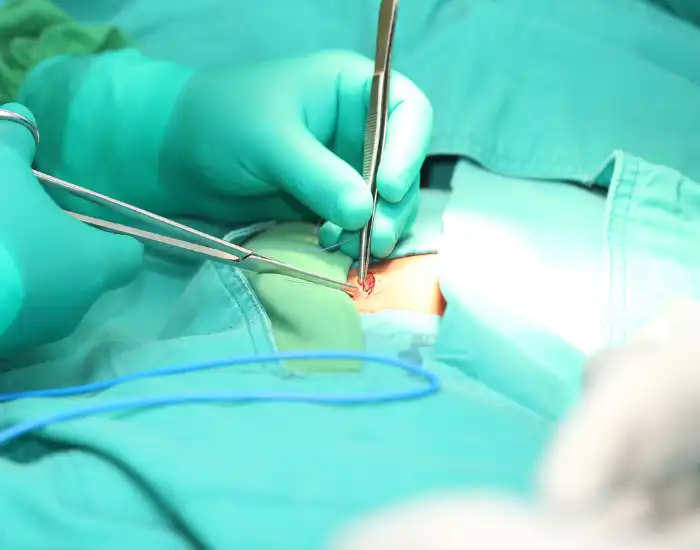
How Long Will I Be Off Work After Hernia Surgery?
How much time off work do you need after hernia surgery? Typical timelines for desk, standing and physical jobs, plus driving and paperwork tips.
Making the most of surgical outputs
Having one-on-one interaction with our experienced surgeon helps understand the disease process and surgical procedure well. Whether it is for general surgery or surgical oncology, we always do our best to ensure the best possible surgical outcomes for both local and overseas patients .
Accepting Patients From Greater Houston, Katy, Sugar Land, Richmond, Fulshear Areas.
Patients visiting from the greater Houston and other areas of Texas are requested to call us for a confirming appointment. Overseas patients request us to contact us in advance for a detailed consultation.
Read More
Comprehensive Wound Care with In-Clinic & Mobile Services Across Houston
We provide advanced, personalized treatment for all types of wounds, including diabetic ulcers, chronic wounds, and post-surgical injuries. Our services are available both in-clinic and through mobile visits across Greater Houston. Healing is now easier—wherever you are.
Learn More